
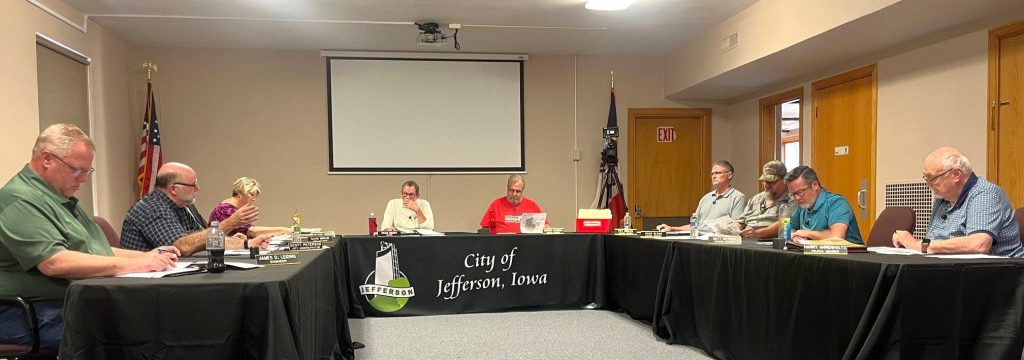
Jefferson City is evolving! Recent City Council decisions are paving teh way for vital community upgrades, from enhanced infrastructure to strategic economic development. Discover how these changes, and discussions around community centers, urban renewal, and more, will impact residents and shape the future of Jefferson City.
Table of Contents
- Jefferson City Council: Navigating Future Advancement and Community Needs
- Community Centers: Adapting to Evolving Needs
- Urban Renewal and Economic development: Strategic Growth and Investment
- Infrastructure and Public Works: Investing in the Future
- Housing and Facade Grants: Supporting Community Enhancement
- Sustainability and Community Collaboration: Recycling and Recreation
- Frequently Asked Questions
The Jefferson City Council’s recent meeting highlighted several key areas of focus, from community center concerns to infrastructure projects and economic development initiatives. Let’s delve into the potential future trends and implications of these decisions.
Community Centers: Adapting to Evolving Needs
The discussion surrounding the Greenewood Center underscores a critical trend: the need for community spaces to adapt to changing demographics and community needs. The concerns raised by residents and stakeholders, such as the importance of the kitchen and dining areas, highlight the vital role these centers play in providing essential services like congregate meals.
Pro Tip:
When planning community center renovations or expansions, always prioritize stakeholder input. Conduct surveys, hold town hall meetings, and actively involve residents in the decision-making process to ensure the center meets the community’s evolving needs.
Did you know?
Many cities are now incorporating multi-generational spaces into their community centers, offering programs and services for all age groups, from childcare to senior activities.
Urban Renewal and Economic development: Strategic Growth and Investment
The Council’s decisions regarding the urban Renewal Plan and associated public hearings point to a proactive approach to economic development.Expanding the Urban Renewal Area to include the former middle school and other properties allows for strategic investment through tax increment financing (TIF). This can stimulate revitalization projects and attract private investment.
Case Study:
Many cities have successfully revitalized blighted areas by leveraging TIF to fund infrastructure improvements,attract new businesses,and create jobs. For example, the redevelopment of a former industrial site into a mixed-use development can significantly boost the local economy.
Infrastructure and Public Works: Investing in the Future
The approval of the Wastewater Treatment Plant enhancement project and the fuel farm project at the airport demonstrates the city’s commitment to investing in essential infrastructure. These projects are crucial for supporting population growth, ensuring public health, and enhancing the city’s economic competitiveness.
Reader Question:
How can cities balance the need for infrastructure improvements with the financial burden on taxpayers?
One approach is to seek grants and partnerships with state and federal agencies. Another is to prioritize projects based on their long-term impact and return on investment.
Housing and Facade Grants: Supporting Community Enhancement
The approval of the downtown housing grant and the facade grant for the Greene County Ancient Society reflects a commitment to enhancing the city’s aesthetic appeal and supporting local businesses. These initiatives can attract new residents, boost tourism, and preserve the city’s historical character.
Data Point:
According to the national Trust for Historic Preservation, every dollar invested in historic preservation generates an average of $5 in economic activity.
Sustainability and Community Collaboration: Recycling and Recreation
The continuation of recycling agreements with neighboring cities and the completion of the pickleball court project highlight the importance of sustainability and community collaboration.These initiatives enhance the quality of life for residents and promote a sense of community.
Pro Tip:
Encourage community involvement in sustainability efforts by organizing volunteer clean-up days, promoting recycling programs, and educating residents about environmental best practices.
Frequently Asked Questions
What is tax increment financing (TIF)?
TIF is a tool used by local governments to fund public improvements in a designated area by capturing the increase in property tax revenue generated by new development.
What is a Blight District?
A Blight District is an area designated as blighted, often due to factors like deteriorated buildings, vacant properties, or inadequate infrastructure. This designation allows for the use of special funding mechanisms to encourage redevelopment.
What are 28E agreements?
28E agreements are intergovernmental agreements that allow cities to cooperate on services, such as recycling collection, to achieve economies of scale and improve efficiency.
How can I stay informed about city council decisions?
Attend city council meetings, review meeting minutes, and subscribe to the city’s newsletter or website updates.
The Jefferson City Council’s recent actions reflect a commitment to strategic planning,community engagement,and lasting development. By addressing community needs, investing in infrastructure, and fostering economic growth, the city is positioning itself for a vibrant and prosperous future.
What are your thoughts on these developments? Share your comments and insights below!
