
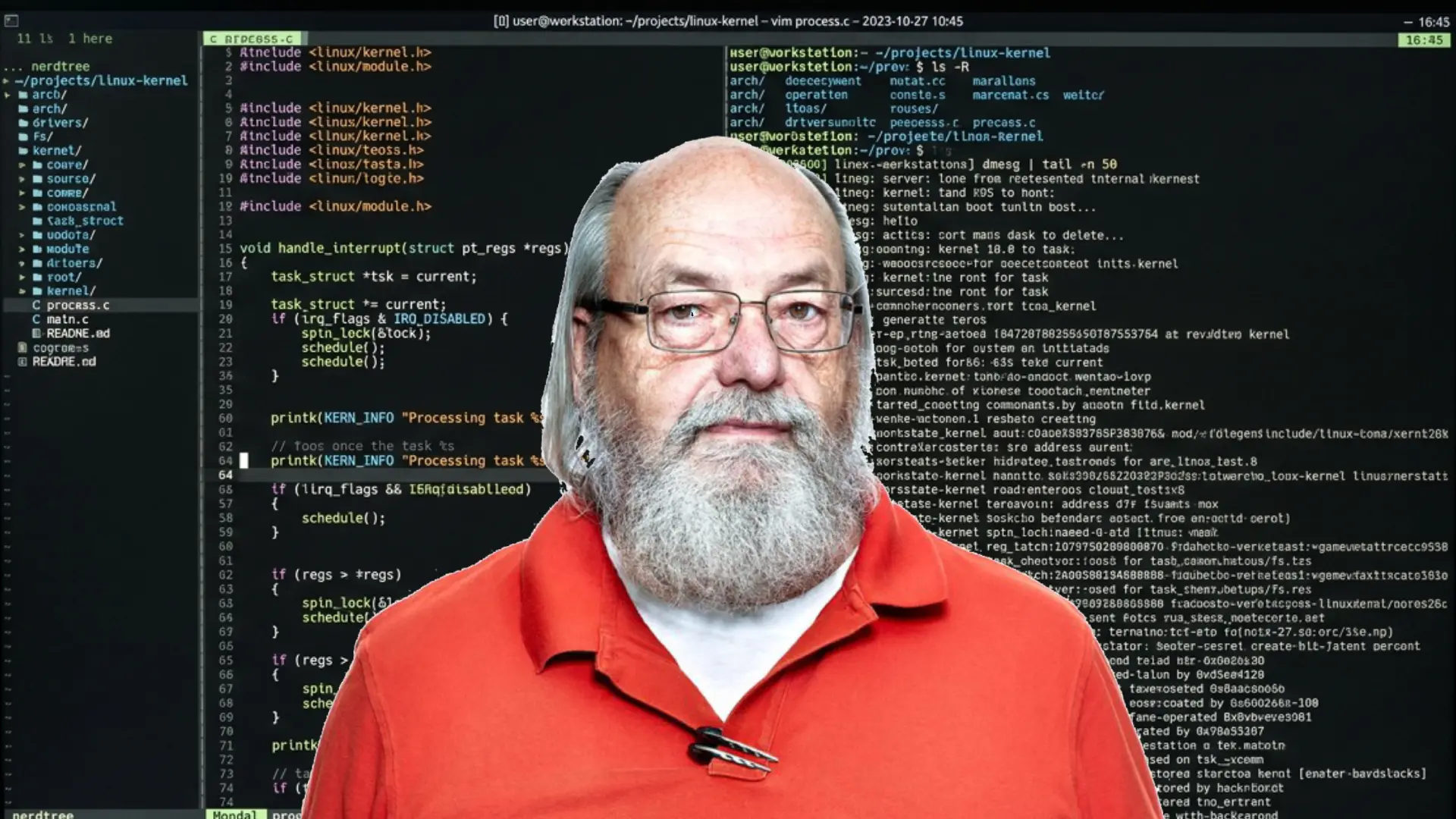
Ken Thompson, one of the original creators of Unix, shared a memorable insight about productivity in software development during a recent interview. He recalled that one of his most productive days came not from writing code, but from removing it.
Thompson said he once deleted 1,000 lines of code in a single session, describing the act as a turning point that clarified the system and improved its overall design. The anecdote highlights a philosophy he has long advocated: that simplicity and clarity often emerge through reduction rather than accumulation.
The comment underscores a broader principle in engineering and systems design, where minimizing complexity can lead to more reliable, maintainable and efficient software. Thompson’s reflection continues to resonate in modern development practices, particularly in movements advocating for minimalism, refactoring, and technical debt reduction.
His perspective remains influential in conversations about sustainable software engineering, especially as systems grow in scale and complexity across cloud infrastructure, operating systems, and large-scale applications.
