
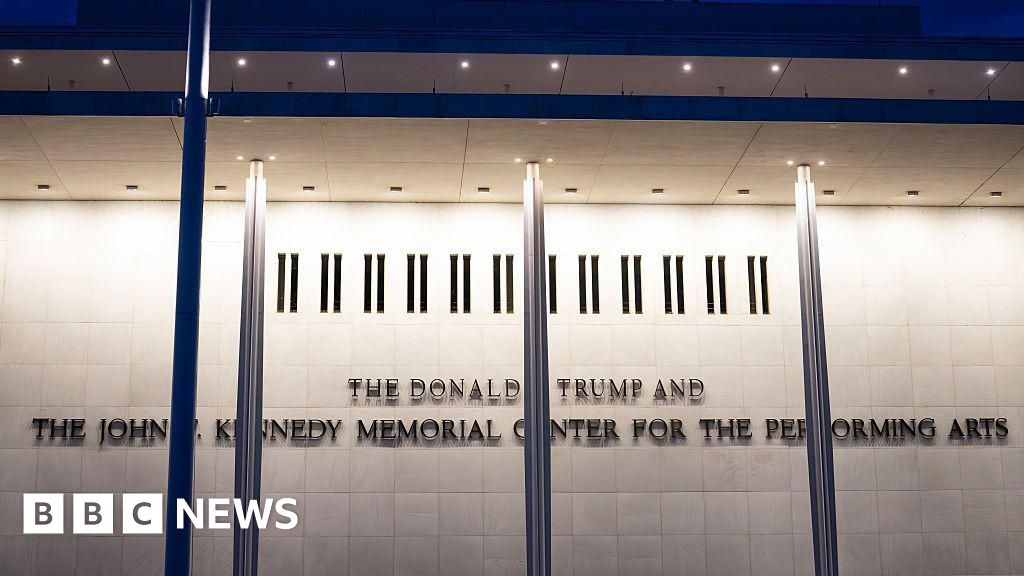
U.S. District Judge Christopher Cooper ordered the removal of Donald Trump’s name from the Kennedy Center on June 12, 2026, ruling the Board of Trustees violated the institution’s founding statute by unilaterally renaming it. The decision, reported by Courthouse News, mandates the name’s removal from the building, website, and materials by the deadline, with potential penalties for noncompliance.
The Court’s Legal Rationale
Cooper’s 94-page ruling found the Board overstepped its authority by renaming the Kennedy Center after Trump, violating the 1964 statute that established it as a “John F. Kennedy Center for the Performing Arts.” The judge emphasized Congress’s intent to preserve the institution’s “public dedication to the slain president,” noting the 2012 REACH expansion specifically barred exterior names of private contributors. “Congress gave the Kennedy Center its name, and only Congress can change it,” Cooper wrote.
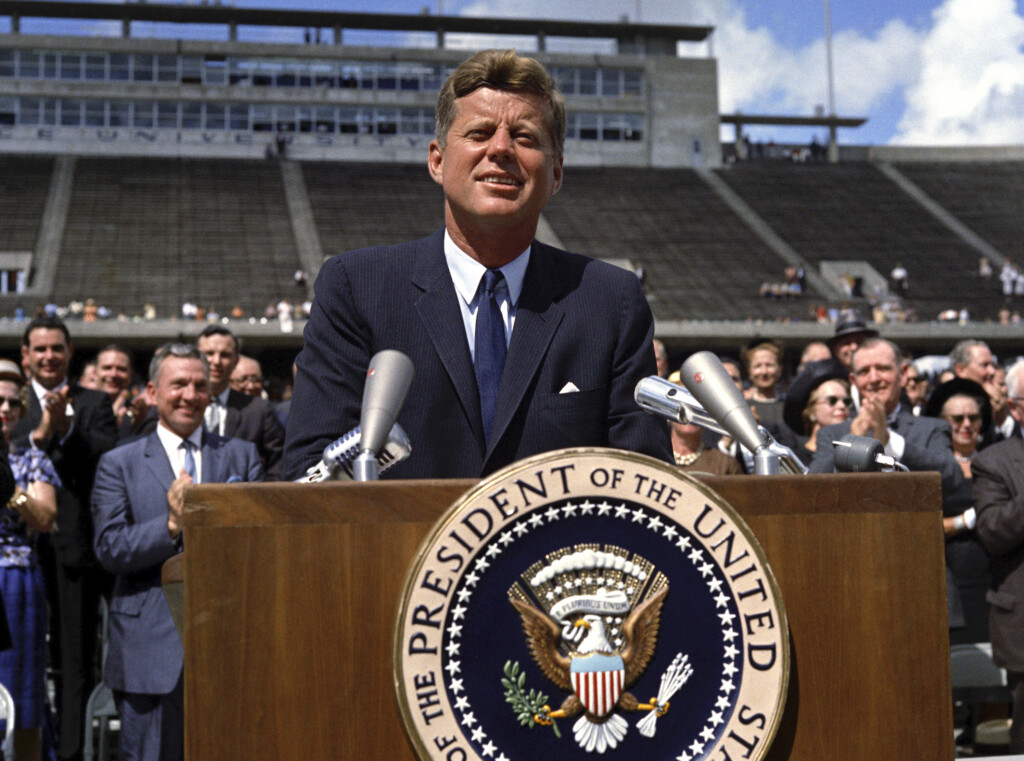
The Justice Department had defended the move as a “secondary name” akin to rebranding agencies, but the court rejected this, calling it “too cute by half.” Cooper highlighted that the “Trump Kennedy Center” label relegates Kennedy’s name to second place, effectively constituting a “renaming.” “If that’s not a renaming, what is?” the judge asked.
Board’s Appeal and Compliance Steps
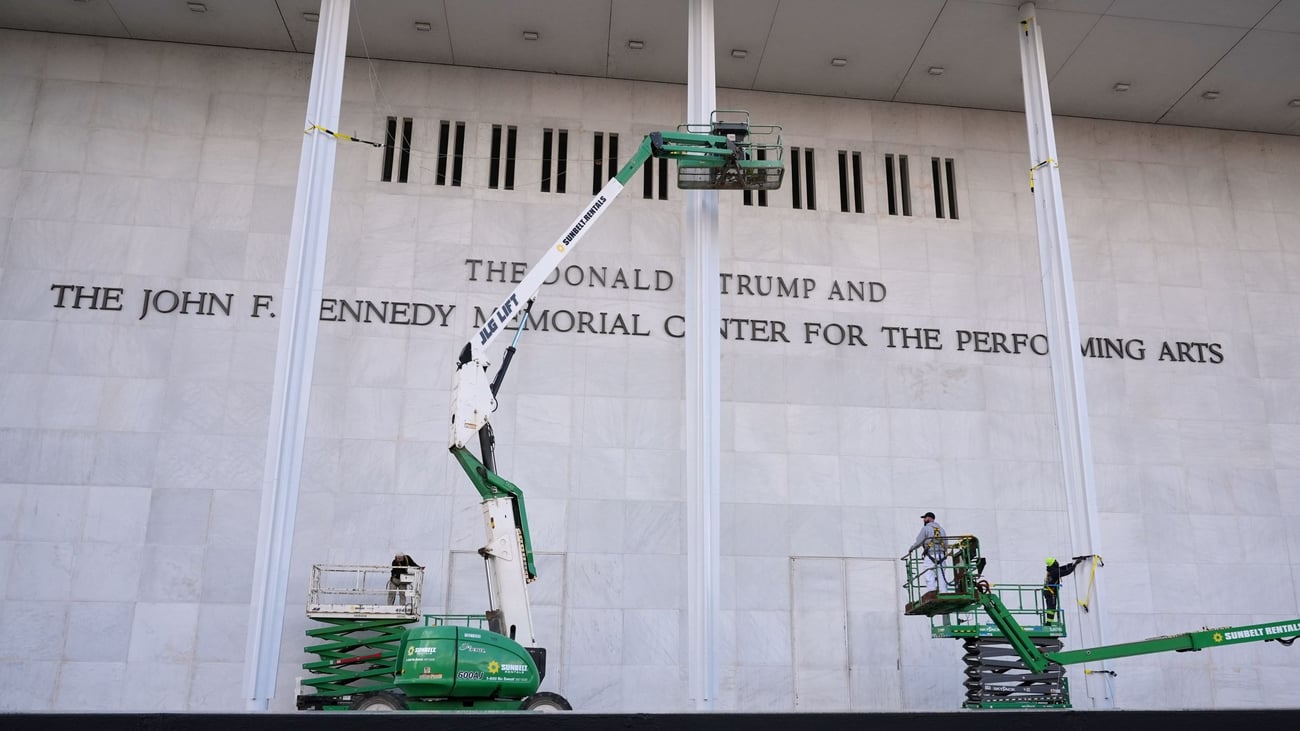
The Kennedy Center’s Board of Trustees voted to appeal the ruling, citing legal uncertainties. However, some compliance measures had already begun, per Times Now News: the center’s general counsel instructed staff to remove the Trump name from email signatures, and the website logo was updated. Exterior signage, however, remained unchanged as of June 12.

Rep. Joyce Beatty, who initiated the legal challenge, praised the ruling as affirming that the Kennedy Center “belongs to the American people, not to Donald Trump.” Her office noted the decision “undermines the desecration of this sacred memorial for his own vanity.”
Broader Implications and Historical Context
The case hinges on the legal definition of “renaming” and the balance between executive authority and statutory mandates. Cooper’s ruling aligns with historical precedents where courts have rejected unilateral changes to federally chartered institutions. For instance, the judge contrasted the Kennedy Center’s situation with rebrandings like the Consumer Financial Protection Bureau, which did not involve presidential memorials. “None of these examples implicate a presidential memorial that was legitimately intended to honor a specific public figure,” he wrote.
The dispute also reflects broader tensions over the use of public institutions for political symbolism. The Trump administration’s 2023 decision to add his name to the Kennedy Center’s facade—approved during a Dec. 18 board meeting without prior notice—sparked immediate backlash. Critics argued it diluted the center’s legacy as a tribute to JFK, while supporters framed it as a recognition of Trump’s cultural influence.
What Comes Next?
The Board’s appeal could delay compliance, but the June 12 deadline remains legally binding. If upheld, the ruling sets a precedent for limiting executive overreach in renaming federal entities. Meanwhile, the Kennedy Center’s leadership faces pressure to navigate the legal and public relations fallout. A statement from the center noted the “complexities of balancing statutory obligations with operational realities,” though it did not clarify further steps.
The case also raises questions about the role of the Board of Trustees. Composed largely of Trump allies, the board’s decisions have drawn scrutiny for perceived partisan motives. The judge’s ruling underscores the legal limits of such influence, emphasizing that statutory mandates—like the Kennedy Center’s original name—take precedence over individual or political preferences.
Public Reaction and Cultural Significance
The ruling has sparked divided reactions. Conservative outlets criticized the decision as an overreach, with one Twitter user quoting Trump’s statement: “Unless I am free to do what I do better than anyone else, bring this Institution back, physically, financially, and artistically, I have no interest in continuing what could only be a hopeless journey into ‘NEVER NEVER LAND’.”
Progressive advocates, however, celebrated the ruling as a victory for institutional integrity. “This case isn’t just about a name—it’s about who gets to define the legacy of public institutions,” said a spokesperson for the National Endowment for the Arts. “The Kennedy Center’s mission is to honor the public, not private figures.”
Find more reporting in our Entertainment section.
