
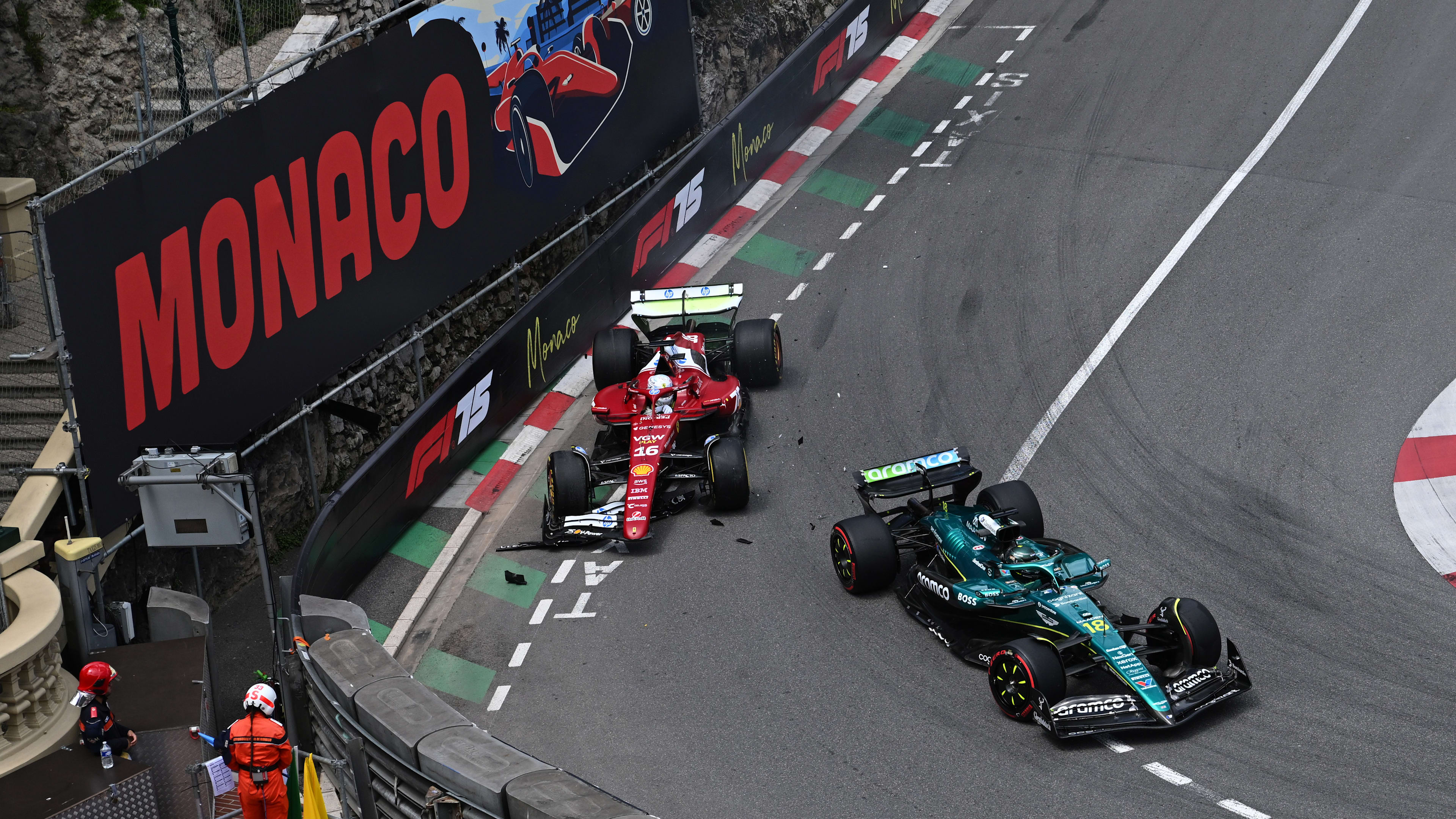
Formula 1 is a relentless pursuit of marginal gains, and in this high-pressure habitat, effective team communication and strategy are paramount. Recent on-track incidents underscore the importance of split-second decisions, so how will rapidly evolving technology reshape these crucial elements? This article decodes future trends in Formula 1 team communication and strategy, revealing how AI, enhanced data analytics, and streamlined systems will define the next generation of motorsport success.
Decoding the Future: Trends in Formula 1 Team Communication and strategy
Table of Contents
The world of Formula 1 is a high-stakes arena where split-second decisions can make or break a race. Recent incidents, like the one involving Aston Martin, highlight the critical importance of clear, concise, and effective team communication. Let’s delve into the potential future trends shaping how teams strategize and communicate,ensuring they stay ahead of the curve.
The Rise of AI-Powered Race Strategy
artificial intelligence (AI) is rapidly transforming various aspects of Formula 1, and race strategy is no exception. Expect to see more teams leveraging AI to analyse vast datasets in real-time. This includes weather patterns, tire degradation, competitor performance, and even driver feedback. AI algorithms can then generate optimal race strategies, including pit stop timings, tire choices, and overtaking maneuvers.
Case Study: Imagine an AI system predicting a sudden downpour and recommending an immediate pit stop for wet tires, giving a team a meaningful advantage over competitors relying on human intuition alone. This is the power of AI in action.
Enhanced Real-Time Data Analytics and Visualization
The amount of data generated during a Formula 1 race is staggering. Future trends point towards more sophisticated data analytics tools and improved visualization techniques. Teams will need to process and interpret this data quickly and efficiently to make informed decisions. This includes:
- Advanced Telemetry: More sensors on the car, providing even more granular data on performance.
- Interactive Dashboards: Real-time dashboards that allow engineers and strategists to visualize data in a clear and intuitive manner.
- Predictive Modeling: Using data to forecast future performance and potential issues.
Pro Tip: Teams are already experimenting with augmented reality (AR) overlays for drivers and engineers, providing instant access to critical data without taking their focus away from the race.
Streamlined Communication Systems
As the Aston Martin incident demonstrated, clear and unambiguous communication is paramount.Future trends will focus on improving communication systems to minimize errors and ensure everyone is on the same page. This includes:
- Voice Recognition and Translation: Systems that can automatically translate radio messages in real-time, overcoming language barriers.
- Prioritized Messaging: Systems that prioritize critical information, ensuring that the most significant messages get through promptly.
- Secure and Encrypted channels: Protecting sensitive team data from potential cyber threats.
Did you know? Some teams are already experimenting with haptic feedback systems, allowing engineers to “feel” the car’s performance through vibrations and other sensory cues.
The Human Element: Driver-Engineer Collaboration
While technology plays a crucial role, the human element remains vital. The future of Formula 1 will see a greater emphasis on collaboration between drivers and engineers. This includes:
- personalized Data Analysis: Tailoring data analysis to each driver’s specific needs and driving style.
- Enhanced Driver Feedback Systems: providing drivers with more immediate and actionable feedback on their performance.
- Improved Training and Simulation: Using advanced simulators to prepare drivers for various race scenarios and improve their communication skills.
Reader Question: How will the increasing reliance on technology affect the role of the race engineer in the future?
FAQ: Formula 1 Team Communication and Strategy
Q: How will AI impact race strategy?
A: AI will enable more data-driven decisions, optimizing pit stop timings, tire choices, and overtaking strategies.
Q: What are the key improvements in communication systems?
A: expect to see voice recognition, real-time translation, prioritized messaging, and secure communication channels.
Q: How important is the driver-engineer relationship?
A: It remains crucial. Personalized data analysis, enhanced feedback systems, and improved training will strengthen this collaboration.
Q: Will technology replace human decision-making?
A: Technology will augment human decision-making, providing more data and insights, but the human element of strategy and driver skill will remain essential.
The future of Formula 1 is exciting, with technology and human expertise working in tandem to push the boundaries of performance. What are your thoughts on these trends? Share your comments below, and explore our other articles on Formula 1 technology and strategy for more insights!
