21
A former Estonian defense chief, Martin Herem, has called for a more nuanced approach to drone threats, arguing that blanket alerts and mass evacuations are disproportionate. Herem, who served as head of the Estonian Defense Forces (EDF), emphasized that a single drone should not justify nationwide panic. “If we see one drone flying in a specific direction, we can predict its trajectory and issue targeted warnings, rather than urging the entire country to seek shelter,” he said.
Herem criticized Latvia and Lithuania for adopting measures like school closures, train suspensions, and airport shutdowns, which he described as “excessive.” He advocated for localized responses, such as restricting access to specific areas if a drone is heading toward populated zones. “There’s no need to hide the entire country in bunkers when a single drone poses a limited risk,” he added. His remarks highlight a growing divide in how Eastern European nations are handling aerial threats, with some prioritizing precaution over precision.
LRT
Uncertainty Over Drone’s Fate Sparks Investigation
The Latvian military has not confirmed whether the drone from Belarus was shot down, landed, or simply disappeared. The National Guard of Latvia (LNGP) stated that no ground search has been initiated, but authorities urged citizens to report any suspicious objects. “If you find something unusual, call 112 and avoid touching it,” the agency advised.
This lack of transparency has fueled speculation. In Lithuania, a similar drone incident on May 11 led to a broader response, including the temporary closure of Vilnius Airport and the deployment of NATO fighter jets. While the Lithuanian government later clarified that no immediate danger existed, the contrast with Latvia’s approach has drawn attention. Officials in Riga have yet to provide a detailed account of the current situation, leaving the public in limbo.
Lrytas
Lithuania’s Response Contrasts with Latvia’s
In Lithuania, the government issued a series of alerts following a drone sighting near the border on May 11, leading to temporary airport closures and train suspensions. The National Crisis Management Center (NKVC) later confirmed that the drone had crossed the border around 9:40 a.m. but disappeared from radar near Merkinė by 11:09 a.m. While the situation was eventually resolved, the incident underscored the region’s vulnerability to cross-border threats.
Lithuanian Prime Minister Ingrida Šimonytė emphasized the importance of vigilance, stating, “We must remain calm, rely on official information, and follow the guidance of responsible institutions.” Her comments reflected a broader effort to maintain public confidence amid ongoing security concerns. Unlike Latvia, Lithuania has not seen a political upheaval, but the repeated drone incidents have put pressure on its defense infrastructure.
Delfi
<!– wp:heading The repeated drone sightings have prompted Lithuania to accelerate investments in air defense systems and cross-border cooperation with NATO allies to bolster regional security measures.
Latvia’s defense ministry confirmed that a drone from Belarus entered its airspace on May 22, though the exact fate of the unmanned aircraft remains unclear. National Defense Forces (NBS) stated that no object was detected exiting the country or crashing, leaving officials to speculate that it either left the area or landed elsewhere. Despite this ambiguity, the incident prompted immediate alerts, with warnings issued to residents in three Latgale regions—Kraslava, Rēzekne, and Ludza. The alerts were later rescinded, but the episode underscored the heightened sensitivity to aerial threats in the region.
The crisis in Latvia follows a pattern seen earlier in Lithuania, where a similar drone incident on May 10 led to the resignation of Defense Minister Andris Sprūds and the collapse of the government. In that case, two Ukrainian drones, which had veered off course in Russia, struck oil facilities, triggering a political fallout. While Latvia’s current situation has not yet led to such dramatic consequences, the repeated drone intrusions have raised questions about the effectiveness of regional defense strategies.
Lrytas.lt
Estonian Expert Critiques Overreaction to Drone Threats
cluster (priority): LRT
A former Estonian defense chief, Martin Herem, has called for a more nuanced approach to drone threats, arguing that blanket alerts and mass evacuations are disproportionate. Herem, who served as head of the Estonian Defense Forces (EDF), emphasized that a single drone should not justify nationwide panic. “If we see one drone flying in a specific direction, we can predict its trajectory and issue targeted warnings, rather than urging the entire country to seek shelter,” he said.
Herem criticized Latvia and Lithuania for adopting measures like school closures, train suspensions, and airport shutdowns, which he described as “excessive.” He advocated for localized responses, such as restricting access to specific areas if a drone is heading toward populated zones. “There’s no need to hide the entire country in bunkers when a single drone poses a limited risk,” he added. His remarks highlight a growing divide in how Eastern European nations are handling aerial threats, with some prioritizing precaution over precision.
LRT
Uncertainty Over Drone’s Fate Sparks Investigation
The Latvian military has not confirmed whether the drone from Belarus was shot down, landed, or simply disappeared. The National Guard of Latvia (LNGP) stated that no ground search has been initiated, but authorities urged citizens to report any suspicious objects. “If you find something unusual, call 112 and avoid touching it,” the agency advised.
This lack of transparency has fueled speculation. In Lithuania, a similar drone incident on May 11 led to a broader response, including the temporary closure of Vilnius Airport and the deployment of NATO fighter jets. While the Lithuanian government later clarified that no immediate danger existed, the contrast with Latvia’s approach has drawn attention. Officials in Riga have yet to provide a detailed account of the current situation, leaving the public in limbo.
Lrytas
Lithuania’s Response Contrasts with Latvia’s
In Lithuania, the government issued a series of alerts following a drone sighting near the border on May 11, leading to temporary airport closures and train suspensions. The National Crisis Management Center (NKVC) later confirmed that the drone had crossed the border around 9:40 a.m. but disappeared from radar near Merkinė by 11:09 a.m. While the situation was eventually resolved, the incident underscored the region’s vulnerability to cross-border threats.
Lithuanian Prime Minister Ingrida Šimonytė emphasized the importance of vigilance, stating, “We must remain calm, rely on official information, and follow the guidance of responsible institutions.” Her comments reflected a broader effort to maintain public confidence amid ongoing security concerns. Unlike Latvia, Lithuania has not seen a political upheaval, but the repeated drone incidents have put pressure on its defense infrastructure.
Delfi
<!– wp:heading The repeated drone sightings have prompted Lithuania to accelerate investments in air defense systems and cross-border cooperation with NATO allies to bolster regional security measures.
The Latvian military has not confirmed whether the drone from Belarus was shot down, landed, or simply disappeared. The National Guard of Latvia (LNGP) stated that no ground search has been initiated, but authorities urged citizens to report any suspicious objects. “If you find something unusual, call 112 and avoid touching it,” the agency advised.
This lack of transparency has fueled speculation. In Lithuania, a similar drone incident on May 11 led to a broader response, including the temporary closure of Vilnius Airport and the deployment of NATO fighter jets. While the Lithuanian government later clarified that no immediate danger existed, the contrast with Latvia’s approach has drawn attention. Officials in Riga have yet to provide a detailed account of the current situation, leaving the public in limbo.
Lrytas
Lithuania’s Response Contrasts with Latvia’s
In Lithuania, the government issued a series of alerts following a drone sighting near the border on May 11, leading to temporary airport closures and train suspensions. The National Crisis Management Center (NKVC) later confirmed that the drone had crossed the border around 9:40 a.m. but disappeared from radar near Merkinė by 11:09 a.m. While the situation was eventually resolved, the incident underscored the region’s vulnerability to cross-border threats.
Lithuanian Prime Minister Ingrida Šimonytė emphasized the importance of vigilance, stating, “We must remain calm, rely on official information, and follow the guidance of responsible institutions.” Her comments reflected a broader effort to maintain public confidence amid ongoing security concerns. Unlike Latvia, Lithuania has not seen a political upheaval, but the repeated drone incidents have put pressure on its defense infrastructure.
Delfi
<!– wp:heading The repeated drone sightings have prompted Lithuania to accelerate investments in air defense systems and cross-border cooperation with NATO allies to bolster regional security measures.
BALTICS DRONE PANIC! Donald Tusk Issues Stark NATO Warning, Sparks War Spillover Fears | World News
Latvia’s defense ministry confirmed that a drone from Belarus entered its airspace on May 22, though the exact fate of the unmanned aircraft remains unclear. National Defense Forces (NBS) stated that no object was detected exiting the country or crashing, leaving officials to speculate that it either left the area or landed elsewhere. Despite this ambiguity, the incident prompted immediate alerts, with warnings issued to residents in three Latgale regions—Kraslava, Rēzekne, and Ludza. The alerts were later rescinded, but the episode underscored the heightened sensitivity to aerial threats in the region.
The crisis in Latvia follows a pattern seen earlier in Lithuania, where a similar drone incident on May 10 led to the resignation of Defense Minister Andris Sprūds and the collapse of the government. In that case, two Ukrainian drones, which had veered off course in Russia, struck oil facilities, triggering a political fallout. While Latvia’s current situation has not yet led to such dramatic consequences, the repeated drone intrusions have raised questions about the effectiveness of regional defense strategies.
Lrytas.lt
Estonian Expert Critiques Overreaction to Drone Threats
cluster (priority): LRT
A former Estonian defense chief, Martin Herem, has called for a more nuanced approach to drone threats, arguing that blanket alerts and mass evacuations are disproportionate. Herem, who served as head of the Estonian Defense Forces (EDF), emphasized that a single drone should not justify nationwide panic. “If we see one drone flying in a specific direction, we can predict its trajectory and issue targeted warnings, rather than urging the entire country to seek shelter,” he said.
Herem criticized Latvia and Lithuania for adopting measures like school closures, train suspensions, and airport shutdowns, which he described as “excessive.” He advocated for localized responses, such as restricting access to specific areas if a drone is heading toward populated zones. “There’s no need to hide the entire country in bunkers when a single drone poses a limited risk,” he added. His remarks highlight a growing divide in how Eastern European nations are handling aerial threats, with some prioritizing precaution over precision.
LRT
Uncertainty Over Drone’s Fate Sparks Investigation
The Latvian military has not confirmed whether the drone from Belarus was shot down, landed, or simply disappeared. The National Guard of Latvia (LNGP) stated that no ground search has been initiated, but authorities urged citizens to report any suspicious objects. “If you find something unusual, call 112 and avoid touching it,” the agency advised.
This lack of transparency has fueled speculation. In Lithuania, a similar drone incident on May 11 led to a broader response, including the temporary closure of Vilnius Airport and the deployment of NATO fighter jets. While the Lithuanian government later clarified that no immediate danger existed, the contrast with Latvia’s approach has drawn attention. Officials in Riga have yet to provide a detailed account of the current situation, leaving the public in limbo.
Lrytas
Lithuania’s Response Contrasts with Latvia’s
In Lithuania, the government issued a series of alerts following a drone sighting near the border on May 11, leading to temporary airport closures and train suspensions. The National Crisis Management Center (NKVC) later confirmed that the drone had crossed the border around 9:40 a.m. but disappeared from radar near Merkinė by 11:09 a.m. While the situation was eventually resolved, the incident underscored the region’s vulnerability to cross-border threats.
Lithuanian Prime Minister Ingrida Šimonytė emphasized the importance of vigilance, stating, “We must remain calm, rely on official information, and follow the guidance of responsible institutions.” Her comments reflected a broader effort to maintain public confidence amid ongoing security concerns. Unlike Latvia, Lithuania has not seen a political upheaval, but the repeated drone incidents have put pressure on its defense infrastructure.
Delfi
<!– wp:heading The repeated drone sightings have prompted Lithuania to accelerate investments in air defense systems and cross-border cooperation with NATO allies to bolster regional security measures.
A former Estonian defense chief, Martin Herem, has called for a more nuanced approach to drone threats, arguing that blanket alerts and mass evacuations are disproportionate. Herem, who served as head of the Estonian Defense Forces (EDF), emphasized that a single drone should not justify nationwide panic. “If we see one drone flying in a specific direction, we can predict its trajectory and issue targeted warnings, rather than urging the entire country to seek shelter,” he said.
Herem criticized Latvia and Lithuania for adopting measures like school closures, train suspensions, and airport shutdowns, which he described as “excessive.” He advocated for localized responses, such as restricting access to specific areas if a drone is heading toward populated zones. “There’s no need to hide the entire country in bunkers when a single drone poses a limited risk,” he added. His remarks highlight a growing divide in how Eastern European nations are handling aerial threats, with some prioritizing precaution over precision.
LRT
Uncertainty Over Drone’s Fate Sparks Investigation
The Latvian military has not confirmed whether the drone from Belarus was shot down, landed, or simply disappeared. The National Guard of Latvia (LNGP) stated that no ground search has been initiated, but authorities urged citizens to report any suspicious objects. “If you find something unusual, call 112 and avoid touching it,” the agency advised.
This lack of transparency has fueled speculation. In Lithuania, a similar drone incident on May 11 led to a broader response, including the temporary closure of Vilnius Airport and the deployment of NATO fighter jets. While the Lithuanian government later clarified that no immediate danger existed, the contrast with Latvia’s approach has drawn attention. Officials in Riga have yet to provide a detailed account of the current situation, leaving the public in limbo.
Lrytas
Lithuania’s Response Contrasts with Latvia’s
In Lithuania, the government issued a series of alerts following a drone sighting near the border on May 11, leading to temporary airport closures and train suspensions. The National Crisis Management Center (NKVC) later confirmed that the drone had crossed the border around 9:40 a.m. but disappeared from radar near Merkinė by 11:09 a.m. While the situation was eventually resolved, the incident underscored the region’s vulnerability to cross-border threats.
Lithuanian Prime Minister Ingrida Šimonytė emphasized the importance of vigilance, stating, “We must remain calm, rely on official information, and follow the guidance of responsible institutions.” Her comments reflected a broader effort to maintain public confidence amid ongoing security concerns. Unlike Latvia, Lithuania has not seen a political upheaval, but the repeated drone incidents have put pressure on its defense infrastructure.
Delfi
<!– wp:heading The repeated drone sightings have prompted Lithuania to accelerate investments in air defense systems and cross-border cooperation with NATO allies to bolster regional security measures.
BALTICS DRONE PANIC! Donald Tusk Issues Stark NATO Warning, Sparks War Spillover Fears | World News
Latvia’s defense ministry confirmed that a drone from Belarus entered its airspace on May 22, though the exact fate of the unmanned aircraft remains unclear. National Defense Forces (NBS) stated that no object was detected exiting the country or crashing, leaving officials to speculate that it either left the area or landed elsewhere. Despite this ambiguity, the incident prompted immediate alerts, with warnings issued to residents in three Latgale regions—Kraslava, Rēzekne, and Ludza. The alerts were later rescinded, but the episode underscored the heightened sensitivity to aerial threats in the region.
The crisis in Latvia follows a pattern seen earlier in Lithuania, where a similar drone incident on May 10 led to the resignation of Defense Minister Andris Sprūds and the collapse of the government. In that case, two Ukrainian drones, which had veered off course in Russia, struck oil facilities, triggering a political fallout. While Latvia’s current situation has not yet led to such dramatic consequences, the repeated drone intrusions have raised questions about the effectiveness of regional defense strategies.
Lrytas.lt
Estonian Expert Critiques Overreaction to Drone Threats
cluster (priority): LRT
A former Estonian defense chief, Martin Herem, has called for a more nuanced approach to drone threats, arguing that blanket alerts and mass evacuations are disproportionate. Herem, who served as head of the Estonian Defense Forces (EDF), emphasized that a single drone should not justify nationwide panic. “If we see one drone flying in a specific direction, we can predict its trajectory and issue targeted warnings, rather than urging the entire country to seek shelter,” he said.
Herem criticized Latvia and Lithuania for adopting measures like school closures, train suspensions, and airport shutdowns, which he described as “excessive.” He advocated for localized responses, such as restricting access to specific areas if a drone is heading toward populated zones. “There’s no need to hide the entire country in bunkers when a single drone poses a limited risk,” he added. His remarks highlight a growing divide in how Eastern European nations are handling aerial threats, with some prioritizing precaution over precision.
LRT
Uncertainty Over Drone’s Fate Sparks Investigation
The Latvian military has not confirmed whether the drone from Belarus was shot down, landed, or simply disappeared. The National Guard of Latvia (LNGP) stated that no ground search has been initiated, but authorities urged citizens to report any suspicious objects. “If you find something unusual, call 112 and avoid touching it,” the agency advised.
This lack of transparency has fueled speculation. In Lithuania, a similar drone incident on May 11 led to a broader response, including the temporary closure of Vilnius Airport and the deployment of NATO fighter jets. While the Lithuanian government later clarified that no immediate danger existed, the contrast with Latvia’s approach has drawn attention. Officials in Riga have yet to provide a detailed account of the current situation, leaving the public in limbo.
Lrytas
Lithuania’s Response Contrasts with Latvia’s
In Lithuania, the government issued a series of alerts following a drone sighting near the border on May 11, leading to temporary airport closures and train suspensions. The National Crisis Management Center (NKVC) later confirmed that the drone had crossed the border around 9:40 a.m. but disappeared from radar near Merkinė by 11:09 a.m. While the situation was eventually resolved, the incident underscored the region’s vulnerability to cross-border threats.
Lithuanian Prime Minister Ingrida Šimonytė emphasized the importance of vigilance, stating, “We must remain calm, rely on official information, and follow the guidance of responsible institutions.” Her comments reflected a broader effort to maintain public confidence amid ongoing security concerns. Unlike Latvia, Lithuania has not seen a political upheaval, but the repeated drone incidents have put pressure on its defense infrastructure.
Delfi
<!– wp:heading The repeated drone sightings have prompted Lithuania to accelerate investments in air defense systems and cross-border cooperation with NATO allies to bolster regional security measures.
The Latvian military has not confirmed whether the drone from Belarus was shot down, landed, or simply disappeared. The National Guard of Latvia (LNGP) stated that no ground search has been initiated, but authorities urged citizens to report any suspicious objects. “If you find something unusual, call 112 and avoid touching it,” the agency advised.
This lack of transparency has fueled speculation. In Lithuania, a similar drone incident on May 11 led to a broader response, including the temporary closure of Vilnius Airport and the deployment of NATO fighter jets. While the Lithuanian government later clarified that no immediate danger existed, the contrast with Latvia’s approach has drawn attention. Officials in Riga have yet to provide a detailed account of the current situation, leaving the public in limbo.
Lrytas
Lithuania’s Response Contrasts with Latvia’s
In Lithuania, the government issued a series of alerts following a drone sighting near the border on May 11, leading to temporary airport closures and train suspensions. The National Crisis Management Center (NKVC) later confirmed that the drone had crossed the border around 9:40 a.m. but disappeared from radar near Merkinė by 11:09 a.m. While the situation was eventually resolved, the incident underscored the region’s vulnerability to cross-border threats.
Lithuanian Prime Minister Ingrida Šimonytė emphasized the importance of vigilance, stating, “We must remain calm, rely on official information, and follow the guidance of responsible institutions.” Her comments reflected a broader effort to maintain public confidence amid ongoing security concerns. Unlike Latvia, Lithuania has not seen a political upheaval, but the repeated drone incidents have put pressure on its defense infrastructure.
Delfi
<!– wp:heading The repeated drone sightings have prompted Lithuania to accelerate investments in air defense systems and cross-border cooperation with NATO allies to bolster regional security measures.
cluster (priority): 15min.lt
A former Estonian defense chief, Martin Herem, has called for a more nuanced approach to drone threats, arguing that blanket alerts and mass evacuations are disproportionate. Herem, who served as head of the Estonian Defense Forces (EDF), emphasized that a single drone should not justify nationwide panic. “If we see one drone flying in a specific direction, we can predict its trajectory and issue targeted warnings, rather than urging the entire country to seek shelter,” he said.
Herem criticized Latvia and Lithuania for adopting measures like school closures, train suspensions, and airport shutdowns, which he described as “excessive.” He advocated for localized responses, such as restricting access to specific areas if a drone is heading toward populated zones. “There’s no need to hide the entire country in bunkers when a single drone poses a limited risk,” he added. His remarks highlight a growing divide in how Eastern European nations are handling aerial threats, with some prioritizing precaution over precision.
LRT
Uncertainty Over Drone’s Fate Sparks Investigation
The Latvian military has not confirmed whether the drone from Belarus was shot down, landed, or simply disappeared. The National Guard of Latvia (LNGP) stated that no ground search has been initiated, but authorities urged citizens to report any suspicious objects. “If you find something unusual, call 112 and avoid touching it,” the agency advised.
This lack of transparency has fueled speculation. In Lithuania, a similar drone incident on May 11 led to a broader response, including the temporary closure of Vilnius Airport and the deployment of NATO fighter jets. While the Lithuanian government later clarified that no immediate danger existed, the contrast with Latvia’s approach has drawn attention. Officials in Riga have yet to provide a detailed account of the current situation, leaving the public in limbo.
Lrytas
Lithuania’s Response Contrasts with Latvia’s
In Lithuania, the government issued a series of alerts following a drone sighting near the border on May 11, leading to temporary airport closures and train suspensions. The National Crisis Management Center (NKVC) later confirmed that the drone had crossed the border around 9:40 a.m. but disappeared from radar near Merkinė by 11:09 a.m. While the situation was eventually resolved, the incident underscored the region’s vulnerability to cross-border threats.
Lithuanian Prime Minister Ingrida Šimonytė emphasized the importance of vigilance, stating, “We must remain calm, rely on official information, and follow the guidance of responsible institutions.” Her comments reflected a broader effort to maintain public confidence amid ongoing security concerns. Unlike Latvia, Lithuania has not seen a political upheaval, but the repeated drone incidents have put pressure on its defense infrastructure.
Delfi
<!– wp:heading The repeated drone sightings have prompted Lithuania to accelerate investments in air defense systems and cross-border cooperation with NATO allies to bolster regional security measures.
BALTICS DRONE PANIC! Donald Tusk Issues Stark NATO Warning, Sparks War Spillover Fears | World News
Latvia’s defense ministry confirmed that a drone from Belarus entered its airspace on May 22, though the exact fate of the unmanned aircraft remains unclear. National Defense Forces (NBS) stated that no object was detected exiting the country or crashing, leaving officials to speculate that it either left the area or landed elsewhere. Despite this ambiguity, the incident prompted immediate alerts, with warnings issued to residents in three Latgale regions—Kraslava, Rēzekne, and Ludza. The alerts were later rescinded, but the episode underscored the heightened sensitivity to aerial threats in the region.
The crisis in Latvia follows a pattern seen earlier in Lithuania, where a similar drone incident on May 10 led to the resignation of Defense Minister Andris Sprūds and the collapse of the government. In that case, two Ukrainian drones, which had veered off course in Russia, struck oil facilities, triggering a political fallout. While Latvia’s current situation has not yet led to such dramatic consequences, the repeated drone intrusions have raised questions about the effectiveness of regional defense strategies.
Lrytas.lt
Estonian Expert Critiques Overreaction to Drone Threats
cluster (priority): LRT
A former Estonian defense chief, Martin Herem, has called for a more nuanced approach to drone threats, arguing that blanket alerts and mass evacuations are disproportionate. Herem, who served as head of the Estonian Defense Forces (EDF), emphasized that a single drone should not justify nationwide panic. “If we see one drone flying in a specific direction, we can predict its trajectory and issue targeted warnings, rather than urging the entire country to seek shelter,” he said.
Herem criticized Latvia and Lithuania for adopting measures like school closures, train suspensions, and airport shutdowns, which he described as “excessive.” He advocated for localized responses, such as restricting access to specific areas if a drone is heading toward populated zones. “There’s no need to hide the entire country in bunkers when a single drone poses a limited risk,” he added. His remarks highlight a growing divide in how Eastern European nations are handling aerial threats, with some prioritizing precaution over precision.
LRT
Uncertainty Over Drone’s Fate Sparks Investigation
The Latvian military has not confirmed whether the drone from Belarus was shot down, landed, or simply disappeared. The National Guard of Latvia (LNGP) stated that no ground search has been initiated, but authorities urged citizens to report any suspicious objects. “If you find something unusual, call 112 and avoid touching it,” the agency advised.
This lack of transparency has fueled speculation. In Lithuania, a similar drone incident on May 11 led to a broader response, including the temporary closure of Vilnius Airport and the deployment of NATO fighter jets. While the Lithuanian government later clarified that no immediate danger existed, the contrast with Latvia’s approach has drawn attention. Officials in Riga have yet to provide a detailed account of the current situation, leaving the public in limbo.
Lrytas
Lithuania’s Response Contrasts with Latvia’s
In Lithuania, the government issued a series of alerts following a drone sighting near the border on May 11, leading to temporary airport closures and train suspensions. The National Crisis Management Center (NKVC) later confirmed that the drone had crossed the border around 9:40 a.m. but disappeared from radar near Merkinė by 11:09 a.m. While the situation was eventually resolved, the incident underscored the region’s vulnerability to cross-border threats.
Lithuanian Prime Minister Ingrida Šimonytė emphasized the importance of vigilance, stating, “We must remain calm, rely on official information, and follow the guidance of responsible institutions.” Her comments reflected a broader effort to maintain public confidence amid ongoing security concerns. Unlike Latvia, Lithuania has not seen a political upheaval, but the repeated drone incidents have put pressure on its defense infrastructure.
Delfi
<!– wp:heading The repeated drone sightings have prompted Lithuania to accelerate investments in air defense systems and cross-border cooperation with NATO allies to bolster regional security measures.
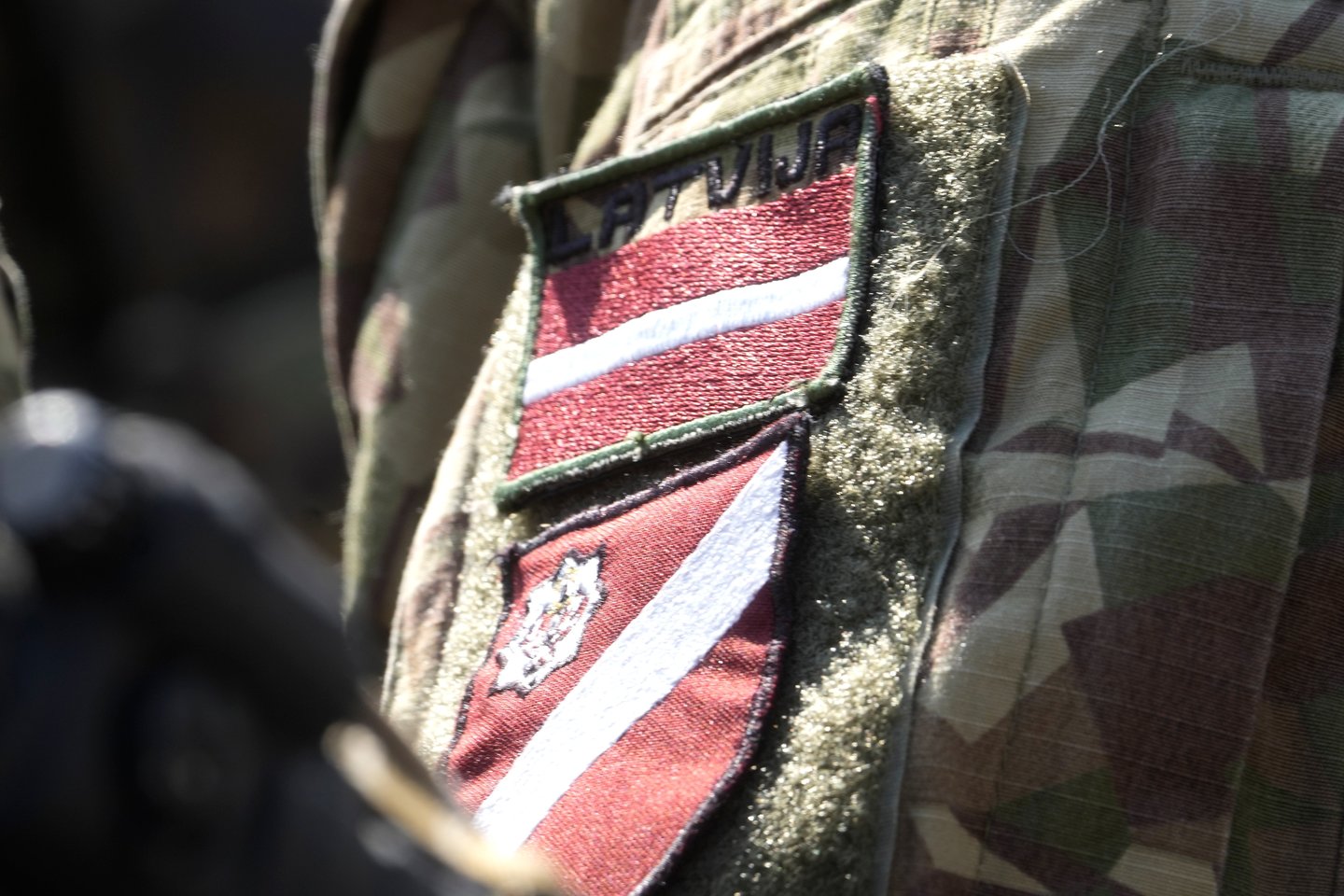
Latvia’s airspace was disrupted by a drone incident on May 22, 2026, sparking a wave of emergency measures and public alerts, while neighboring Lithuania faced a similar threat with a more measured response. The situation has reignited debates over crisis management and the role of national defense agencies in the region.
Latvia’s Government Reacts to Drone Incursion
In Lithuania, the government issued a series of alerts following a drone sighting near the border on May 11, leading to temporary airport closures and train suspensions. The National Crisis Management Center (NKVC) later confirmed that the drone had crossed the border around 9:40 a.m. but disappeared from radar near Merkinė by 11:09 a.m. While the situation was eventually resolved, the incident underscored the region’s vulnerability to cross-border threats.
Lithuanian Prime Minister Ingrida Šimonytė emphasized the importance of vigilance, stating, “We must remain calm, rely on official information, and follow the guidance of responsible institutions.” Her comments reflected a broader effort to maintain public confidence amid ongoing security concerns. Unlike Latvia, Lithuania has not seen a political upheaval, but the repeated drone incidents have put pressure on its defense infrastructure.
Delfi
<!– wp:heading The repeated drone sightings have prompted Lithuania to accelerate investments in air defense systems and cross-border cooperation with NATO allies to bolster regional security measures.
cluster (priority): Lrytas
The Latvian military has not confirmed whether the drone from Belarus was shot down, landed, or simply disappeared. The National Guard of Latvia (LNGP) stated that no ground search has been initiated, but authorities urged citizens to report any suspicious objects. “If you find something unusual, call 112 and avoid touching it,” the agency advised.
This lack of transparency has fueled speculation. In Lithuania, a similar drone incident on May 11 led to a broader response, including the temporary closure of Vilnius Airport and the deployment of NATO fighter jets. While the Lithuanian government later clarified that no immediate danger existed, the contrast with Latvia’s approach has drawn attention. Officials in Riga have yet to provide a detailed account of the current situation, leaving the public in limbo.
Lrytas
Lithuania’s Response Contrasts with Latvia’s
In Lithuania, the government issued a series of alerts following a drone sighting near the border on May 11, leading to temporary airport closures and train suspensions. The National Crisis Management Center (NKVC) later confirmed that the drone had crossed the border around 9:40 a.m. but disappeared from radar near Merkinė by 11:09 a.m. While the situation was eventually resolved, the incident underscored the region’s vulnerability to cross-border threats.
Lithuanian Prime Minister Ingrida Šimonytė emphasized the importance of vigilance, stating, “We must remain calm, rely on official information, and follow the guidance of responsible institutions.” Her comments reflected a broader effort to maintain public confidence amid ongoing security concerns. Unlike Latvia, Lithuania has not seen a political upheaval, but the repeated drone incidents have put pressure on its defense infrastructure.
Delfi
<!– wp:heading The repeated drone sightings have prompted Lithuania to accelerate investments in air defense systems and cross-border cooperation with NATO allies to bolster regional security measures.
cluster (priority): 15min.lt
A former Estonian defense chief, Martin Herem, has called for a more nuanced approach to drone threats, arguing that blanket alerts and mass evacuations are disproportionate. Herem, who served as head of the Estonian Defense Forces (EDF), emphasized that a single drone should not justify nationwide panic. “If we see one drone flying in a specific direction, we can predict its trajectory and issue targeted warnings, rather than urging the entire country to seek shelter,” he said.
Herem criticized Latvia and Lithuania for adopting measures like school closures, train suspensions, and airport shutdowns, which he described as “excessive.” He advocated for localized responses, such as restricting access to specific areas if a drone is heading toward populated zones. “There’s no need to hide the entire country in bunkers when a single drone poses a limited risk,” he added. His remarks highlight a growing divide in how Eastern European nations are handling aerial threats, with some prioritizing precaution over precision.
LRT
Uncertainty Over Drone’s Fate Sparks Investigation
The Latvian military has not confirmed whether the drone from Belarus was shot down, landed, or simply disappeared. The National Guard of Latvia (LNGP) stated that no ground search has been initiated, but authorities urged citizens to report any suspicious objects. “If you find something unusual, call 112 and avoid touching it,” the agency advised.
This lack of transparency has fueled speculation. In Lithuania, a similar drone incident on May 11 led to a broader response, including the temporary closure of Vilnius Airport and the deployment of NATO fighter jets. While the Lithuanian government later clarified that no immediate danger existed, the contrast with Latvia’s approach has drawn attention. Officials in Riga have yet to provide a detailed account of the current situation, leaving the public in limbo.
Lrytas
Lithuania’s Response Contrasts with Latvia’s
In Lithuania, the government issued a series of alerts following a drone sighting near the border on May 11, leading to temporary airport closures and train suspensions. The National Crisis Management Center (NKVC) later confirmed that the drone had crossed the border around 9:40 a.m. but disappeared from radar near Merkinė by 11:09 a.m. While the situation was eventually resolved, the incident underscored the region’s vulnerability to cross-border threats.
Lithuanian Prime Minister Ingrida Šimonytė emphasized the importance of vigilance, stating, “We must remain calm, rely on official information, and follow the guidance of responsible institutions.” Her comments reflected a broader effort to maintain public confidence amid ongoing security concerns. Unlike Latvia, Lithuania has not seen a political upheaval, but the repeated drone incidents have put pressure on its defense infrastructure.
Delfi
<!– wp:heading The repeated drone sightings have prompted Lithuania to accelerate investments in air defense systems and cross-border cooperation with NATO allies to bolster regional security measures.
BALTICS DRONE PANIC! Donald Tusk Issues Stark NATO Warning, Sparks War Spillover Fears | World News
Latvia’s defense ministry confirmed that a drone from Belarus entered its airspace on May 22, though the exact fate of the unmanned aircraft remains unclear. National Defense Forces (NBS) stated that no object was detected exiting the country or crashing, leaving officials to speculate that it either left the area or landed elsewhere. Despite this ambiguity, the incident prompted immediate alerts, with warnings issued to residents in three Latgale regions—Kraslava, Rēzekne, and Ludza. The alerts were later rescinded, but the episode underscored the heightened sensitivity to aerial threats in the region.
The crisis in Latvia follows a pattern seen earlier in Lithuania, where a similar drone incident on May 10 led to the resignation of Defense Minister Andris Sprūds and the collapse of the government. In that case, two Ukrainian drones, which had veered off course in Russia, struck oil facilities, triggering a political fallout. While Latvia’s current situation has not yet led to such dramatic consequences, the repeated drone intrusions have raised questions about the effectiveness of regional defense strategies.
Lrytas.lt
Estonian Expert Critiques Overreaction to Drone Threats
cluster (priority): LRT
A former Estonian defense chief, Martin Herem, has called for a more nuanced approach to drone threats, arguing that blanket alerts and mass evacuations are disproportionate. Herem, who served as head of the Estonian Defense Forces (EDF), emphasized that a single drone should not justify nationwide panic. “If we see one drone flying in a specific direction, we can predict its trajectory and issue targeted warnings, rather than urging the entire country to seek shelter,” he said.
Herem criticized Latvia and Lithuania for adopting measures like school closures, train suspensions, and airport shutdowns, which he described as “excessive.” He advocated for localized responses, such as restricting access to specific areas if a drone is heading toward populated zones. “There’s no need to hide the entire country in bunkers when a single drone poses a limited risk,” he added. His remarks highlight a growing divide in how Eastern European nations are handling aerial threats, with some prioritizing precaution over precision.
LRT
Uncertainty Over Drone’s Fate Sparks Investigation
The Latvian military has not confirmed whether the drone from Belarus was shot down, landed, or simply disappeared. The National Guard of Latvia (LNGP) stated that no ground search has been initiated, but authorities urged citizens to report any suspicious objects. “If you find something unusual, call 112 and avoid touching it,” the agency advised.
This lack of transparency has fueled speculation. In Lithuania, a similar drone incident on May 11 led to a broader response, including the temporary closure of Vilnius Airport and the deployment of NATO fighter jets. While the Lithuanian government later clarified that no immediate danger existed, the contrast with Latvia’s approach has drawn attention. Officials in Riga have yet to provide a detailed account of the current situation, leaving the public in limbo.
Lrytas
Lithuania’s Response Contrasts with Latvia’s
In Lithuania, the government issued a series of alerts following a drone sighting near the border on May 11, leading to temporary airport closures and train suspensions. The National Crisis Management Center (NKVC) later confirmed that the drone had crossed the border around 9:40 a.m. but disappeared from radar near Merkinė by 11:09 a.m. While the situation was eventually resolved, the incident underscored the region’s vulnerability to cross-border threats.
Lithuanian Prime Minister Ingrida Šimonytė emphasized the importance of vigilance, stating, “We must remain calm, rely on official information, and follow the guidance of responsible institutions.” Her comments reflected a broader effort to maintain public confidence amid ongoing security concerns. Unlike Latvia, Lithuania has not seen a political upheaval, but the repeated drone incidents have put pressure on its defense infrastructure.
Delfi
<!– wp:heading The repeated drone sightings have prompted Lithuania to accelerate investments in air defense systems and cross-border cooperation with NATO allies to bolster regional security measures.
ail: emily.johnson@headlinez.news
Bio:
Emily Johnson serves as News Editor at Headlinez.News, overseeing the publication’s coverage of national and breaking stories. She has worked in journalism for more than 12 years, building a reputation for precision, credibility, and rapid-response reporting. Emily’s editorial philosophy focuses on clear, fact-based writing that helps readers understand the full context behind the day’s most important events. Her expertise bridges traditional reporting and modern digital news strategies.
Expertise: Breaking news, political reporting, fact-checking, newsroom coordination, public affairs.
Location: Washington, D.C., USA