

A Unified Diplomatic Warning Against Settlement Expansion
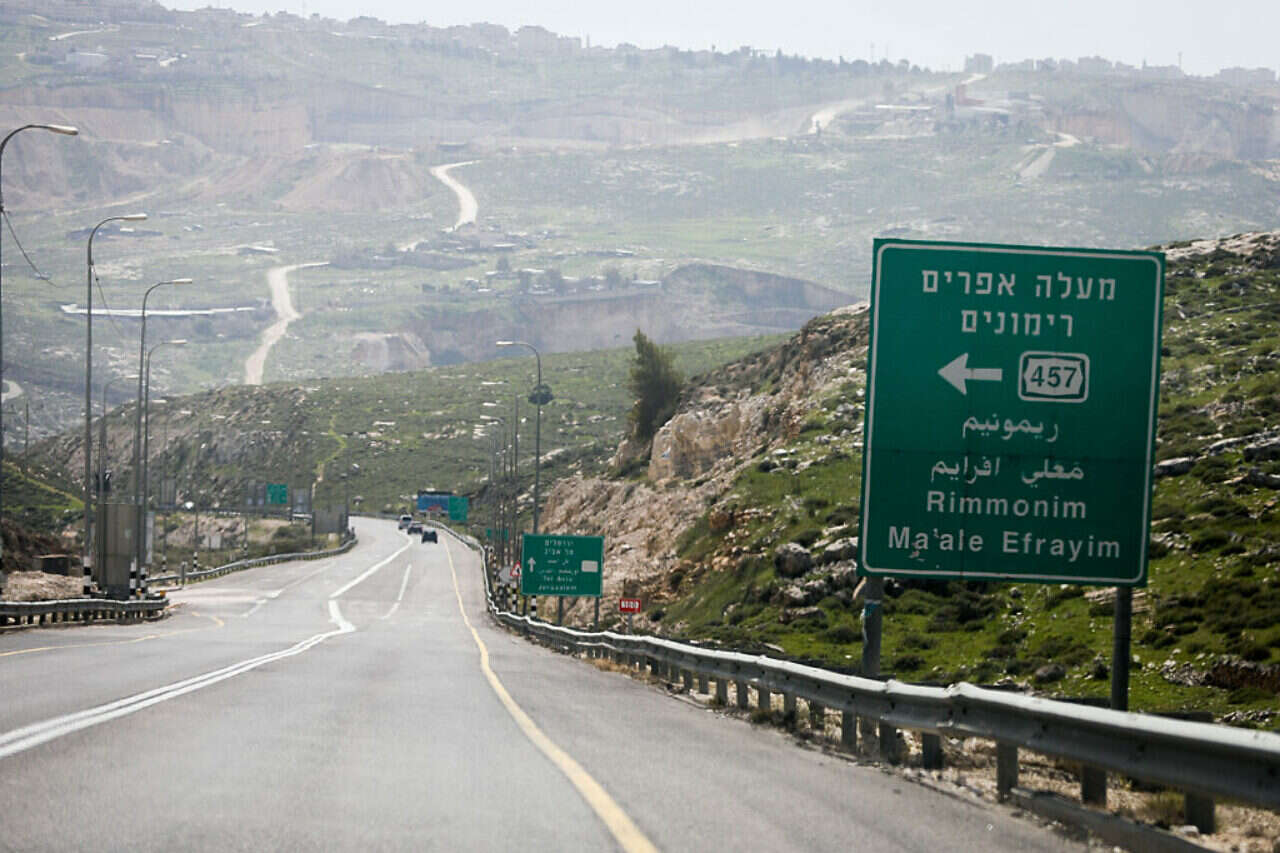
The joint diplomatic offensive, which also includes Canada, Australia, and New Zealand, represents a significant escalation in international pressure on the Israeli government. In a strongly worded statement released on Friday, the seven nations characterized the current trajectory of regional policy as a direct challenge to long-standing diplomatic efforts. The coalition explicitly linked the worsening conditions in the West Bank to government practices that they argue are undermining stability.
According to reporting on the joint declaration, the participating nations stated, “During the last few months, the situation in the West Bank has deteriorated significantly.” The statement further detailed the coalition’s assessment of the security environment, noting that “settler violence is at unprecedented levels. The policies and practices of the Israeli government, including further entrenchment of Israeli control, undermine stability and the prospects for a two-state solution.”
Beyond the immediate cessation of settlement activity, the coalition demanded that the Israeli government hold violent actors accountable and investigate allegations of abuse by security forces. The group also underscored the necessity of maintaining the historical status quo regarding holy sites in Jerusalem and called for the removal of financial restrictions currently impacting the Palestinian economy, as detailed in reports from Davar.
The E1 Corridor and the Threat of Legal Consequences
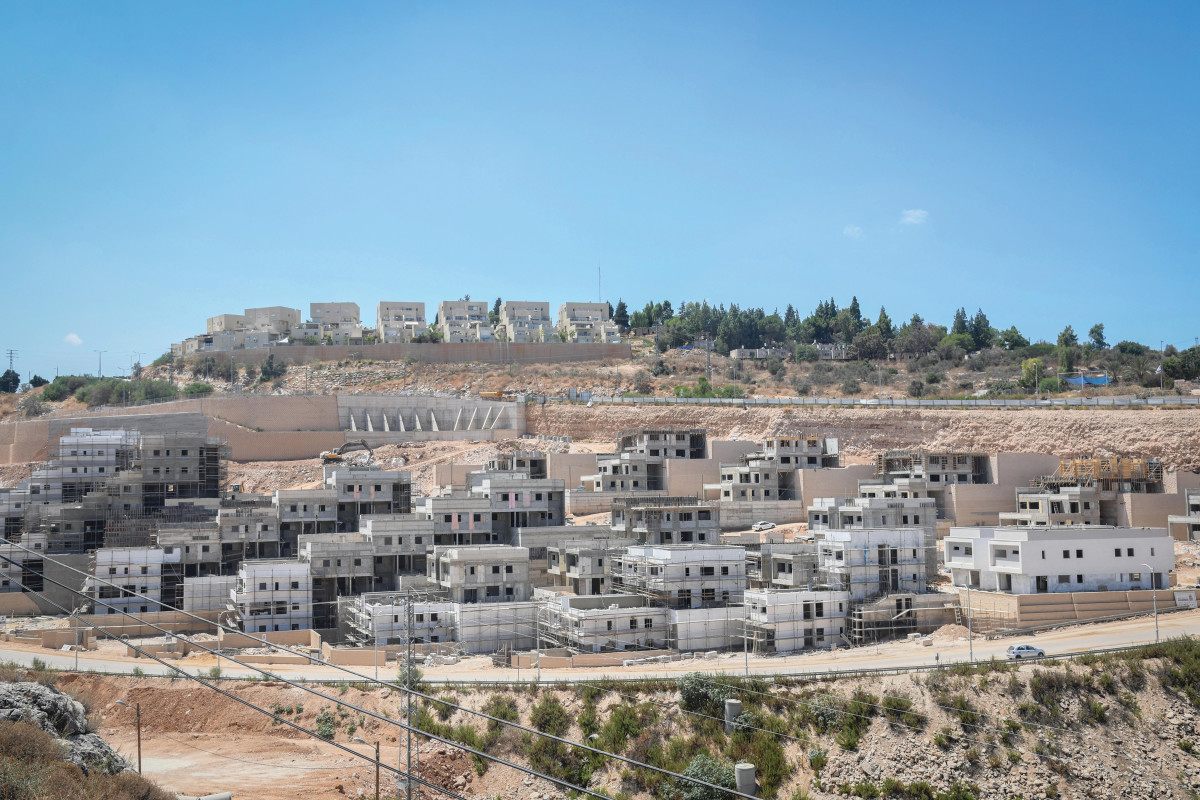
At the heart of the international rebuke is the E1 area, a 12-square-kilometer stretch of land that has long been a focal point of geopolitical contention. The coalition warned that development in this specific zone would effectively bisect the West Bank, rendering a contiguous future Palestinian state physically impossible. The group categorized any construction in this area as a “serious violation of international law,” a position highlighted in coverage by Haaretz.
Moving beyond standard diplomatic rhetoric, the coalition issued a direct warning to the private sector. Leaders urged contractors to refrain from participating in upcoming housing tenders for the E1 area, which are expected to open in early June. The message to the construction industry was stark:
“Development of the E1 settlement will divide the West Bank in two, and will constitute a serious violation of international law.”Joint statement by Italy, the UK, France, Germany, Canada, Australia, and New Zealand, via Haaretz
The coalition emphasized that companies involved in these projects face not only reputational damage but potential legal consequences. As noted by Maariv, this pressure marks a shift from general condemnation to implied punitive measures against commercial entities, signaling that the international community is prepared to translate its political stance into economic reality.
Broader European Trade Restrictions and Policy Friction
The timing of this statement coincides with broader efforts within the European Union to restrict trade related to settlement activity. Ireland’s Foreign Minister, Helen McEntee, noted on social media that ten European member states are now pushing for the European Commission to propose a comprehensive ban on trade with illegal settlements. This development, captured by Israel Hayom, suggests that the pressure on the Israeli government is not limited to the seven-nation coalition but is gaining momentum across broader European political institutions.
The Israeli government has yet to provide an immediate official response to the joint statement. The current friction stems from a series of administrative and planning decisions, including the authorization of 3,401 housing units in E1, which were approved in late August 2025. The publication of the tender, which appeared on the Israel Land Authority website in December, has served as a catalyst for the current diplomatic standoff.
Imminent Deadlines and the Future of Regional Diplomacy

As the June tender deadline approaches, the situation remains fluid. The coalition’s explicit warning—”be aware of the consequences”—serves as a final notice to stakeholders that the international landscape regarding settlement construction has shifted. Whether these warnings will successfully freeze the planned tenders or lead to a further hardening of positions between the Israeli government and its Western allies remains the central question for the coming month.
