
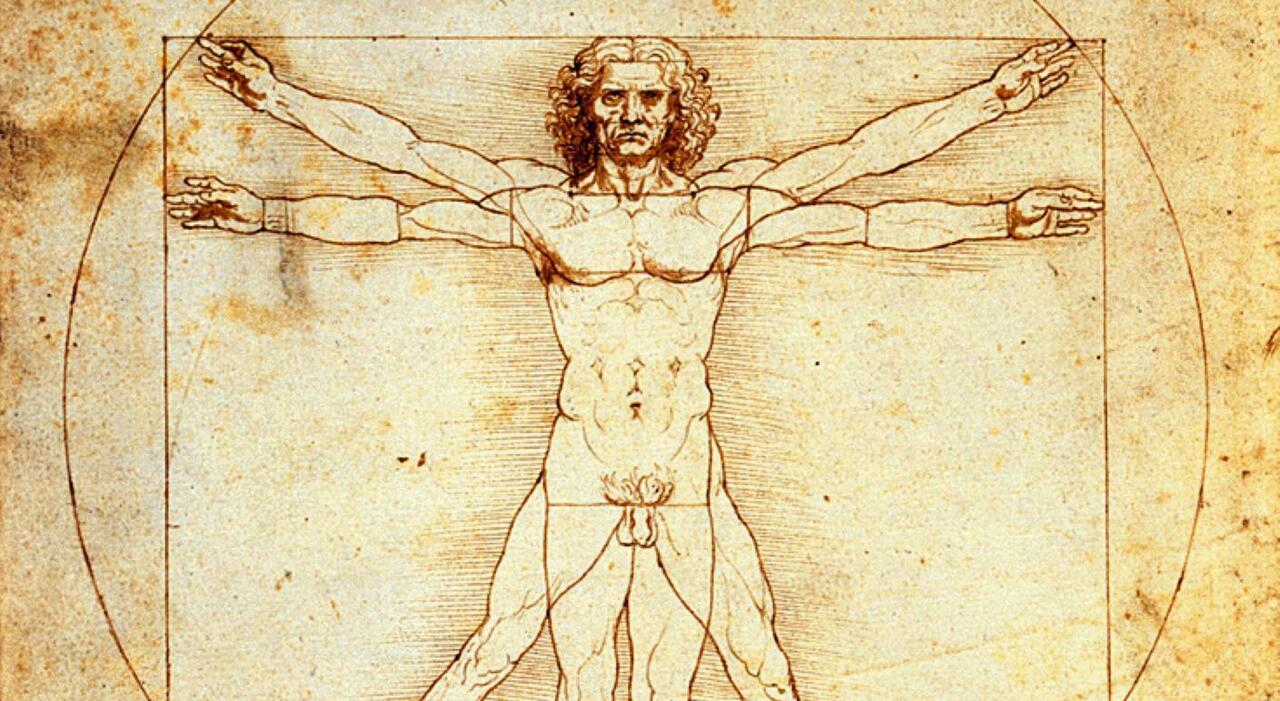
Scientists have confirmed that Leonardo da Vinci’s 500-year-old theories about the human heart were correct, revealing the purpose of intricate muscle structures he first sketched in the 16th century.
Using artificial intelligence to analyze over 25,000 heart MRI scans, an international research team discovered that the trabeculae — a mesh of muscle fibers lining the inner surface of the heart — play a crucial role in blood flow efficiency. These structures, which da Vinci depicted with remarkable precision, create a fractal-like pattern resembling snowflakes and help reduce resistance during heartbeats, much like the dimples on a golf ball reduce air resistance.
The findings, published in recent studies, show that while trabeculae may assist in oxygenating the developing heart in embryos, in adults they significantly influence cardiac performance and are linked to heart failure risk. This breakthrough validates da Vinci’s anatomical insights, which were made centuries before modern imaging technology could confirm their function.
Da Vinci conducted more than 30 human dissections and numerous animal studies, producing over 100 detailed drawings of the cardiovascular system. His operate anticipated modern understanding of heart valve mechanics, blood vortices and coronary vessels, demonstrating a level of accuracy that continues to astonish medical researchers today.
This discovery not only honors the legacy of the Renaissance polymath but also opens new avenues for understanding heart disease. By linking trabecular morphology to genetic and functional data, scientists hope to improve early detection and treatment strategies for heart failure.
The research underscores how historical scientific observations, when reexamined with modern tools, can yield vital insights for contemporary health challenges — proving that some ideas, no matter how old, are truly ahead of their time.
