
As of April 24, 2026, public health officials in La Réunion continue to monitor a significant burden of mosquito-borne and water-related infectious diseases, with leptospirosis, dengue, and chikungunya remaining in circulation across the island.
According to the latest bulletin from Santé Publique France, 159 confirmed cases of leptospirosis have been reported since the beginning of the year, alongside 109 autochthonous dengue cases and 28 cases of chikungunya. Several dengue case clusters have been observed, prompting heightened surveillance in affected areas.
Health authorities emphasize that these diseases often present with similar early symptoms—sudden high fever, severe headaches, muscle and joint pain, and sometimes a rash—making early diagnosis challenging but critical for timely treatment and prevention of complications.
While dengue fever is commonly associated with cardiovascular involvement such as myocarditis, such complications are considered unusual in leptospirosis. However, emerging evidence highlights the growing importance of monitoring heart health during and after chikungunya infection, with increasing reports of cardiovascular effects in recent studies.
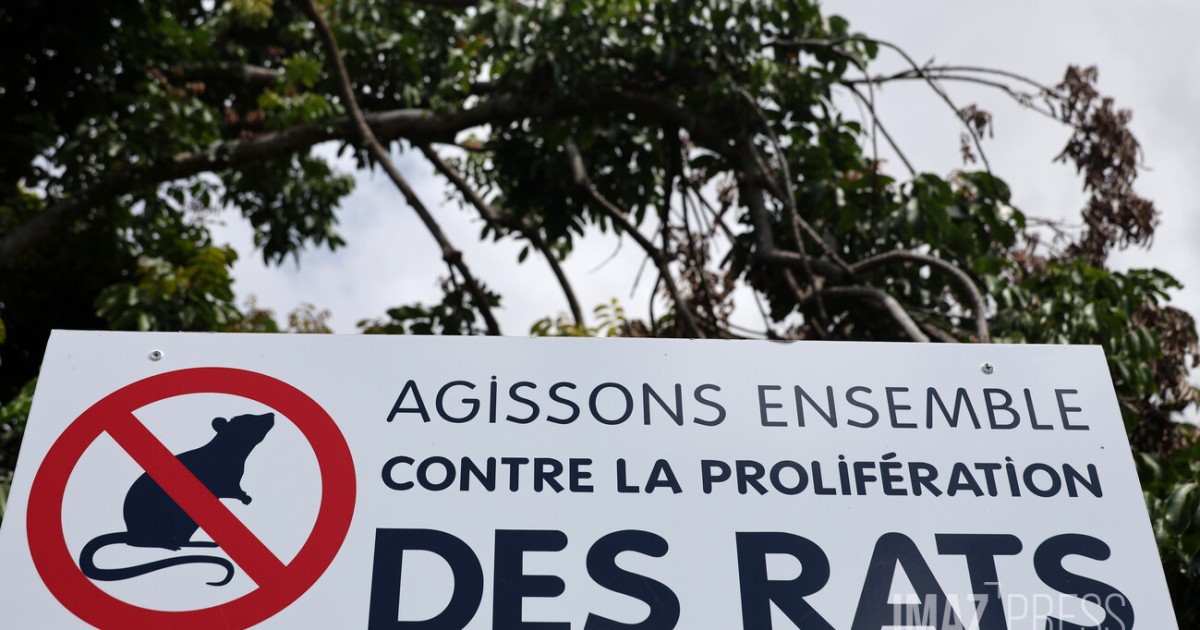
The ongoing co-circulation of these diseases underscores the demand for continued vigilance, particularly during periods of heavy rainfall and flooding, which can increase the risk of leptospirosis transmission through contaminated water and heighten mosquito breeding conditions for dengue and chikungunya.
Public health messaging remains focused on early symptom recognition, avoiding exposure to potentially contaminated freshwater, and taking preventive measures against mosquito bites, including the use of repellents and elimination of standing water around homes.
