
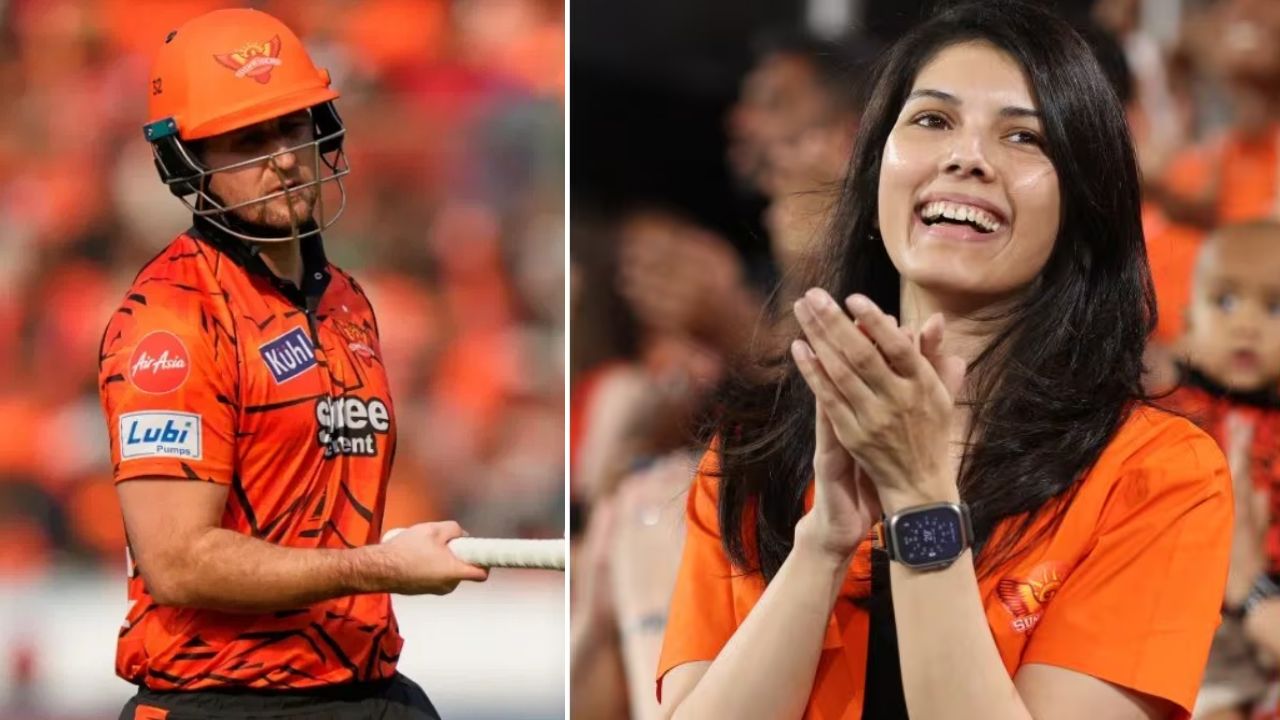
Liam Livingstone has accused Sunrisers Hyderabad (SRH) owner Kavya Maran of influencing team selection decisions in the IPL 2026, alleging he was dropped from the playing XI despite strong form earlier in the season. The English all-rounder’s claims—made in a recent podcast—shed light on a growing tension between franchise ownership and player autonomy in India’s premier T20 league, where commercial interests increasingly dictate on-field decisions.
Why Livingstone’s Allegation Stands Out
Livingstone’s accusation is not the first time franchise ownership has faced scrutiny over player selections in the IPL. However, his direct challenge to SRH’s management—particularly targeting Maran, whose aggressive business strategies have propelled the team’s valuation from ₹85 crore to over ₹13,000 crore—marks a rare public confrontation. While the league has long operated under a facade of “player-first” policies, insiders and former players increasingly whisper about the unspoken influence of ownership on squad decisions.
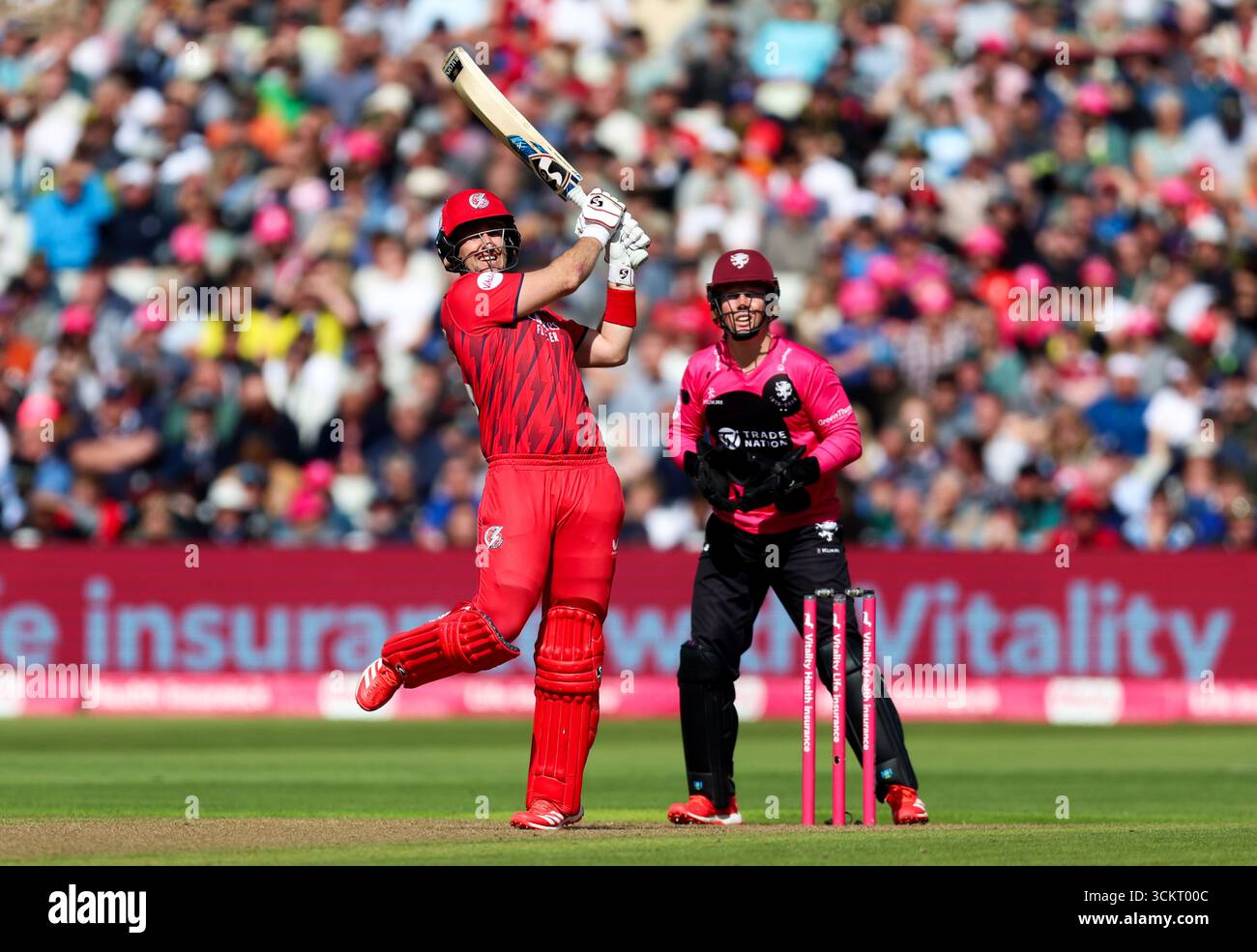
According to a podcast interview cited by News Google, Livingstone claimed SRH’s selection committee prioritized players favored by Maran over merit-based choices. He pointed to Salil Arora—a bowler acquired by Mumbai Indians—as an example of a player allegedly given preferential treatment due to ownership preferences. “The owners had their favorite, and that’s who got the spot,” Livingstone suggested, framing the decision as a commercial rather than cricketing call.
The SRH Business Model: Success Through Control
SRH’s meteoric rise under Maran—whose Sun Network Group has invested heavily in the franchise—has been built on a philosophy of tight operational control. As Times Now Telugu reported, Maran’s approach extends beyond cricket, with a business-first mindset that prioritizes brand value over traditional player autonomy. The franchise’s valuation leap—from ₹85 crore to ₹13,000 crore—reflects this strategy, with Maran’s decisions often framed as long-term investments rather than short-term cricketing ones.

Livingstone’s allegations align with broader concerns about IPL franchises treating players as assets rather than athletes. While the league’s revenue model relies on star power, ownership groups like Maran’s increasingly dictate rosters based on marketability, sponsorship synergy, and even political connections—factors that rarely align with on-field performance.
A League at a Crossroads: Livingstone’s Criticism of IPL’s “Boring” Format
Livingstone’s criticism of the IPL isn’t limited to SRH’s selections. In a separate interview with BigTvLive, he called the tournament “param boring”, blaming flat pitches and over-reliance on six-hitting for draining excitement from the league. His remarks—though controversial—highlight a deeper issue: as franchises prioritize commercial appeal over competitive balance, the IPL risks becoming a spectacle rather than a sporting contest.
Livingstone’s dual critique—of ownership interference and league stagnation—positions him as an unlikely whistleblower. While his claims lack immediate evidence, they resonate with a growing chorus of players and analysts who argue the IPL’s future depends on restoring trust between franchises and athletes. The question now is whether Livingstone’s allegations will spark broader reforms—or if they’ll be dismissed as the rantings of a disgruntled player.
What Happens Next: SRH’s Response and the IPL’s Reckoning
SRH has not yet publicly addressed Livingstone’s claims, but the franchise’s history suggests a defensive posture. Maran’s track record indicates he views player dissent as a threat to his tightly controlled vision for the team. If Livingstone’s allegations gain traction—particularly if other players or insiders come forward—the IPL’s governance body may face pressure to investigate.

More immediately, Livingstone’s future with SRH hangs in the balance. His recent poor form (1 and 14 in two matches) may have already sealed his exclusion, but his allegations could complicate his standing with the franchise. Whether he remains in Hyderabad—or seeks a move to a more player-friendly team—will be a key story in the coming weeks.
The bigger picture, however, is the IPL’s sustainability. If franchises continue to prioritize commercial interests over cricketing integrity, the league risks alienating its core fanbase. Livingstone’s outspokenness—while risky—could force a reckoning: either the IPL adapts to player concerns, or it risks becoming a hollowed-out brand chasing profits over passion.
For now, the story is far from over. Livingstone’s allegations have exposed a fault line in the IPL’s foundation—one that could reshape the league’s future if addressed seriously.
