
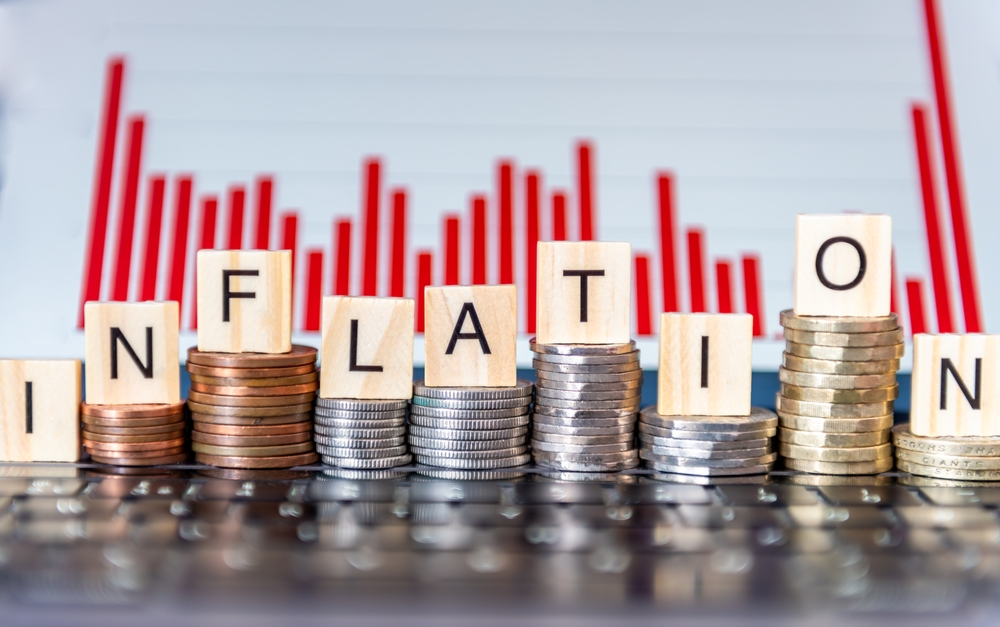
Donald Trump faces his most significant political vulnerability yet, with a record 73% of Americans disapproving of his economic leadership, according to a Reuters/Ipsos poll. The crisis, fueled by persistent inflation and rising fuel prices, threatens the Republican Party’s narrow majority in Congress as midterm elections approach.
Record Disapproval and Economic Woes
Trump’s approval rating has hit a historic low, with 73% of Americans disapproving of his economic management, per a Reuters/Ipsos survey. This marks the first time since 2017 that his disapproval rate has exceeded 70%, according to the Gallup Economic Confidence Index. The decline coincides with inflation surging past 4% for the first time since spring 2023, as reported by Bloomberg.

The White House has emphasized its focus on tax cuts and domestic energy production, claiming these measures will shield the U.S. from global supply chain crises. However, analysts like Joseph Brusuelas of RSM US argue that the economic fallout from the Iran conflict and blocked Strait of Hormuz trade routes will persist. “The impact of these disruptions won’t reverse quickly,” Brusuelas stated, citing ongoing damage to oil infrastructure and lingering geopolitical risks.
Small Business Confidence Plummets
Small business optimism in the U.S. fell to 95.3 in May, below the 52-year average of 98.0, according to the National Federation of Independent Business (NFIB). The index’s uncertainty component rose to 91, far exceeding its historical average of 68, signaling deepening concerns about inflation and energy costs.

34% of small businesses plan to raise prices in the next three months, the highest level in nearly four years, while 36% have already increased prices since March 2023. These trends reflect broader economic pressures, with the Consumer Price Index (CPI) projected to rise 4.2% annually in May, per the NFIB survey. “The combination of rising energy costs and geopolitical tensions is creating a perfect storm for small businesses,” said an NFIB representative.
Fuel Prices Fuel Political Tensions
Gasoline prices remain a key electoral flashpoint, with the national average at $4.24 per gallon as of June 4, a 35% increase from the same period last year, according to the American Automobile Association (AAA). Despite diplomatic efforts to ease tensions between the U.S. and Iran, analysts like Matt Smith of Kpler warn that market stability may take months. “Even with restored shipping through the Strait of Hormuz, delays and supply chain disruptions will keep prices elevated through the fourth quarter,” Smith said.
The financial burden is stark: American households have spent an estimated $100 billion more on energy in the past three months, per Moody’s Analytics. This has intensified pressure on Trump’s re-election prospects, as voters grapple with rising living costs. “If gas prices stay above $4 through Labor Day, it will be a major political liability for the incumbent party,” said former Trump aide Mick Mulvaney, citing the historical trend of midterm election losses for the sitting administration.
Republican Party in Peril
The GOP’s grip on Congress is under threat, with Republicans facing a potential loss of their majority in the House. The party’s ability to counteract the economic backlash will depend on its response to inflation and energy policy. Trump’s team has focused on domestic energy production, arguing that increased oil drilling will eventually lower prices. However, critics question the timeline, noting that infrastructure and regulatory hurdles could delay results for years.
Political analysts warn that the current crisis could reshape the 2026 midterm landscape. “This isn’t just about inflation—it’s about trust,” said an economist quoted in the Forbes Romania article. “When voters feel the economy is out of control, historical patterns show a strong shift toward the opposition.”
As the election cycle intensifies, the interplay between energy policy, inflation, and voter sentiment will define the political narrative. With fuel prices and economic confidence at historic lows, Trump’s ability to reverse public perception will be critical to his party’s survival.
Reuters/Ipsos | National Federation of Independent Business | <a href="https://www.vietnam.
<!– /wp:paragraph The outcome of the 2026 midterm elections will be shaped by voters' perceptions of the economy, energy policy, and inflation, with the Republican Party's survival dependent on Trump's ability to reverse public sentiment.