
Leiden University Medical Centre (LUMC) researchers are poised for significant advancements across a range of critical health areas, fueled by recent grant awards and leadership appointments. From improved diagnostic strategies for chronic prostatitis and ovarian cancer to initiatives ensuring data accessibility and safer gene therapies, a wave of projects is underway. This article details several key developments, including over €300,000 in funding for data sharing and new leadership within the university’s Healthy Society Program, demonstrating LUMC’s commitment to both innovative research and collaborative health solutions.
European Funding Supports Research into Chronic Prostatitis and Data Accessibility
Table of Contents
Researchers are working to improve the diagnosis and treatment of chronic bacterial prostatitis, a long-term condition that can significantly impact quality of life. Additionally, new funding aims to make valuable biomedical data more accessible for future research.
Drs. Manu Bilsen and Merel Lambregts, affiliated with Leiden University Medical Center (LUMC), have been awarded a grant from the European Society of Clinical Microbiology and Infectious Diseases (ESCMID) to launch the project “Chronic bacterial prostatitis: from practice to consensus.” The international initiative will map current diagnostic practices and treatments for chronic bacterial prostatitis globally, and develop a research definition agreed upon by experts. This standardization is a crucial step toward making studies more comparable and strengthening future clinical trials.
The project will involve collaboration with colleagues from Europe, North and South America, Africa, and Asia. Improved care for this often-debilitating condition is the ultimate goal of the research.
On the photo: Manu Bilsen
Researcher Receives €250,000 Grant to Enhance Data Sharing
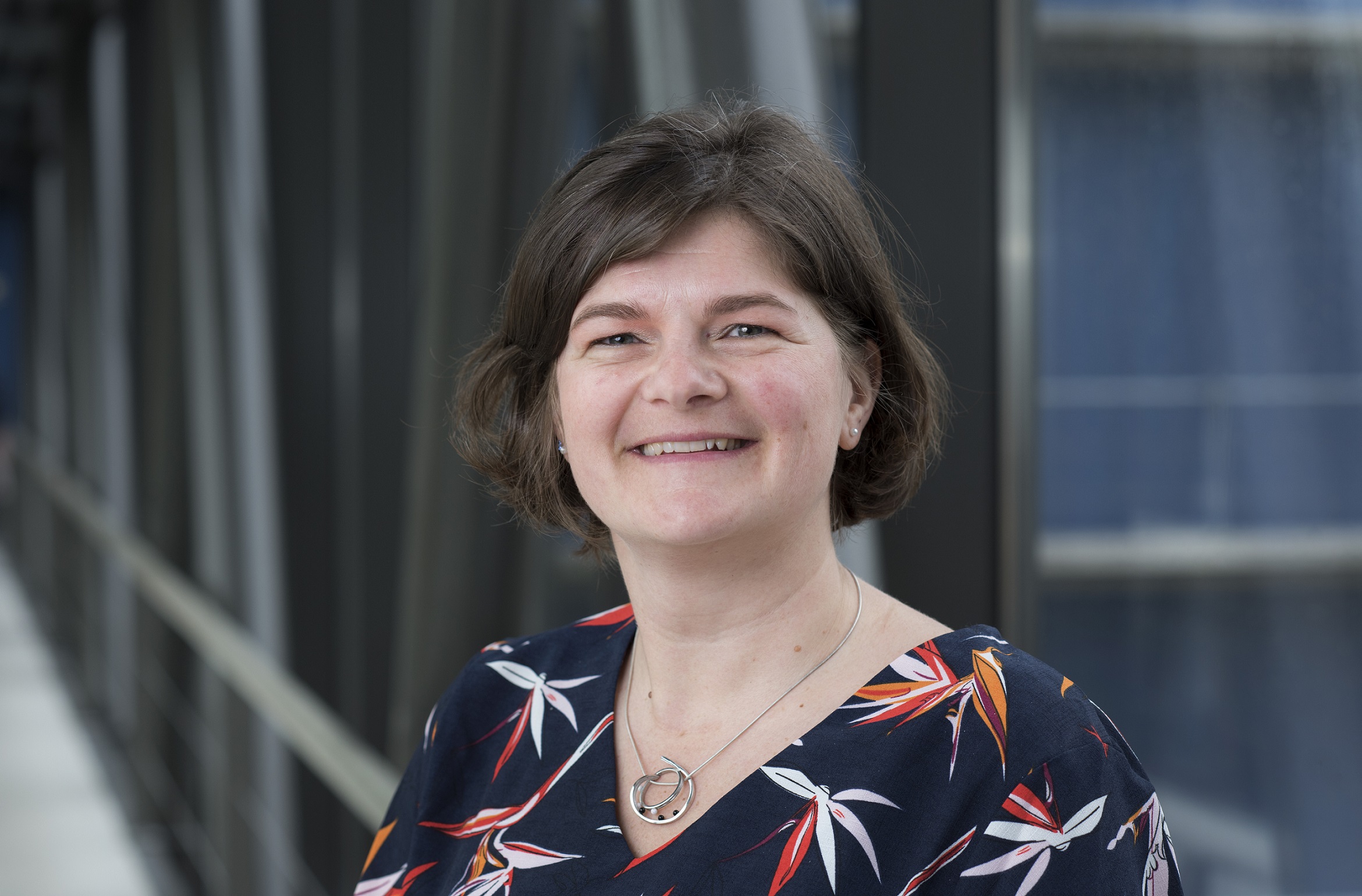 Long-term observational and interventional studies generate extensive data from various sources, proving invaluable to biomedical research. However, datasets – including questionnaires, physical measurements, molecular data, and scans – are often collected over time without adhering to FAIR data principles (Findable, Accessible, Interoperable, and Reusable). Retroactively applying these principles is essential for maximizing the potential of this data.
Dr. Marian Beekman has received a €250,000 grant from Open Science Infrastructure to address this challenge with the project RetroFAIR. The project will develop step-by-step guides, tools, and access procedures to help biomedical researchers retrospectively apply FAIR principles to existing datasets. This will facilitate responsible and efficient reuse of valuable biomedical data that cannot easily be re-acquired. More information is available on openscience.nl.
Professor Appointed to Lead Healthy Society Program
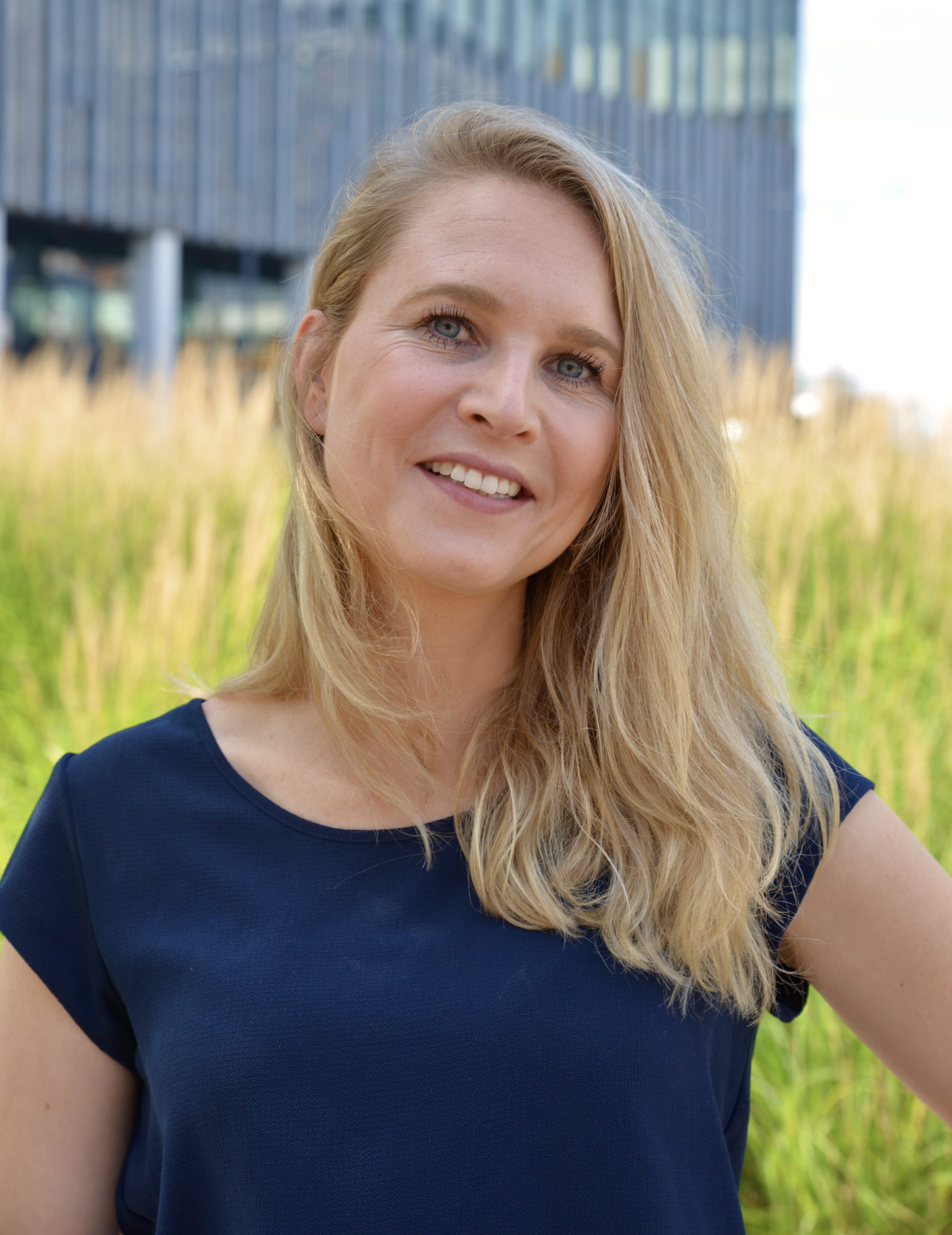 Prof. Dr. Marieke Adriaanse has been appointed as the strategic representative and a new member of the steering committee for the Healthy Society Program at Leiden University. This program is a collaborative effort between Leiden, Delft, and Erasmus Universities; Medical Delta; and the Province of South Holland. It focuses on building a resilient society where everyone can live as healthily as possible – mentally, physically, and socially.
As a professor of Behavioral Interventions in Population Health Management, with joint appointments at LUMC and the Faculty of Social and Behavioral Sciences at Leiden University, Marieke Adriaanse brings extensive expertise in behavior change and health promotion, particularly among individuals with lower socioeconomic status. Further details can be found on the University of Leiden website.
Three LUMC Researchers Awarded NWO Open Competition XS Grants
Three researchers at Leiden University Medical Center (LUMC) have each received a grant from the Netherlands Organisation for Scientific Research (NWO) for their research projects. These grants, totaling up to €50,000 each, support promising ideas and innovative, high-risk initiatives. The research is designed to push boundaries, and success isn’t guaranteed, but any results – positive or negative – will contribute to scientific advancement.
Dr. Janneke Dekker and Dr. Sophie Cramer – Addressing Breathing Problems in Newborns
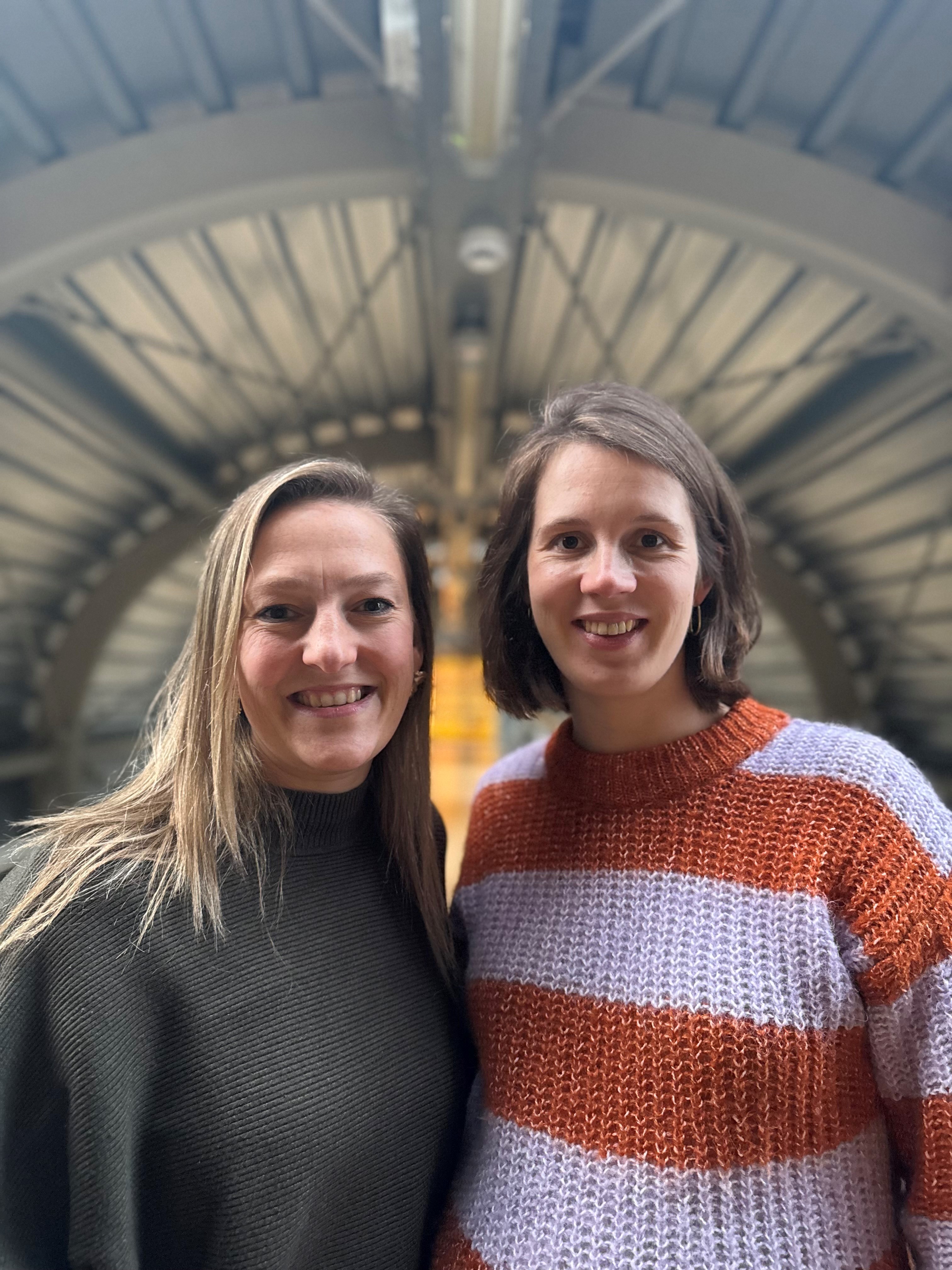 Breathing problems are the leading cause of intensive care admissions for newborns, particularly after Cesarean section. Without the contractions of labor, these infants retain more fluid in their lungs. Current treatment involves continuous positive airway pressure (CPAP), which pushes fluid from the lungs into surrounding tissues. While this clears the lungs, the pressure also compresses the tissue, slowing fluid redistribution and prolonging breathing difficulties. The researchers propose an alternative: continuous negative pressure around the chest. This approach opens the lungs without compressing the tissue, potentially speeding up fluid redistribution.
Dr. Agustin Enciso Martinez – Developing a Simple Blood Test for Early Cancer Detection
 Ovarian cancer is the deadliest gynecological cancer due to late diagnosis in many cases. Researchers have discovered that tumors release tiny particles into the bloodstream, called tumor vesicles, containing a unique sugar not found in healthy vesicles. They aim to translate this finding into a simple blood test for early cancer detection. The test utilizes new probes that capture tumor vesicles via this sugar, and special nanoparticles that convert invisible light into a bright signal. This combination enables highly sensitive detection, crucial for identifying tumors when they are still small. If successful, the test could save lives. The research is being conducted in close collaboration with postdoctoral researcher Sherif Bayoumy.
Prof. Dr. Frank Staal – Paving the Way for Safer Gene Therapies
 Rare genetic diseases affect more than one million people in the Netherlands, causing life-threatening conditions with limited treatment options. Repairing genetic defects with gene therapy in stem cells offers the potential for a lifelong cure. This involves delivering a healthy gene into stem cells using a virus. However, this can lead to uncontrolled activity of the therapeutic gene, potentially causing cancer. This project aims to develop a safer strategy: ‘DNA switches’ that activate genes only in the cells that need treatment. Success could lead to innovative and safer gene therapies for rare genetic diseases.
