

Lung cancer remains a critical global health concern, recently becoming the most commonly diagnosed cancer worldwide according to the World Health Institution. Early detection is frequently enough hampered by subtle or non-specific symptoms, leading to delayed diagnoses and poorer patient outcomes. This article, featuring insights from Doç. Dr. cem Gündoğdu, details crucial warning signs, risk factors – including the often-overlooked dangers of e-cigarettes and secondhand smoke – and the importance of prompt medical evaluation.
Lung cancer is a leading cause of cancer-related deaths worldwide, affecting both men and women. It develops when cells in the lung grow uncontrollably, and early detection is crucial for improving treatment outcomes.
Often, the disease doesn’t present noticeable symptoms in its early stages, and when symptoms do appear, they can be easily mistaken for other illnesses, leading to delays in seeking medical attention. Understanding the risk factors and recognizing potential warning signs are vital steps in protecting your health.
Doç. Dr. Cem Gündoğdu
Don’t Dismiss a Persistent Cough
Table of Contents
While lung cancer may not always cause early symptoms, a persistent cough is a key sign that should not be ignored.
Other concerning symptoms include chest or back pain, coughing up blood, shortness of breath, and hoarseness. In more advanced stages, individuals may experience headaches, bone pain, loss of appetite, weight loss, and fatigue. Anyone experiencing these symptoms should promptly consult a pulmonologist.
Early diagnosis significantly improves the chances of successful treatment.
The diagnostic process typically begins with a chest X-ray, followed by a detailed examination using a CT scan. If a suspicious lesion is detected, a bronchoscopy or biopsy is performed to confirm the diagnosis. The stage of the disease is then determined through a PET scan.
Other Factors to Consider
While smoking is the primary cause, various environmental and genetic factors can also contribute to the development of lung cancer.
These include a family history of lung cancer, exposure to asbestos and radon gas, exposure to coal and petroleum products, mustard gas, previous radiation therapy to the lungs, arsenic-contaminated drinking water, scarring from past illnesses like tuberculosis, and high levels of air pollution.
Don’t Be Fooled by E-Cigarettes
Traditional cigarette smoke contains over 4,000 chemicals, including more than 70 known carcinogens.
Products marketed as “reduced harm,” “nicotine-free,” or utilizing “water vapor” have uncertain long-term effects, but current data suggests they still pose significant risks. Despite claims to the contrary, e-cigarettes contain heavy metals, lead, and carcinogenic organic chemicals, all of which can seriously threaten lung health.

Secondhand Smoke is a Significant Risk
Smoking is responsible for approximately 85–90% of lung cancer cases. The risk increases with the age at which smoking begins, the number of cigarettes smoked daily, and the duration of smoking.
However, it’s not just direct smoking that poses a threat. Exposure to secondhand smoke increases the risk by 20–30%. This means that even if you don’t smoke, being regularly exposed to smoke in your environment carries a similar risk as being a smoker yourself.
Quitting smoking reduces this risk over time. After 10–20 years of abstinence, the risk falls to levels comparable to those who have never smoked.
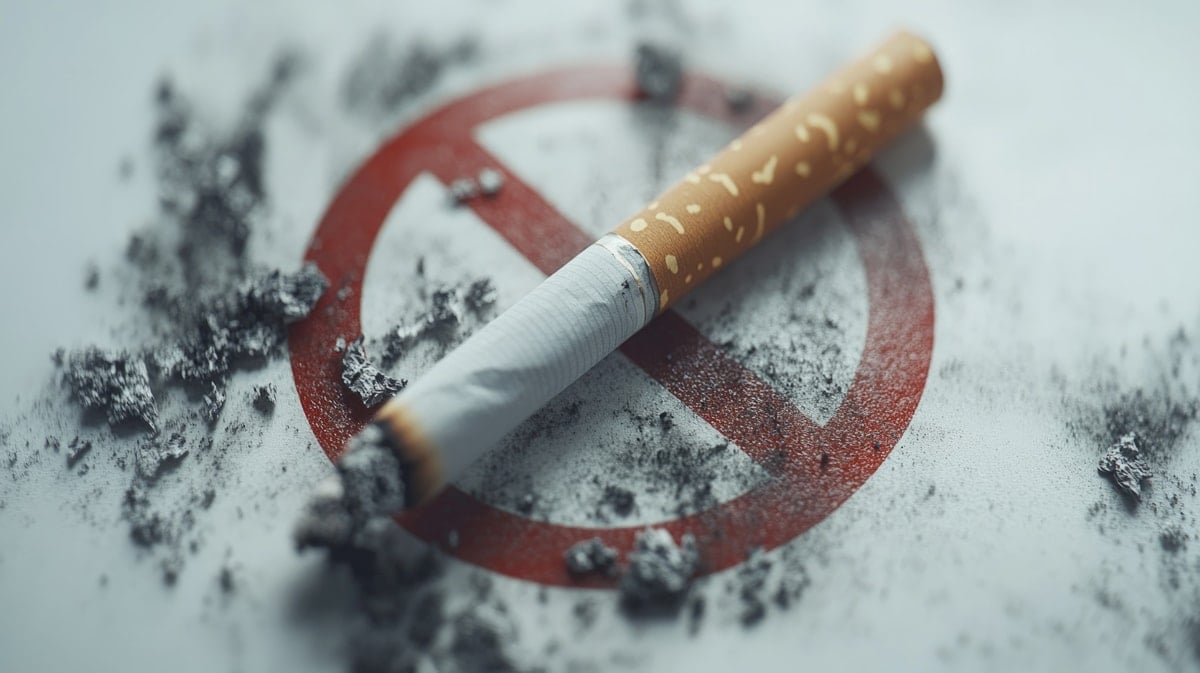
Ultimately, lung cancer is a preventable disease. Avoiding smoking, minimizing exposure to secondhand smoke, and staying away from other risk factors are the most effective ways to protect your lung health.
