
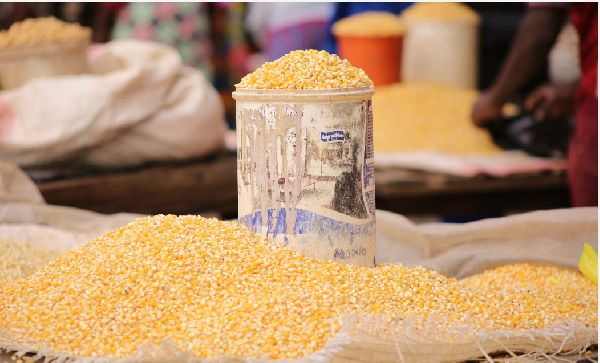
Maize Prices Plummet in Ghana’s Sissala Enclave, Farmers Face Losses
Maize farmers in the Sissala area of Ghana are facing significant financial hardship as prices for their harvest have dropped dramatically, falling from GH¢500.00 to GH¢200.00 per 100kg bag this season.
The price collapse, representing nearly a 60 percent decrease, has left thousands of farmers in the Sissala East, Sissala West, and Wa East Districts struggling to recoup their investments. Reports from the Tumu market indicate numerous bags of maize remain unsold, with buyers offering as little as GH¢200.00 per bag. This situation threatens the livelihoods of farmers in a region known for its maize production, potentially impacting food security in the area.
“I don’t know how I will repay the loan I took from the bank and other people (labourers) who supported me in the farm,” lamented Adinan Bajin, a commercial maize farmer from Welembelle. Farmers cite soaring production costs – a 50kg bag of fertilizer costing around GH¢600 – coupled with the depressed market price, making harvesting barely worthwhile. Shaibu Haruna, a farmer in Bujan, stated, “Buyers are offering just GH¢200 per bag. It doesn’t make sense, we’re better off leaving the maize on the farm.” The issue is compounded by existing stocks from last year and a projected harvest of an estimated one million tonnes from the three districts, raising fears of widespread spoilage. You can learn more about agricultural challenges in Ghana from the Food and Agriculture Organization of the United Nations.
Officials warn of potential economic hardship in the region without intervention. Mahama Salifu, the Sissala East Municipal Director of Agriculture, highlighted the need for guaranteed pricing and export support, suggesting the GH¢100 million grain-buying program by the Buffer Stock Company could offer some relief. Eric Tergu, a veterinary officer, also pointed to the potential of the government’s “nkoko nkitinkiti” poultry production policy to absorb some of the excess maize, as detailed in recent reports.
Authorities are urging swift action to address the crisis and prevent further losses for farmers, with discussions ongoing regarding potential solutions to stabilize the market and support the rural economy.
