
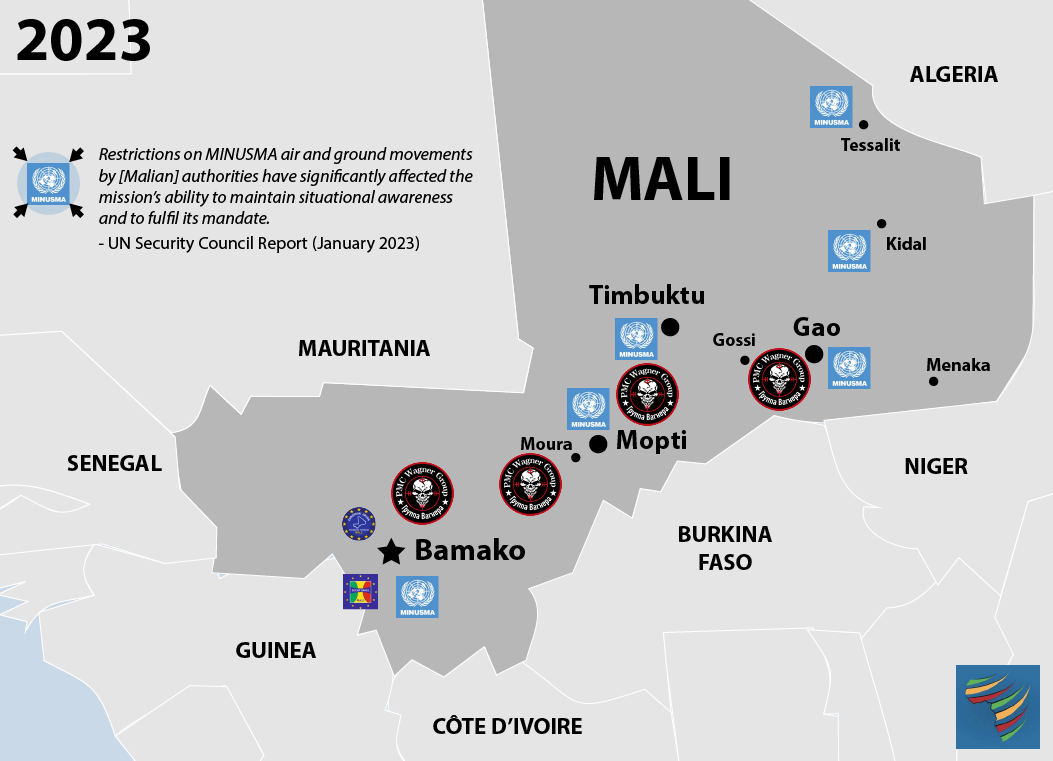
Jihadist groups in Mali have called for a broad “common front” to oust the current military junta, escalating tensions in the Sahel region. The call to arms, issued by the Jama’at Nasr al-Islam wal Muslimin (JNIM), comes as the group simultaneously imposed a road blockade on the capital, Bamako, according to reports.
JNIM, which is aligned with Al-Qaeda, is seeking what it describes as a “peaceful and inclusive transition” in Mali. The group’s statement represents a significant challenge to the authority of the ruling junta and highlights the complex security landscape facing the country.
The move by JNIM follows threats to blockade Bamako, signaling an intent to pressure the government. This development underscores growing regional instability and the potential for increased violence in Mali.
The situation is further complicated by the stance of Russia, which has refused requests from Tuareg rebels to withdraw its forces from Mali. This refusal suggests continued external involvement in the conflict and a reluctance to relinquish influence in the region.
Analysts suggest that the fall of Mali to jihadist control would pose a serious threat to neighboring Côte d’Ivoire. The potential for regional spillover effects is a major concern for international observers.
The current unrest raises questions about the possible scenarios for Mali’s future, including the potential for a prolonged conflict or a negotiated settlement. The announcement could influence future diplomatic talks and efforts to stabilize the region.
