
EU Battles Surging Energy Costs With Temporary State Aid Framework
The European Union is navigating a precarious financial balance as it manages an energy crisis that is costing the bloc an estimated €500 million per day. To mitigate the economic impact on member states, the EU has approved a temporary framework for state aid known as Metsaf.
This financial strain is largely viewed as the European cost of the war, forcing the union to rely on specialized mechanisms to handle expensive energy costs through strategic assistance.
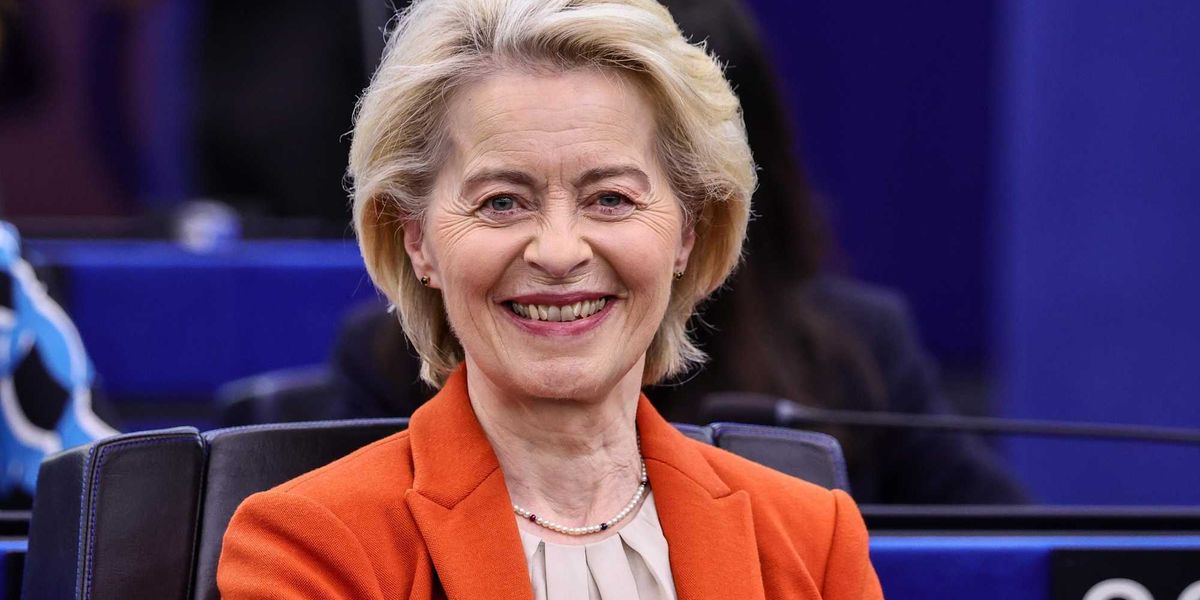
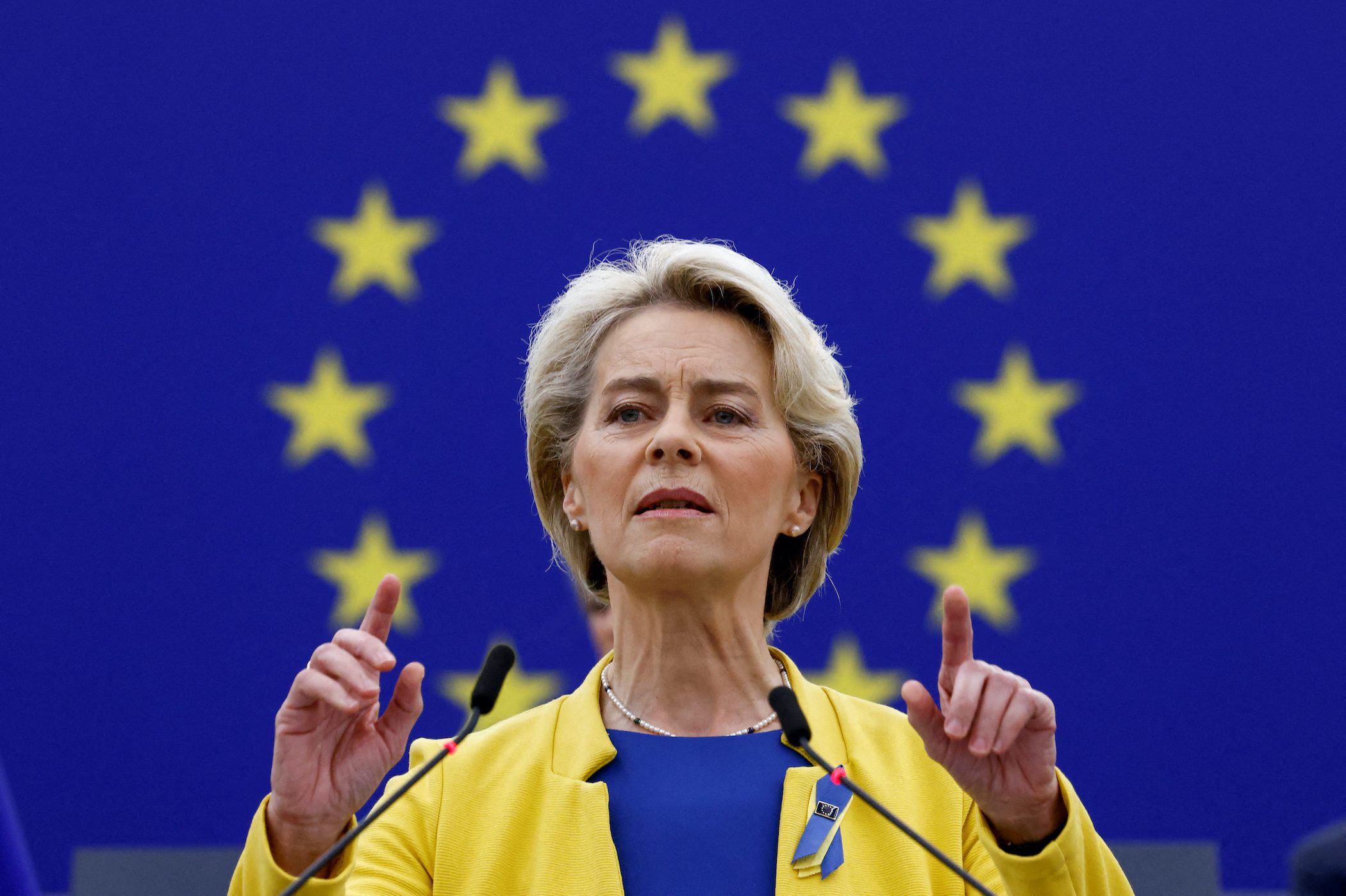
Still, European Commission President Ursula von der Leyen has signaled a need for restraint. While acknowledging the necessity of support, von der Leyen warned that €500 million is being spent every day, stressing that any such measures must remain “targeted and temporary.”
This crisis, further complicated by instability in the Gulf, has reignited momentum for the European Green Deal as a path toward energy independence. Von der Leyen has highlighted Sweden as a leading “green example” for other EU nations to follow.
The EU’s struggle to balance immediate relief with long-term fiscal discipline underscores the broader global challenge of decoupling from volatile energy markets while maintaining economic stability.
