
Astronauts Face Up to 1.5% Monthly Bone Mass Loss Due to Microgravity
The return of NASA’s Artemis II mission from the far side of the Moon has reignited a critical scientific discussion regarding the physiological toll of deep-space exploration. Experts are highlighting the severe impact of microgravity on human health, specifically the rapid deterioration of bone and muscle mass, which provides vital insights into treating skeletal diseases on Earth.
According to Dr. Laia Gifre, a rheumatologist at Hospital Universitari Germans Trias i Pujol in Badalona and spokesperson for the Spanish Society of Rheumatology (SER), the lack of gravitational load leads to a significant decline in musculoskeletal health. In the absence of the mechanical stress required to maintain bone density and quality, astronauts experience a marked loss of bone mass.
The Speed and Scale of Bone Loss
The rate of skeletal degradation in space is strikingly fast. Dr. Gifre notes that bone mass loss in the total femur has been quantified at between 1% and 1.5% per month of microgravity. This deterioration occurs linearly over time and is not uniform across the body; the lower extremities, particularly the proximal femur, are most heavily affected.
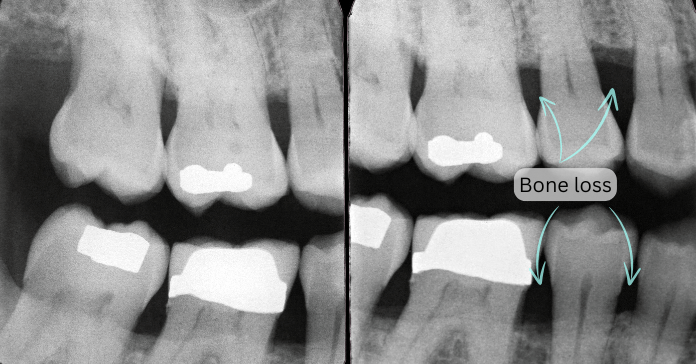
This process does more than just weaken the skeleton. As bone density drops, calcium is released into the bloodstream, which can lead to serious clinical complications, including vascular calcification and the formation of kidney stones (renal lithiasis).
Muscle Atrophy and Systemic Changes
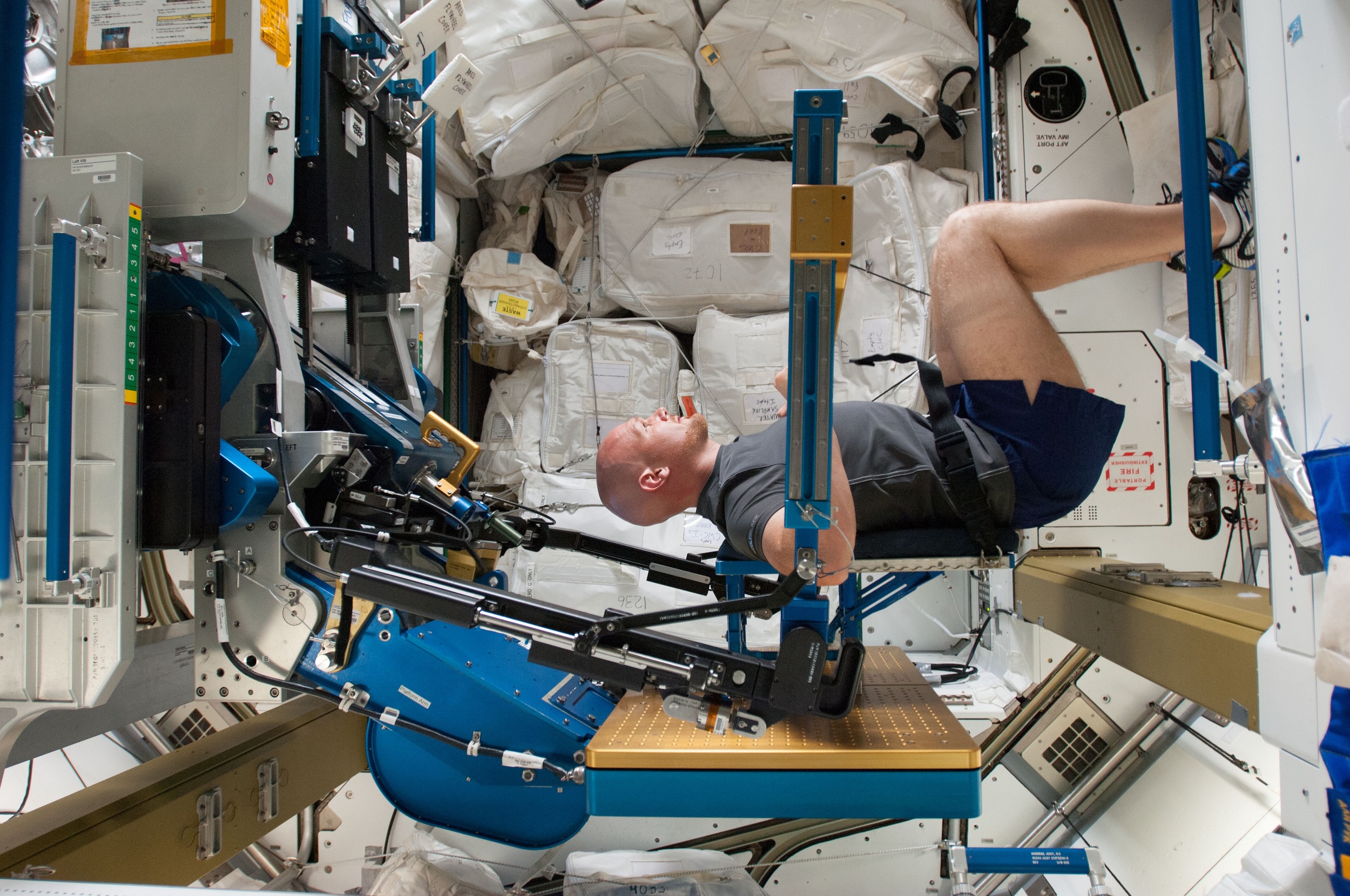
The impact on the muscular system often precedes bone loss. Dr. Gifre, who as well serves as vice president of the Spanish Society for Bone Research and Mineral Metabolism (SEIOMM), explains that muscle mass loss can reach 1% per month, primarily affecting the lower limbs. Even with the use of muscle-strengthening exercises, astronauts still face a significant decline in both mass and function.
In longer-duration missions, the effects are even more pronounced, with documented losses of up to 15% of muscle mass and a 32% decrease in overall muscle strength. Beyond the musculoskeletal system, the state of weightlessness triggers other systemic shifts, including hormonal imbalances—often linked to the absence of a circadian rhythm—cardiovascular changes, and sleep disturbances.
Implications for Global Health
Studying these extreme conditions is not only essential for the safety of astronauts but also holds significant potential for public health on Earth. Understanding how microgravity accelerates bone loss can help researchers better comprehend diseases like osteoporosis and develop more effective treatments for the general population.
This research underscores the ongoing challenge of maintaining human health during long-term space missions and emphasizes the link between mechanical loading and skeletal integrity.
