
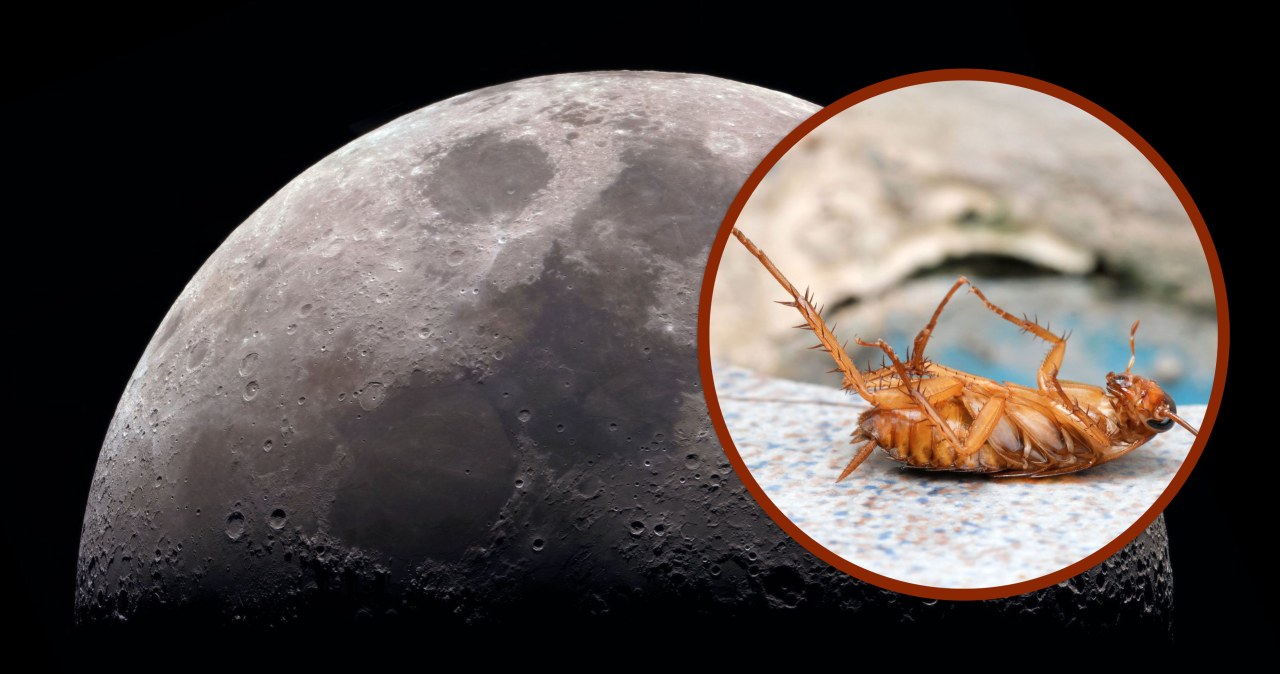
NASA Utilized Insects to Ensure Safety of Lunar Sample Analysis
In an unconventional approach to planetary protection, NASA turned to the resilience of insects to validate the safety of materials retrieved from the Moon. To prevent potential biological or chemical hazards from affecting human researchers, NASA’s safety protocols for lunar samples involved using cockroaches as biological indicators.

The research went beyond simple exposure; scientists conducted experiments feeding lunar dust to cockroaches and shrimp. By observing the physiological reactions of these organisms, the agency could better determine the toxicity of the lunar regolith before it was handled in laboratory settings. This cautious methodology underscores the extreme precautions required when interacting with extraterrestrial matter to ensure human safety.
Lingering Questions on Lunar Origins
While these biological tests paved the way for safer scientific study, the Moon itself continues to present fundamental mysteries. Despite decades of research, there are ongoing mysteries surrounding the Moon’s origin, as new data continues to raise questions regarding how the satellite was originally formed.
The integration of biological experimentation and geological analysis demonstrates the multifaceted nature of modern space exploration, where the study of Earth’s most resilient creatures helps unlock the secrets of the cosmos.
