
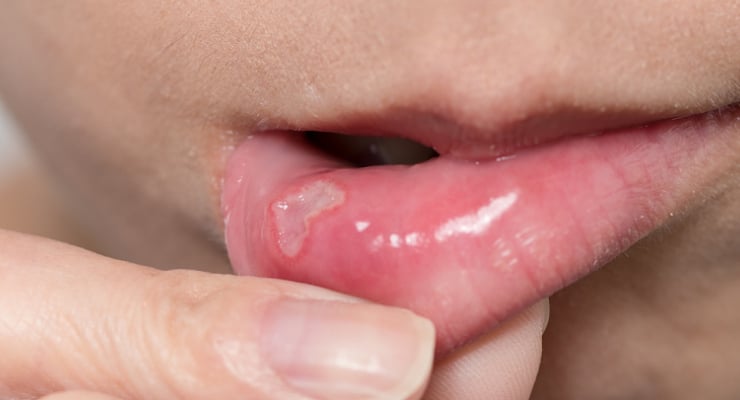
Many foods can trigger mouth sores, also known as canker sores. Understanding the potential dietary culprits and when to seek medical attention is key to managing this common condition.
Canker sores are surprisingly common, affecting approximately one in four people. According to Dr. Lucy Hooper, “the vast majority are harmless and usually heal completely within 7-10 days.” This widespread occurrence highlights the importance of understanding potential triggers and preventative measures.
Recent reports suggest that canker sores may be quicker to heal, or even prevented altogether, through dietary adjustments, decent oral hygiene, and awareness of certain medications and ingredients.
What Causes Canker Sores?
These round or oval sores often develop from minor trauma, such as accidentally biting the inside of your mouth. Dr. Hooper notes that genetics, hormonal changes, and viral infections can also play a role. Individuals with autoimmune conditions like Crohn’s disease and celiac disease, or those undergoing chemotherapy, may be more susceptible.
Certain everyday medications, including ibuprofen, have also been linked to the development of mouth sores. However, stress is the most common trigger. Dr. Hooper explains that “stress causes inflammation, and when there is inflammation in the body, it can affect your mouth.”
Can Diet Contribute to Canker Sores?
Research indicates that deficiencies in vitamin B12, iron, folic acid, and zinc are common causes of mouth sores. Dr. Hooper points out that those who avoid meat, eggs, seafood, and dairy products may be at increased risk.
“This doesn’t mean you can’t have a great diet as a vegan or vegetarian, but when you remove certain food groups from your diet, you need to make sure you’re getting all of these vitamins,” she says.
For those following a plant-based diet, Dr. Hooper recommends:
- Choosing plant-based milks fortified with B12.
- Consuming plenty of chickpeas, peanuts, and quinoa for zinc.
- Including dark green vegetables and beans in meals for folate.
- Eating iron-rich vegetables like spinach.
Foods and Drinks That Can Cause or Worsen Mouth Sores
Alcohol, carbonated beverages, and citrus fruits are not ideal for those prone to canker sores. Dr. Hooper explains that frequent consumption of acidic foods and drinks lowers the pH level in the mouth, disrupting the protective layer.
This disruption damages important protective proteins, making the mouth more vulnerable to sores. However, some less-known triggers also exist. Dr. Hooper states, “Strawberries and tomatoes are two foods that people don’t associate with [acidity] but can trigger mouth sores.”
She also advises avoiding spicy and salty foods, as “they irritate the inside of the mouth and sensitive mucous membranes, which can be enough to trigger a canker sore.”
If you already have a mouth sore, Dr. Hooper emphasizes the importance of considering food texture: “Avoid anything hard, crunchy, or sharp. Even trying to chew a crusty piece of bread or something similar will be uncomfortable.”
Hygiene is Key
According to Dr. Hooper, flossing and regular dental checkups are also important. You might also consider switching toothpaste brands if your current toothpaste contains sodium lauryl sulfate (SLS), a common ingredient used for foaming and cleaning.
Research has shown that SLS-free toothpaste can reduce the occurrence and pain of mouth sores.
When to Seek Medical Attention
Most canker sores are small. However, it’s best to receive sores larger than one centimeter, lasting longer than two weeks, or accompanied by other symptoms checked by a healthcare professional. A blood test may be necessary to check for any vitamin or mineral deficiencies.
Dr. Hooper notes that anyone can experience a canker sore once or twice, but cautions those who experience them frequently: “If accompanied by other symptoms such as severe pain or fever, abdominal or joint pain, underlying causes need to be investigated.”
