
New Mpox Variant Spreads in US and Europe, Raising Public Health Concerns
A newer variant of mpox, previously known as monkeypox, is currently spreading through communities in the United States and several European countries, though the overall risk to the general public remains low.
California health officials announced three cases of the variant, known as clade Ib, in October. The patients – two in Los Angeles and one in Long Beach – were hospitalized but are now recovering. Notably, these cases appear to be unrelated and occurred without recent international travel, suggesting undetected community transmission. This marks the first instance of community spread in the US, following six cases identified in travelers. Similar community transmission has been reported in Spain, Italy, the Netherlands, and Portugal, while the older variant continues to circulate globally. The World Health Organization has reported over 44,000 mpox cases so far in 2025, exceeding the total reported for all of 2024.
According to the American Hospital Association, preliminary genomic analysis suggests the California cases may be linked to a travel case from August, as indicated by the US Centers for Disease Control and Prevention in an advisory. Genomic epidemiologist Miguel Paredes of the University of Washington noted, “Given that the three cases in Los Angeles were all hospitalized, that lends a little bit more credence to the idea that maybe there is local transmission going on.” A recent, yet-to-be peer-reviewed study co-authored by Paredes estimates that only about one in 33 cases of the older mpox variant are currently being detected in Los Angeles, highlighting potential underreporting. Effective surveillance is crucial, as vaccination can lead to milder illness, making detection more difficult; learn more about mpox prevention and symptoms from the CDC.
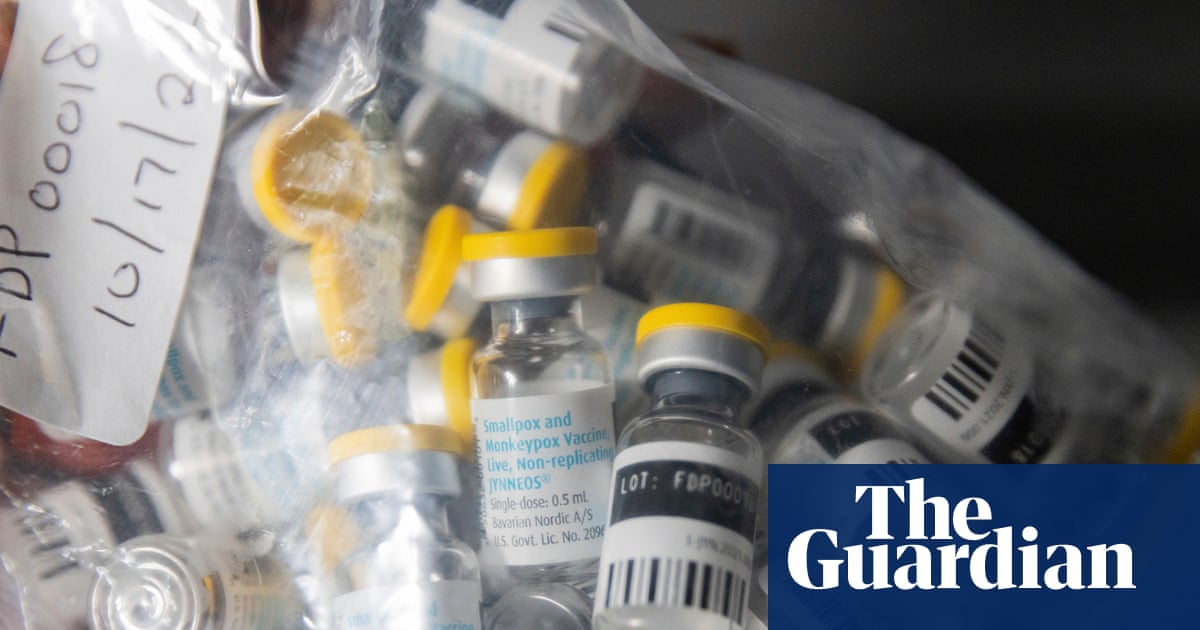
While the 2022 outbreak of the clade IIb variant disproportionately affected men who have sex with men, the new variant appears to be spreading more evenly across genders, typically affecting individuals aged 25 to 40. Experts emphasize the importance of proactive monitoring, including wastewater sampling, and continued vaccination efforts, particularly among at-risk populations. The current outbreak underscores the fragility of public health infrastructure, as government shutdowns and staffing reductions at agencies like the CDC could hinder response efforts.
Officials are continuing to investigate the spread and are urging individuals at higher risk to consider vaccination.
