

Woman Nearly Loses Toe After Pedicure: How a Routine Treatment Turned Dangerous
A seemingly ordinary trip to the nail salon left an Australian woman fighting for her toe—and nearly losing it to a severe infection. The incident serves as a stark reminder of how quickly routine cosmetic procedures can spiral into medical emergencies when proper hygiene protocols aren’t followed.
Kayla Wilcock, a resident of Perth, Western Australia, visited a local nail salon on April 22, 2026, for a standard pedicure. Along with nail care, she opted for callus removal using a pumice stone to smooth the hardened skin beneath her big toe. What followed was a rapid deterioration that would require emergency medical intervention.
The First Signs of Trouble
Just two days after her salon visit, Wilcock woke up to excruciating pain in her big toe. “I couldn’t walk properly,” she later recalled. “The pain was unbearable.” By 3 a.m. On April 24, the situation had worsened dramatically. She noticed her toe had turned bright red, with the area beneath her nail darkening to an alarming black color. Chills and nausea soon followed, prompting an immediate trip to the hospital.
Doctors diagnosed Wilcock with early-stage sepsis—a life-threatening condition where the body’s response to infection causes widespread inflammation. Her toe was filled with pus, though fortunately, the infection hadn’t yet reached the bone. This spared her from amputation, but the ordeal was far from over.
A Fight Against Infection
Wilcock was admitted to the hospital, where she began an aggressive course of intravenous antibiotics. The treatment wasn’t without complications. A blood clot developed, extending her stay and requiring additional medical care. Although she avoided losing her toe, the recovery process has been grueling.
“The doctors told me the tools used for my nail care were likely the source of the initial infection,” Wilcock said. “It seems the instruments weren’t properly sterilized and were just sitting on a cart before being used on me.”
Salon Safety Under Scrutiny
In Australia, nail salons, tattoo parlors and piercing studios are subject to health regulations, including regular inspections by environmental health officers to ensure compliance with hygiene standards. Following Wilcock’s experience, local authorities launched an investigation into the salon’s practices.
Wilcock filed a formal complaint with her local council, prompting an environmental health officer to examine the salon’s sanitation protocols. While the investigation is ongoing, the case has reignited conversations about the importance of strict hygiene in personal care settings.
Why This Matters for Public Health
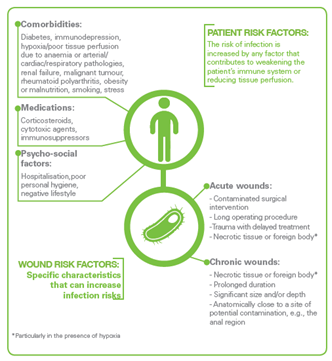
Callus removal and pedicures are common services, but they carry risks when performed improperly. Breaks in the skin—even microscopic ones—can serve as entry points for bacteria, leading to infections that may spread beyond the initial site. Sepsis, while treatable in its early stages, can turn into fatal if not addressed promptly.
Health experts emphasize that consumers should be vigilant when choosing personal care providers. “Always question about sterilization practices,” advises Dr. Sarah Chen, an infectious disease specialist not involved in Wilcock’s case. “Reputable salons should use single-use tools or properly sterilized equipment. If something doesn’t look clean, don’t hesitate to exit.”
What to Watch For After Foot Treatments
Wilcock’s experience highlights the importance of monitoring for signs of infection after any procedure that breaks the skin. Symptoms to watch for include:
- Increasing pain, redness, or swelling at the treatment site
- Discoloration (darkening or unusual color changes)
- Pus or foul-smelling discharge
- Fever, chills, or nausea
- Difficulty walking or bearing weight on the affected foot
If any of these symptoms appear, seek medical attention immediately. Early intervention can prevent complications like sepsis and reduce the risk of long-term damage.
For now, Wilcock continues her recovery, grateful to have avoided a far worse outcome. Her story serves as a cautionary tale about the hidden dangers lurking in everyday beauty routines—and the critical importance of hygiene in personal care settings.
