

French Road Freight Sector on the Brink as Bankruptcies Surge and Profit Margins Collapse
The French road freight industry is facing an unprecedented crisis, with companies collapsing at a rate of 10 per working day and profit margins shrinking to some of the lowest in Europe. Industry leaders warn that the sector’s business model has reached a breaking point, with no immediate relief in sight.
According to data released by France’s transport and logistics federation, Union TLF, 645 road freight companies filed for insolvency in the second quarter of 2025 alone—a 7% increase from the same period last year and a staggering 55% jump over two years. The figures mark a sharp reversal from the typical spring recovery pattern, signaling deep structural problems rather than a temporary downturn.
“Our model has reached its limits,” said the president of the Lot-et-Garonne road transport union, reflecting a growing sentiment among industry operators. “We’re being squeezed from all sides—rising costs, stagnant rates and regulatory pressures that make it nearly impossible to stay afloat.”
Profit Margins Plummet to Near-Unsustainable Levels
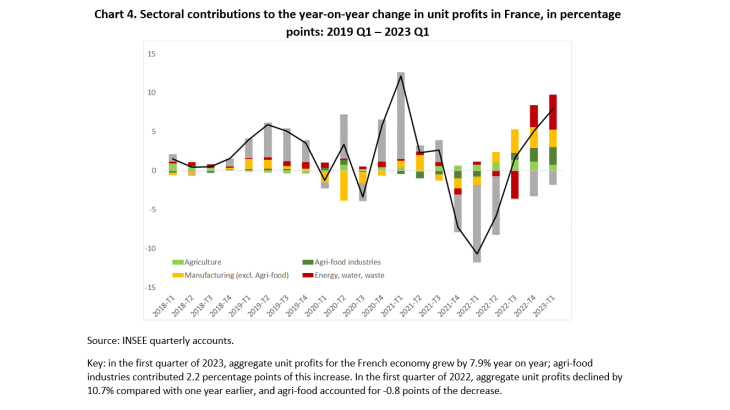
The financial strain on French hauliers has become unsustainable, with sector-wide profit margins now hovering between just 2% and 3%—among the lowest in the French economy and well below European competitors. Union TLF attributes the margin squeeze to what it describes as a “punitive fiscal and regulatory environment,” which has eroded the competitiveness of French operators.
The crisis extends beyond France’s borders, disrupting international supply chains and European logistics networks. Delivery delays, price hikes, and potential supply shortages are becoming more frequent as companies struggle to maintain service levels. Employment in the sector has also contracted, with the workforce shrinking by 1.1% over the past two years, leaving just 425,800 workers as of March 2025.
Cash flow remains critically weak across the industry, with treasury positions significantly below historical averages. This financial fragility is limiting companies’ ability to invest in latest equipment or expand services, further exacerbating operational challenges.
Fuel Price Surge Adds to Industry Woes
The situation has been compounded by a recent spike in fuel prices, which has pushed many smaller operators to the brink. In Sourdeval, a town in Normandy, local hauliers told reporters they have “no reserves left” and are barely keeping their businesses running. “We’re one bad month away from shutting down,” one operator said. “The government keeps talking about support, but nothing’s reaching us.”
The industry’s struggles have not gone unnoticed by policymakers. A 2025-2026 logistics roadmap released by the French government acknowledges the sector’s critical role in national economic performance but offers little in the way of immediate relief. Meanwhile, long-term forecasts suggest only modest stabilization in the coming years, with the BALM 2026-2029 projections indicating a slow recovery rather than a rapid turnaround.
Regulatory Pressures and Economic Headwinds
Beyond financial constraints, the industry is grappling with increasingly stringent environmental regulations. The European Union’s target to reduce CO₂ emissions from heavy goods vehicles by 30% by 2030 (compared to 2019 levels) is forcing hauliers to invest in greener fleets and alternative fuels. While necessary for sustainability, these changes come at a time when many companies can barely cover their existing costs.
“We’re being asked to modernize, but no one’s giving us the means to do it,” said one industry representative. “The government talks about transition, but we’re the ones paying the price.”
With business confidence in the sector plummeting to 97.2 points in August 2025—well below long-term averages—nearly half of company directors cite insufficient demand as a major concern. The combination of weak demand, rising costs, and regulatory burdens has created a perfect storm, leaving many operators questioning whether the industry can survive in its current form.
As the crisis deepens, industry leaders are calling for urgent government intervention, warning that without immediate support, the collapse of more companies could trigger broader disruptions across Europe’s supply chains.
Le secteur du transport routier en France est au bord de l’effondrement. 10 entreprises font faillite chaque jour. Les marges sont à 2-3%, les coûts explosent, et l’État ne répond pas. #TransportCrisis
— Union TLF (@UnionTLF) April 27, 2026
