
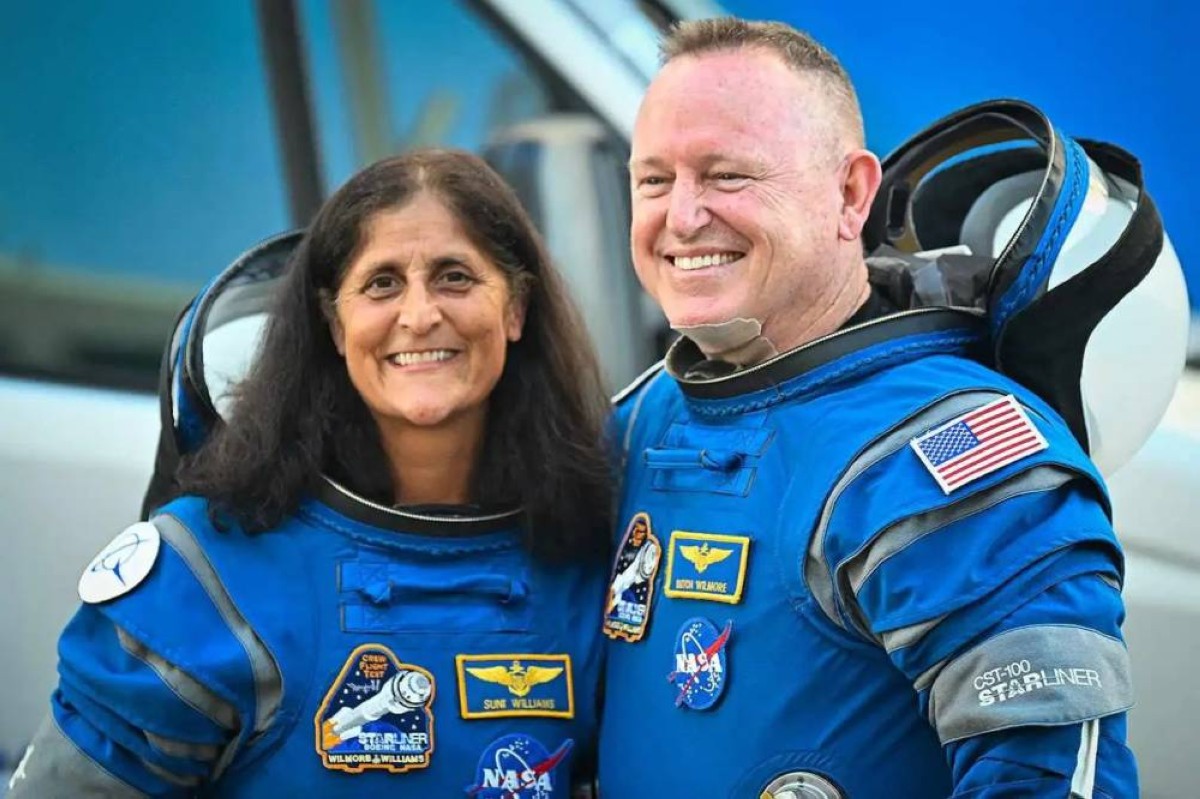
After 288 days in space, what happened to NASA astronauts upon returning to Earth? Two NASA astronauts who spent 288 days aboard the International Space Station have begun readjusting to life on Earth following their return from a long-duration mission. Their extended stay in microgravity has prompted medical evaluations to assess the physiological effects of prolonged spaceflight, a routine part of NASA’s post-mission health monitoring protocol. Upon landing, the crew underwent immediate medical checks to monitor cardiovascular function, muscle strength, bone density, and neurological responses — standard procedures designed to detect any changes associated with extended exposure to weightlessness. Researchers noted that such missions provide critical data on how the human body adapts to space environments, informing future missions to the Moon and Mars. The astronauts reported experiencing temporary symptoms common after long spaceflights, including dizziness, fatigue, and difficulty with balance, as their bodies relearned how to operate under Earth’s gravity. These effects are expected and typically improve over days to weeks with targeted rehabilitation. NASA’s Human Research Program continues to study the impacts of spaceflight on astronaut health, using data from missions like this one to refine countermeasures such as exercise regimens, nutrition plans, and medical monitoring. The findings help ensure crew safety and performance during future deep-space exploration. While the astronauts are now recovering under medical supervision, their mission contributes valuable insights into the challenges of long-duration space travel. Understanding these effects is essential not only for astronaut well-being but also for advancing the feasibility of human exploration beyond low Earth orbit. The mission underscores the importance of ongoing research into space medicine, which has broader implications for understanding aging, muscle atrophy, and bone loss — conditions relevant to health on Earth as well.
NASA Astronauts’ Return After 288 Days in Space
13
