
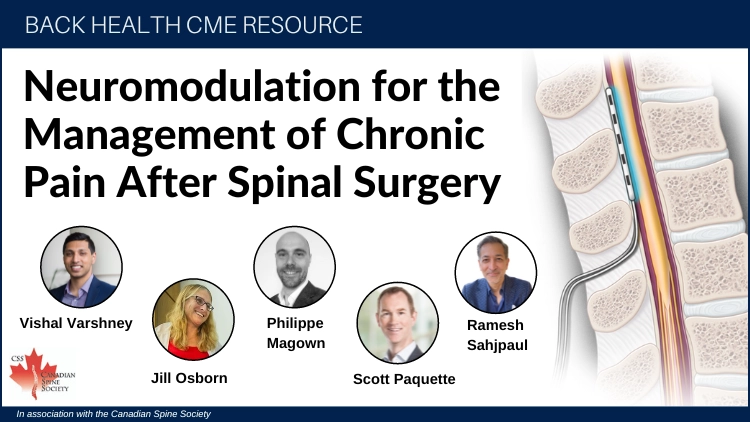
Neuromodulation techniques are advancing as a treatment option for chronic pain and mental health conditions, according to recent developments in Brazil.
Non-invasive brain stimulation, originally used to treat hiccups in former Brazilian President Jair Bolsonaro, is now being explored for broader applications in managing chronic pain. The method involves targeting specific neural pathways to modulate pain signals without invasive procedures.
Beyond pain management, neuromodulation is gaining traction in mental health care. Experts note its potential in treating anxiety, depression and burnout, offering an alternative or complementary approach to traditional therapies. The technique works by regulating brain activity in regions associated with mood and stress response.
neuromodulation is being investigated as a possible treatment for tinnitus, a condition characterized by persistent ringing in the ears. Early research suggests that modulating auditory neural circuits may help reduce the perception of phantom sounds.
These developments reflect a growing interest in neuromodulation across multiple health domains. While further study is needed to fully understand long-term efficacy and optimal protocols, the non-invasive nature of the technology makes it an appealing option for patients seeking alternatives to medication or surgery.
The expansion of neuromodulation into areas like chronic pain, mental health, and auditory disorders highlights its versatility as a therapeutic tool. As research progresses, it may become a more widely accessible option for individuals dealing with treatment-resistant conditions.
