
The ‘color-changing fish’ has emerged as a rapid innovation in aquatic technology, according to recent reports. Scientists have highlighted its ability to shift hues with remarkable speed, drawing comparisons to natural camouflage mechanisms observed in marine life. This development underscores ongoing advancements in bio-inspired design and real-time adaptive systems. The technology’s potential applications span environmental monitoring and interactive displays, reflecting broader trends in responsive material science. Researchers note that such innovations could accelerate progress in fields requiring dynamic visual feedback, from underwater robotics to augmented reality interfaces. The breakthrough aligns with growing interest in nature-derived solutions for complex engineering challenges. As testing continues, experts anticipate further refinements in response time and color spectrum range. The project remains in early stages, with no commercial release timeline disclosed. Observers suggest the work exemplifies how interdisciplinary collaboration drives tangible breakthroughs in emerging tech sectors. Continued study will focus on scalability and energy efficiency under varying conditions. The development contributes to a growing body of work merging biology with digital innovation. No external partnerships or funding details were specified in available reports. The findings were shared through academic channels prior to public demonstration. Ongoing evaluation aims to validate performance metrics in controlled environments. The technology represents one of several recent efforts to mimic biological adaptability in synthetic systems. Its unveiling has sparked discussion about future applications in both consumer and industrial contexts. Analysts emphasize the importance of peer validation before broader adoption claims. The research team plans to publish detailed methodologies in forthcoming technical journals. Current limitations include sensitivity to temperature fluctuations and power consumption rates. Future iterations may address these constraints through material optimization. The innovation joins a wave of bio-hybrid technologies gaining traction in global R&D circles. No safety concerns have been reported during initial trials. The project’s core mechanism relies on specialized pigment cells activated by external stimuli. This approach differs from existing color-shifting technologies that rely solely on electronic displays. Experts note the biological basis offers potential advantages in organic integration and responsiveness. The development does not involve genetic modification of living organisms, according to preliminary descriptions. Instead, it utilizes engineered materials inspired by natural cephalopod skin structures. Such distinctions are critical for assessing regulatory and ethical implications. The work contributes to ongoing dialogues about responsible innovation in biomimetic engineering. Stakeholders are monitoring progress for potential cross-sector applications. No patents or proprietary claims have been referenced in public disclosures. The technology remains under academic investigation with no indication of immediate productization. Researchers stress that real-world deployment would require extensive validation beyond laboratory settings. The announcement follows similar breakthroughs in adaptive materials reported over the past year. These include light-responsive polymers and shape-memory alloys inspired by plant movements. Together, they signal a shift toward systems that dynamically interact with their surroundings. The color-changing fish prototype exemplifies this trajectory through its rapid, stimulus-driven transformation. Its development highlights the value of studying natural models for technological inspiration. As research advances, the focus will shift toward practical implementation challenges. The scientific community awaits further data on long-term stability and environmental interaction. For now, the innovation stands as a proof of concept in adaptive interface design. Its significance lies in demonstrating what is achievable when biology informs engineering principles. Continued exploration may unlock new possibilities in human-machine interaction and sensory feedback systems. The project underscores the role of curiosity-driven research in pushing technological boundaries. No timelines have been established for next-phase testing or field trials. Observers recommend tracking peer-reviewed publications for verified updates. The work contributes to a broader narrative of science turning toward nature for solutions to modern challenges. As such, it reflects an evolving mindset in tech development that values observation and imitation over pure invention. This approach is increasingly seen as vital for creating sustainable, resilient technologies. The color-changing fish serves as a tangible example of that philosophy in action. Its story is still unfolding, with each phase offering insights into the potential of biomimicry. For now, the scientific community views it as a promising step toward more responsive, life-like technologies. The emphasis remains on learning from nature rather than replicating it exactly. That distinction, researchers say, is where true innovation often begins.
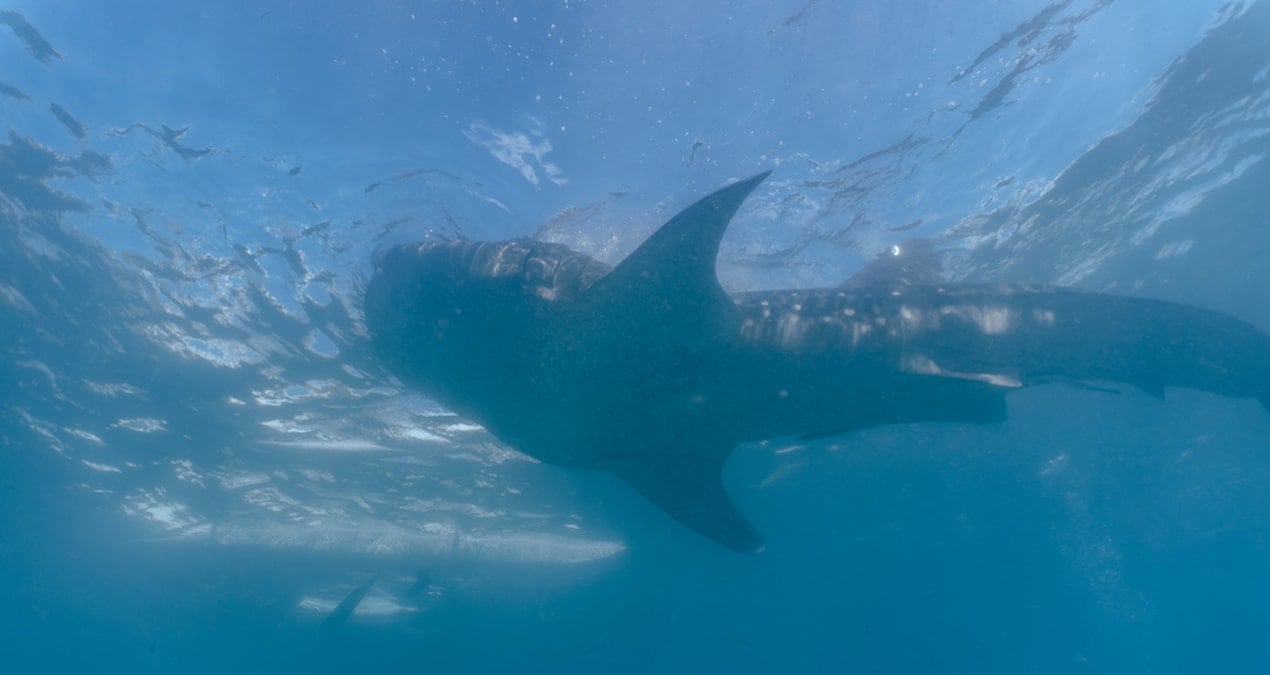
Color-Changing Fish Discovered: Faster Than a Chameleon in Nature’s Color Shift Breakthrough
3
