
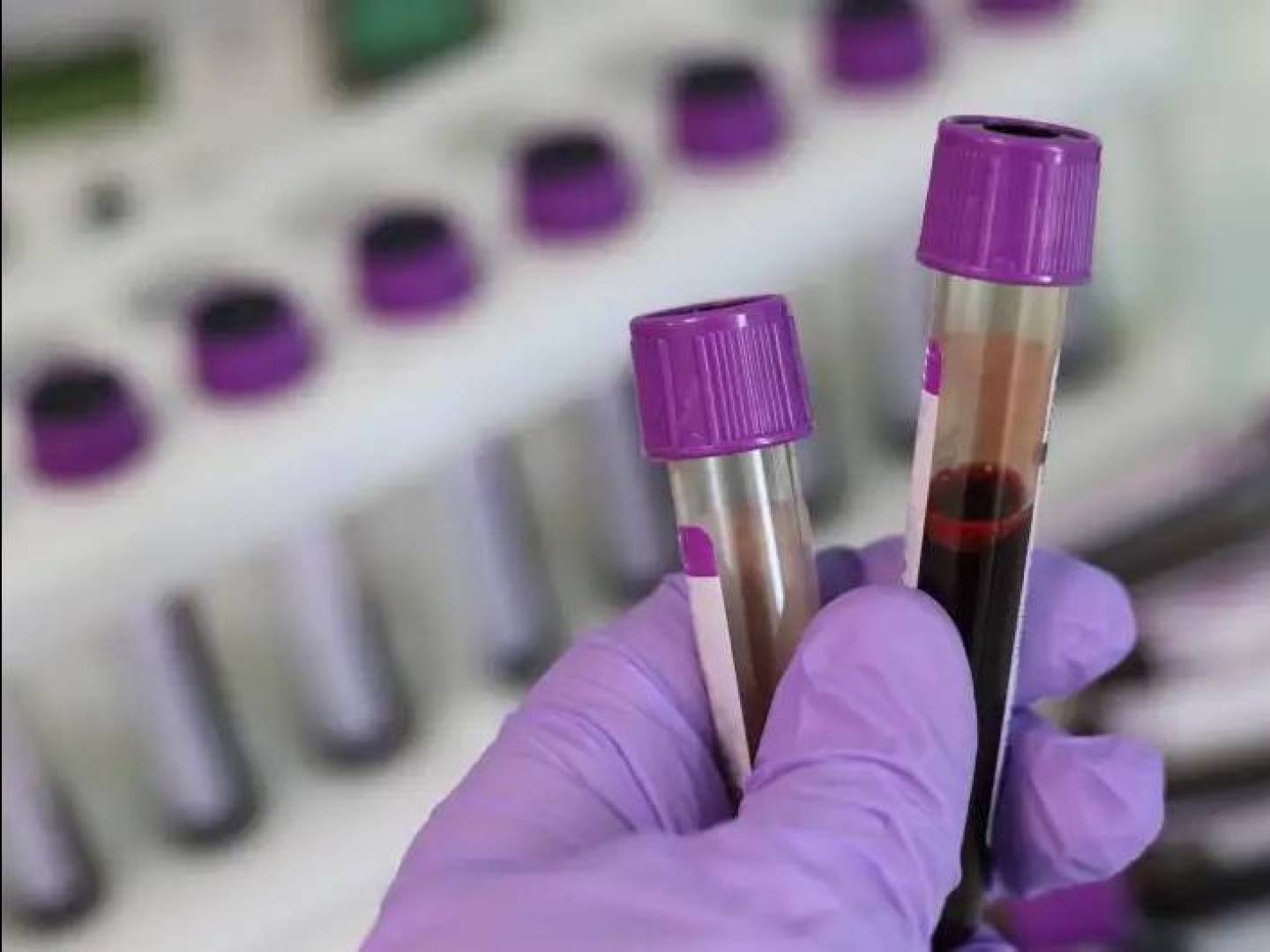
Israeli scientists have developed a simple blood test that could eliminate the need for painful bone marrow biopsies in diagnosing blood cancers, according to a report from July 2025.
The breakthrough, announced on July 10, 2025, by researchers in Jerusalem, offers a potential alternative to invasive procedures used to detect lymphocytic blood cancers. The new test assesses the risk of developing blood cancer through a routine blood draw, which may one day replace the need for bone marrow aspiration.
In related advancements, researchers at the Dana-Farber Cancer Institute have introduced a novel technique called SWIFT-seq, which uses single-cell sequencing to analyze circulating tumor cells in the blood. This method provides a minimally invasive alternative to traditional bone marrow biopsies for diagnosing and monitoring multiple myeloma and its precursor conditions.
According to findings published in Nature Cancer, the SWIFT-seq approach was tested on 101 patients and healthy volunteers. It successfully detected circulating tumor cells in 90% of patients, including 95% of those with smoldering multiple myeloma and 94% of newly diagnosed multiple myeloma cases.
Dr. Erin M. Gebrael, lead author of the study, emphasized the importance of such tools in improving patient care, noting that while genomic and transcriptional markers linked to poorer outcomes in multiple myeloma have been identified, reliable clinical tests to measure them have been lacking.
The development of these blood-based diagnostics represents a significant step toward reducing patient discomfort and increasing the frequency of monitoring for individuals at risk of or living with blood cancers. By avoiding repeated invasive procedures, patients may experience improved quality of life and more timely adjustments to treatment plans based on real-time biological insights.
