
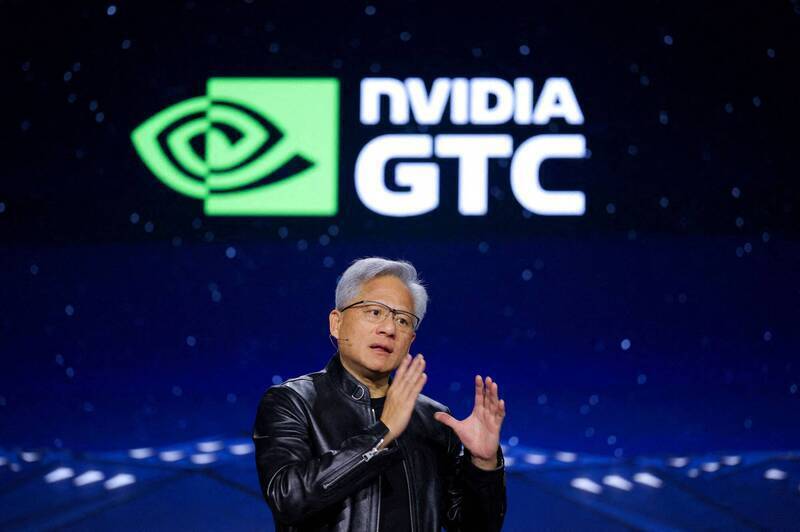
NVIDIA Market Share in China Hits Zero as Export Controls Benefit Huawei
NVIDIA CEO Jensen Huang has revealed that the company’s market share in China has plummeted to zero, warning that current U.S. Export restrictions are producing counterproductive
results. This collapse in regional presence underscores the escalating tension between technological leadership and national security policies, as reported by Liberty Finance and Knowledge News.
The loss of market access has forced a critical reevaluation of the company’s strategy in one of the world’s largest semiconductor markets. Huang has urged U.S. Policymakers to adopt a more flexible approach, suggesting that government policies should be dynamically adjusted to avoid inadvertently aiding foreign competitors.
The impact of these restrictions is already manifesting in the product pipeline. NVIDIA’s H200 chips are reportedly facing significant sales hurdles within China, creating a vacuum that local competitors are quickly filling. According to data highlighted by Yahoo News and Fortune Link, Huawei is positioned to capitalize on this shift, with projections indicating that sales of Huawei’s AI chips will increase by 60% by 2026.
This shift reflects a broader geopolitical struggle over the hardware that powers artificial intelligence. The strategic importance of these components has led to intense debate over whether semiconductors have become the modern equivalent of enriched uranium
, acting as a catalyst for a new era of technological Cold War. As detailed by TechNews, this environment casts a long shadow over the current AI boom, suggesting that market dominance is increasingly dictated by regulatory boundaries rather than pure commercial competition.
The decision to maintain strict export controls highlights a fundamental tension between maintaining a technological edge and preserving the global market reach of American firms. For NVIDIA, the result has been a total displacement in the Chinese market, while for Huawei, it has provided a clear path toward accelerated growth in the AI infrastructure sector.
