
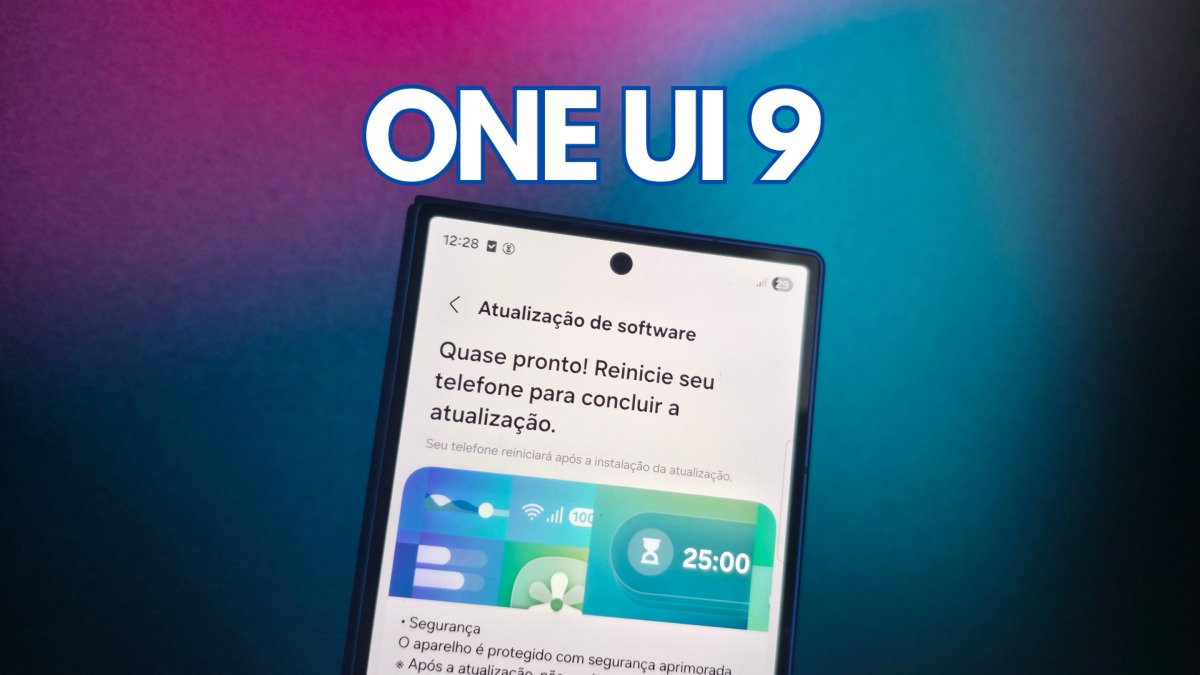
Samsung Accelerates Software Cycle: One UI 9 Beta Debuts as AI Expands to Legacy Galaxy Devices
Samsung is rapidly advancing its software ecosystem, officially launching the One UI 9 beta based on Android 17. This move signals the company’s commitment to maintaining a fast-paced update cadence, ensuring that its latest hardware and software innovations reach users as quickly as possible.
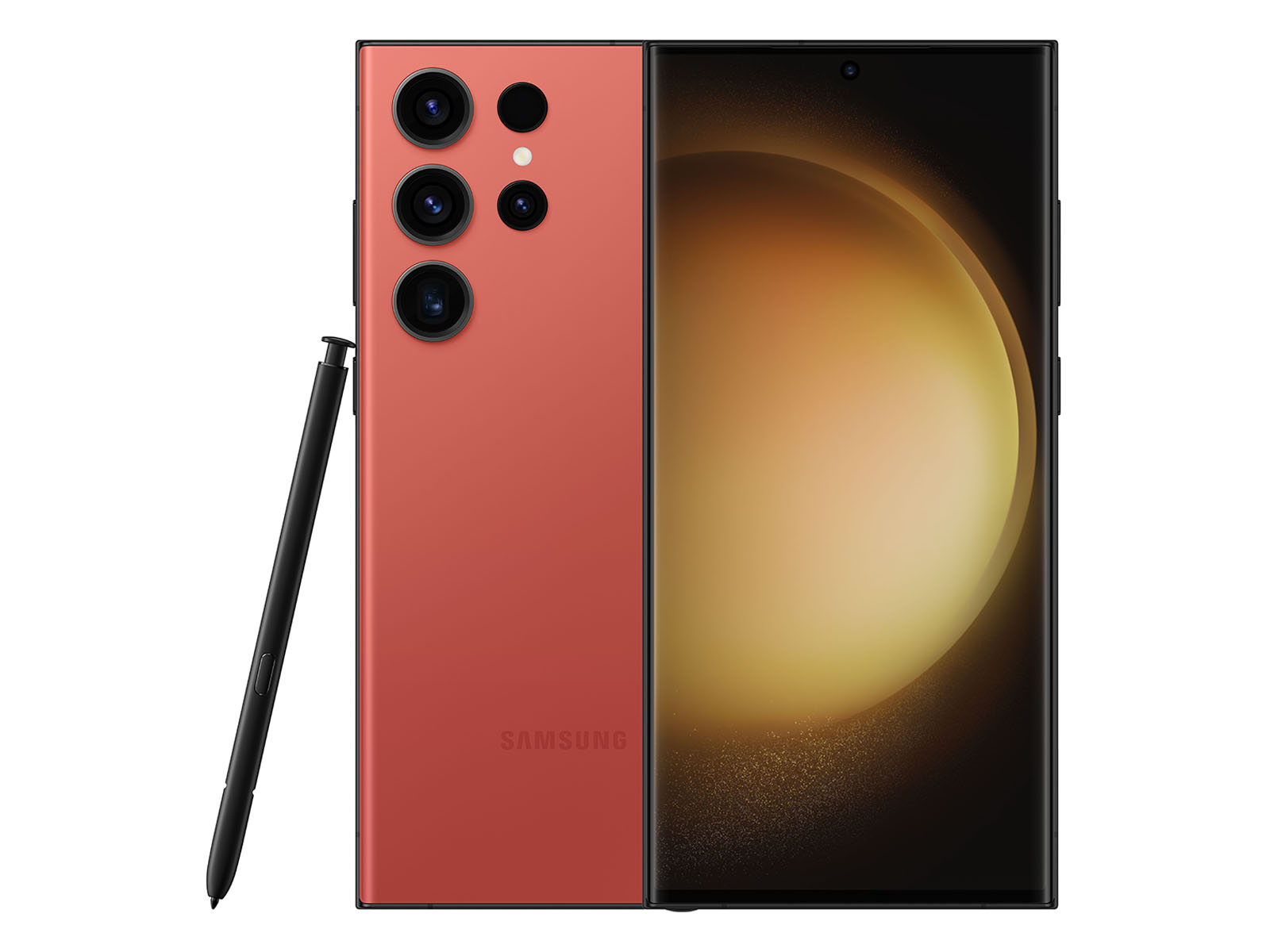
The transition to One UI 9 is already taking shape, with early reports identifying the specific Galaxy smartphones slated to receive the update. By initiating the beta phase, Samsung allows power users and developers to test the Android 17 integration, refining the user experience before a stable global rollout.
While the company looks toward the future, It’s simultaneously optimizing its current software. The One UI 8.5 update has arrived in Brazil, where the Galaxy S25 series has begun receiving the latest version. This iterative update focuses on polishing the interface and enhancing performance for Samsung’s most recent flagship lineup.
In a strategic move to increase device longevity and ecosystem loyalty, Samsung is also bringing its AI-powered operating system to older smartphones and tablets. By backporting advanced AI functions to legacy hardware, Samsung is narrowing the feature gap between new flagships and older models, ensuring that a broader range of users can access the company’s latest productivity and intelligence tools.
However, this expansion of AI comes alongside the natural sunsetting of older hardware. According to recent analysis regarding One UI 8.5, a number of Galaxy devices are expected to reach their end-of-life for software updates in 2026. This lifecycle management highlights the ongoing challenge for manufacturers to balance cutting-edge AI integration with the physical limitations of aging hardware.
