
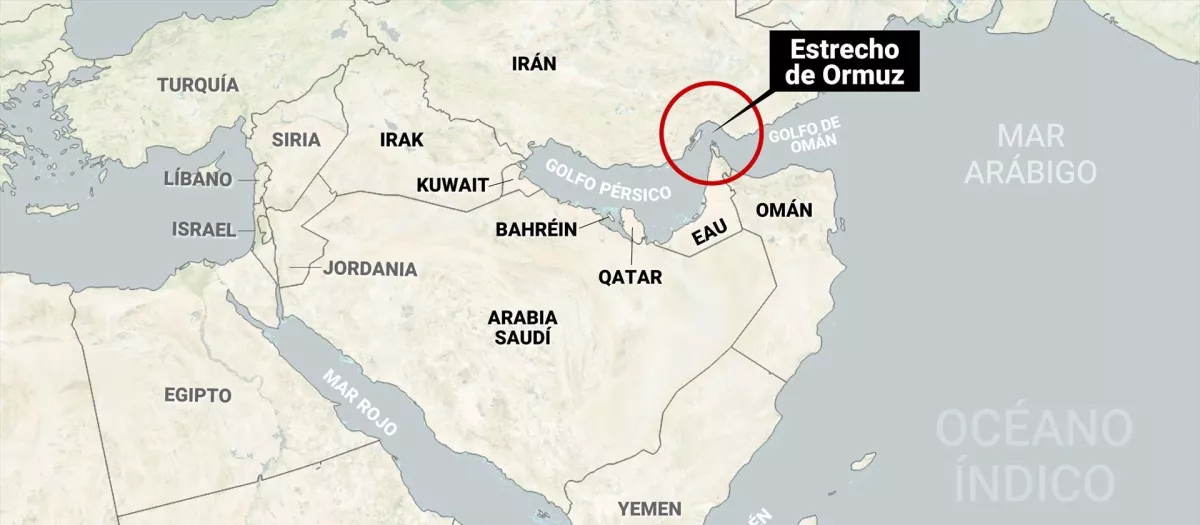
The strategically vital Strait of Hormuz, separating the coasts of Iran and Oman, is at the center of escalating tensions following recent attacks. Approximately 20% of the world’s crude oil and natural gas passes through the waterway, which connects the Persian Gulf to the Gulf of Oman. The potential for disruption to this critical shipping lane has raised concerns about global energy markets.
The recent joint military action by the United States and Israel against Iran has heightened fears of a response that could impact oil supplies and potentially lead to the closure of the Strait of Hormuz. According to reports, Iran’s Islamic Revolutionary Guard Corps (IRGC) has indicated the strait is currently unsafe for navigation.
The narrowest point of the strait measures just 54 kilometers (33.5 miles) wide, and an average of 144 ships transit the waterway daily. Data from the 2025 UNCTAD Review of Maritime Transport shows that 37% of these vessels are tankers, 17% are container ships, and 13% are bulk carriers.
The U.S. Energy Information Administration (EIA) reported that in 2024 and the first quarter of 2025, the strait facilitated a significant portion of global maritime oil trade. The EIA also indicated that around 20% of global liquefied natural gas (LNG) trade flows through the strait, primarily from Qatar and the United Arab Emirates to Asian markets.
For years, Iranian authorities have threatened to block maritime traffic, particularly to the United States, in response to sanctions imposed by Washington over its nuclear program. In February 2026, Iran announced the temporary closure of certain areas of the zone during naval maneuvers dubbed “Intelligent Control of the Strait of Hormuz.”
Previously, on June 21, 2025, the Iranian Parliament approved a measure to close the strait following then-President Donald Trump’s decision to bomb Iran in the context of the conflict between Israel and the country. This development underscores growing regional tensions and the potential for escalation.
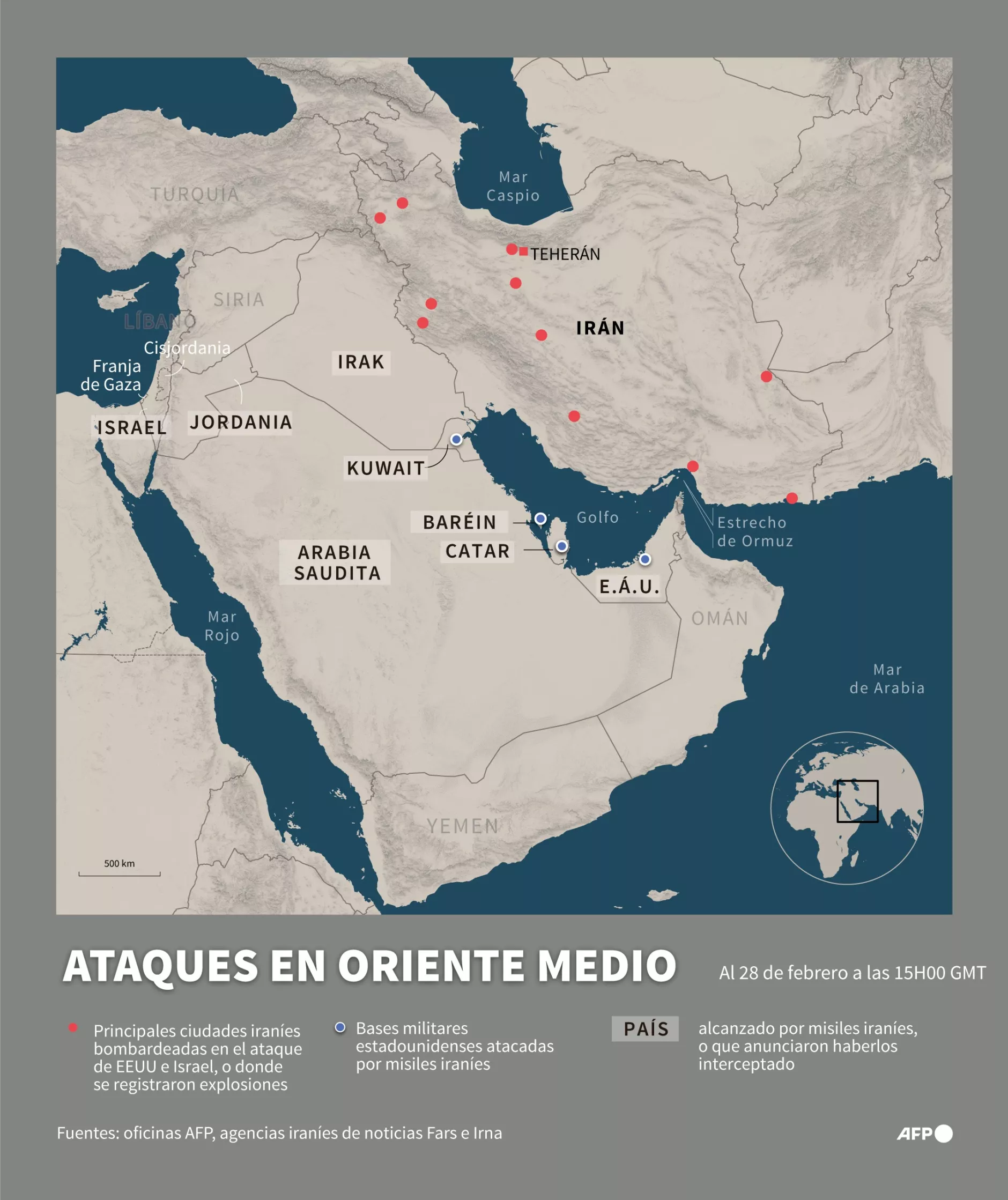
The Persian Gulf has been the site of numerous incidents in recent years, including attacks on and seizures of oil tankers and cargo ships, amid ongoing tensions between Iran and the United States over sanctions related to Iranian oil sales. In 2018, the U.S. Withdrew from the nuclear agreement signed between Iran and world powers in 2015, alleging that Tehran had been dishonest about its nuclear program and continued to enrich uranium beyond permitted limits.
Tensions escalated further in April 2019 when the U.S. Tightened sanctions on Iranian oil exports, prompting Iranian authorities to threaten to block the strait. In 2021, Iran inaugurated a strategic oil export terminal in the Gulf of Oman, allowing tankers to bypass the Strait of Hormuz for the first time.
Crude oil is transported to the facility, located in the coastal city of Jask in the southern Hormozgan province, via a pipeline originating from the Goreh oil field in the Bushehr region. The project includes a pipeline extending 1,000 kilometers (621 miles) with a current transfer capacity of 300,000 barrels of oil per day, with plans to increase this to one million barrels in the future.
Throughout the years, tensions have continued, as in April 2024, following the attack on the Iranian consulate in Damascus, which resulted in the deaths of seven Revolutionary Guards. Tehran blamed Tel Aviv for the attack, bringing the region close to the closure of the strait.
