
Diabetes and Weight Loss Drugs See Vast Price Discrepancies Globally
Groundbreaking medications for diabetes and weight loss, including Ozempic and Mounjaro, are experiencing significant price variations worldwide, with the United States facing substantially higher costs than countries in Europe and Asia.
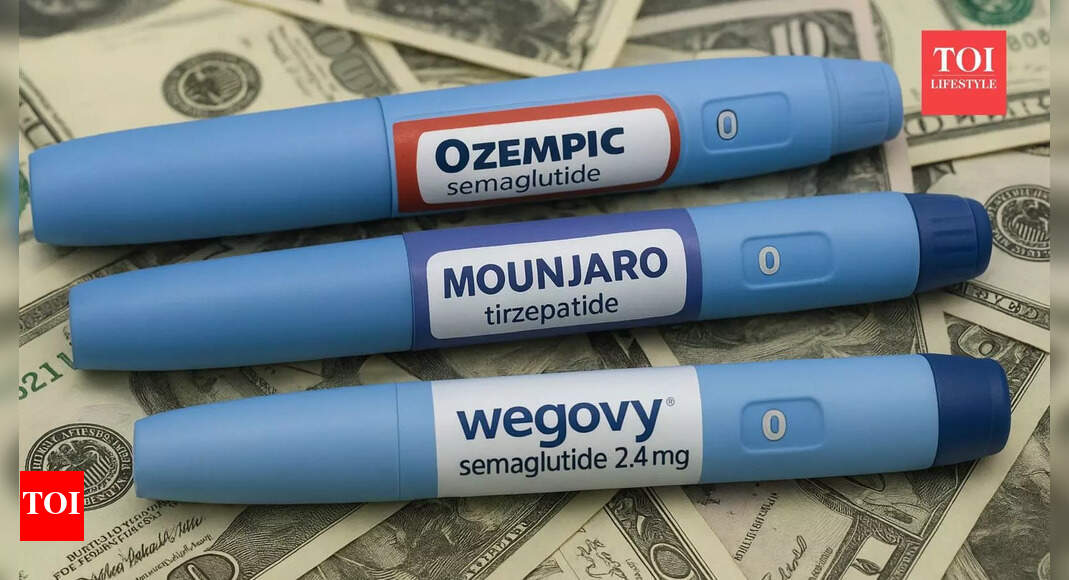
The drugs – Ozempic (semaglutide), Mounjaro (tirzepatide), and Wegovy (semaglutide 2.4 mg) – have demonstrated remarkable clinical results, with trials like STEP-1 and SURMOUNT-1 showing average weight loss of 15-20% in participants over 68 weeks when combined with lifestyle changes. A recent head-to-head trial published in the New England Journal of Medicine in May 2025 confirmed tirzepatide’s greater efficacy in weight loss compared to semaglutide. However, access to these potentially life-changing therapies is heavily influenced by geographic location and financial resources.
According to experts, the cost of Ozempic, Mounjaro, and Wegovy can range from approximately $950 to $1,372 per month in the United States without insurance. In contrast, prices in the UK and Europe are often one-tenth of the US cost due to government price negotiations, while India offers more affordable options, though still considered premium medications. Dr. Rajiv Kovil, Head of Diabetology and weight-loss expert at Zandra Healthcare, stated, “The same medicine can mean very different things to your wallet, depending on where you live.” This disparity highlights the challenges in equitable access to innovative healthcare solutions. You can learn more about managing diabetes at the Centers for Disease Control and Prevention.
Patent expirations for semaglutide, expected in March 2026, are anticipated to increase affordability through the introduction of generic and biosimilar options, particularly in countries like India with established pharmaceutical manufacturing capabilities. This could significantly broaden access to these medications, but regulatory hurdles and manufacturing complexities may affect the speed of price reductions. The increasing demand for these drugs is also putting pressure on supply chains and potentially contributing to higher costs, as reported by Reuters.
Officials anticipate that increased competition and policy changes will be crucial in ensuring wider access to these medications, allowing more individuals to benefit from the advancements in metabolic medicine.
