
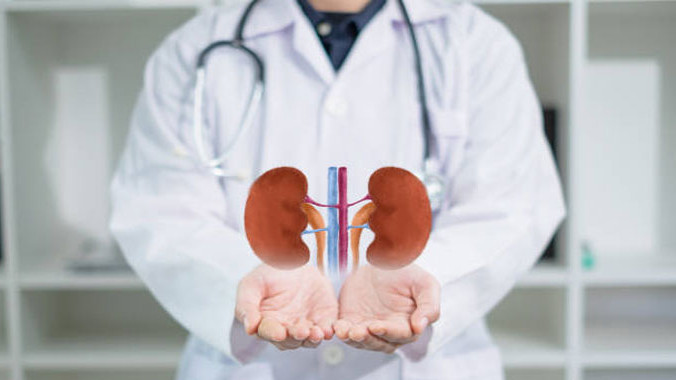
Chronic Kidney Disease (CKD) is emerging as a critical global health crisis, with current projections suggesting it could become the fifth leading cause of death worldwide by 2040. Research indicates that between 788 million and 844 million people are currently affected, as lifestyle factors and chronic conditions continue to place unprecedented strain on global healthcare systems.
The Rising Global Burden of Kidney Disease
The scale of the kidney health challenge is significant, with recent analysis published in The Lancet identifying CKD as one of the fastest-growing health threats facing the modern world. According to reporting by ABP Desam, the condition often progresses silently, meaning many patients do not experience clear symptoms until the disease has reached an advanced stage. This lack of early warning signs makes the condition particularly dangerous for those unaware of their risk factors.

The Global Burden of Disease (GBD) Chronic Kidney Disease Collaboration, which informed the Lancet findings, utilized data from 195 countries to map the escalation of the disease. Their modeling indicates that the age-standardized mortality rate for CKD has increased significantly since 1990. Dr. Adeera Levin, a professor of medicine at the University of British Columbia and a past president of the International Society of Nephrology, has noted in clinical briefings that the global healthcare infrastructure remains ill-equipped to handle the projected volume of end-stage renal disease (ESRD) patients, which requires expensive, resource-heavy interventions like hemodialysis or transplantation.
The data reflects a broad, systemic shift in human health. As News18 Telugu notes, the primary drivers of this surge include diabetes, hypertension, obesity, and heart disease. In rapidly developing nations, these clinical risks are often compounded by lifestyle transitions, including the increased consumption of processed foods and a lack of physical activity.
Modifiable Risks and Daily Habits
While the statistics are sobering, health authorities emphasize that significant portions of kidney health remain within an individual’s control. Organizations including the National Institute of Diabetes and Digestive and Kidney Diseases (NIDDK), the Mayo Clinic, and the Centers for Disease Control and Prevention (CDC) have issued consistent guidance on mitigating risk through behavioral changes.
The NIDDK emphasizes that the progression of CKD is staged based on the estimated glomerular filtration rate (eGFR), a measure of how well the kidneys filter waste. Clinical guidelines from the Kidney Disease: Improving Global Outcomes (KDIGO) organization recommend that individuals with persistent eGFR levels below 60 mL/min/1.73m² for more than three months be formally evaluated for CKD. This clinical threshold serves as the benchmark for physicians to initiate pharmacological interventions, such as the use of ACE inhibitors or ARBs, which are the gold-standard medications for slowing renal decline in patients with protein in their urine (albuminuria).
To maintain renal function and reduce the burden on the body’s filtration system, experts point to four primary pillars of prevention:
- Hydration: Adequate water intake is essential for helping the kidneys flush waste products from the blood.
- Dietary Sodium Control: Experts recommend limiting sodium intake to 2,300 milligrams per day, with even stricter limits for those already diagnosed with hypertension.
- Physical Activity: Consistent exercise—at least 30 minutes daily—helps manage blood pressure and blood sugar levels, both of which are critical for protecting the kidneys’ delicate micro-vessels.
- Chronic Condition Management: Because diabetes and high blood pressure are the leading causes of kidney failure, rigorous medical management of these conditions is paramount.
Regarding dietary management, the American Heart Association and the National Kidney Foundation (NKF) highlight that the “DASH” (Dietary Approaches to Stop Hypertension) diet has shown efficacy in randomized controlled trials for reducing the risk of hypertension-related kidney damage. The NKF specifically advises that patients with established CKD should consult a renal dietitian, as standard healthy diets—which may be high in potassium or phosphorus—can occasionally be counterproductive for those whose kidneys can no longer effectively process these minerals.
The Role of Early Detection and Emerging Technology
The transition from silent progression to clinical diagnosis remains the greatest hurdle in kidney care. Because the kidneys operate as a “silent” organ, their function can decline significantly before a patient feels ill. However, the medical community is shifting its approach toward earlier intervention.

Clinical researchers at institutions like the Johns Hopkins Bloomberg School of Public Health are currently evaluating the utility of novel biomarkers, such as Kidney Injury Molecule-1 (KIM-1), to detect damage before the traditional serum creatinine test reflects a drop in GFR. While these tests are not yet standard in primary care, they represent a shift toward identifying subclinical injury. Furthermore, the U.S. Food and Drug Administration (FDA) has recently granted accelerated approval to new classes of medication, such as SGLT2 inhibitors (originally developed for type 2 diabetes), which have demonstrated in large-scale clinical trials, such as the DAPA-CKD study, a significant reduction in the risk of kidney failure and cardiovascular death among patients with CKD.
New research highlights that the deployment of advanced diagnostic technologies is beginning to change how clinicians identify these diseases. By moving away from reactive care toward early screening, providers aim to capture the decline in function before it becomes irreversible. As noted in the recent Lancet studies, the integration of these new techniques is a vital component of the strategy to reduce the projected 2040 mortality rates.
Readers must understand that diagnostic results, particularly eGFR and albumin-to-creatinine ratio (ACR) tests, are highly individual and can be influenced by transient factors like dehydration or intense exercise. These figures represent snapshots of function rather than a permanent diagnosis. Therefore, clinical guidelines mandate that a CKD diagnosis be confirmed through repeated testing over a period of 90 days. For individuals concerned about their renal health, the consensus among health experts remains consistent: regular monitoring of blood pressure and blood glucose is the most effective way to detect early warning signs. Anyone experiencing symptoms or those with a family history of kidney issues should consult their primary care physician or a board-certified nephrologist to discuss appropriate screening schedules tailored to their specific clinical profile.
