
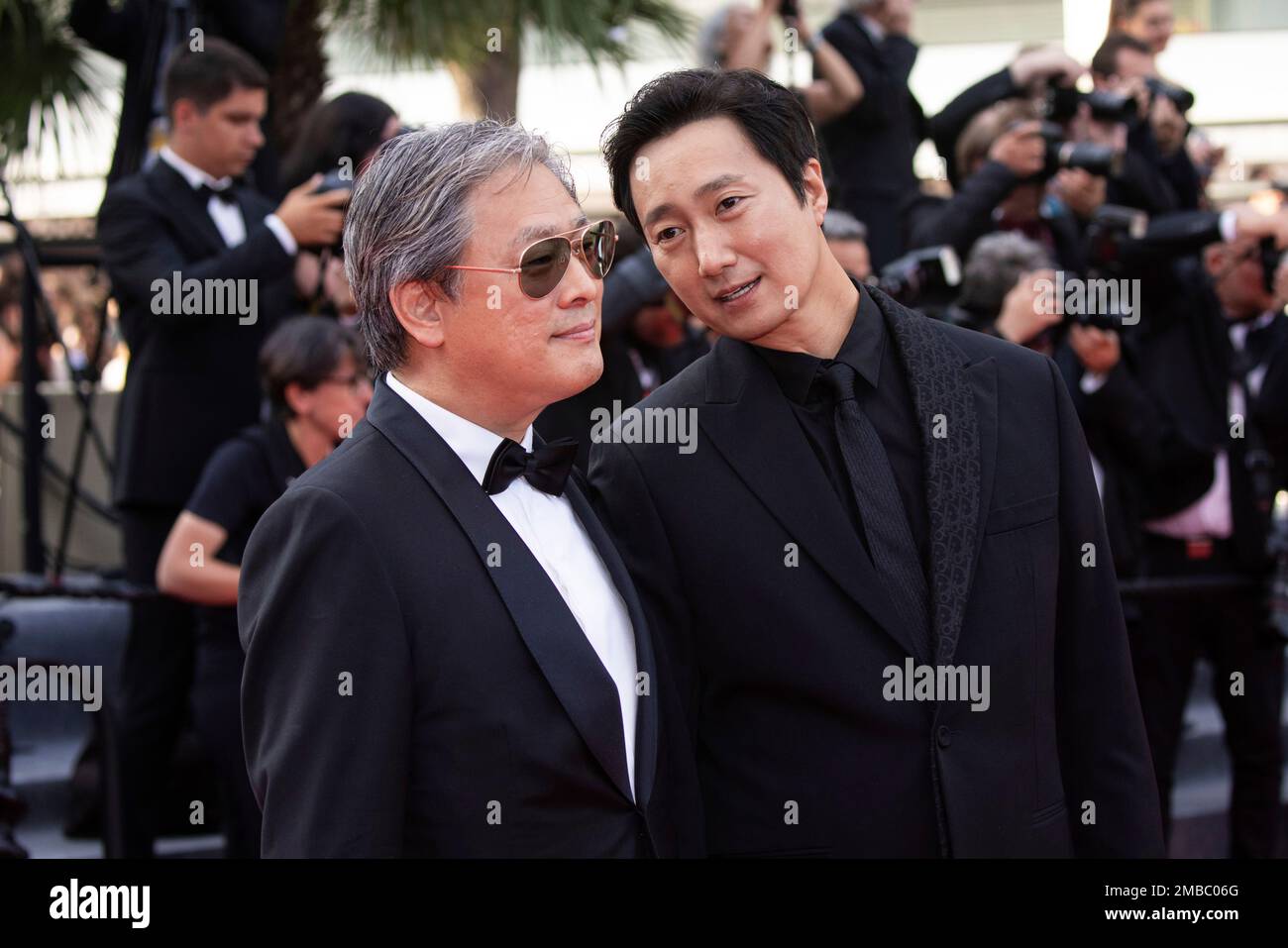
South Korean filmmaker Park Chan-wook has been awarded France’s highest cultural honor, the Commandeur
of the Order of Arts and Letters, by French Culture Minister Catherine Colonna in Cannes on May 17, 2026. As the fourth Korean to receive the top-tier medal, his recognition caps a career that has redefined global cinema.
A Masterclass in Global Recognition
Park Chan-wook’s ascent to the Commandeur
rank—France’s highest cultural arts medal—solidifies his standing as one of the most influential filmmakers of the 21st century. The honor, bestowed by French Culture Minister Catherine Colonna during the Cannes Film Festival, follows a decades-long career that has earned him accolades from the Cannes jury, critical acclaim for his visceral storytelling, and now, official recognition from one of the world’s leading cultural institutions.
The Order of Arts and Letters, established in 1957, is divided into three ranks: Chevalier
(Knight), Officier
(Officer), and Commandeur
(Commander). Park joins a select group of Korean recipients, including former Korea Arts Council chair Kim Jeong-ok (2002), conductor Jung Myung-hoon (2011), and soprano Cho Su-mi (2025), as the fourth Korean—and first filmmaker—to receive the top honor.
His connection to Cannes runs deep. Park’s breakthrough, *Oldboy* (2003), won the Jury Prize at the 2004 festival, cementing his reputation as a director unafraid to blend crime, thriller, and psychological depth. He later earned the Directing Award for *Decision to Leave* (2022) and, in 2026, became the first Korean to chair the festival’s main competition jury. The Commandeur
medal now crowns a trajectory that has seen him transcend national borders, earning comparisons to global auteurs like Quentin Tarantino and Martin Scorsese.
From Seoul to the World Stage
Park’s journey to Cannes’ highest honor reflects a career built on defiance and precision. After two early films he later disowned, his third, *Joint Security Area* (2000), became South Korea’s highest-grossing film at the time and redefined Korean cinema’s global potential. His subsequent Vengeance Trilogy
—*Sympathy for Mr. Vengeance* (2002), *Oldboy* (2003), and *Lady Vengeance* (2005)—established him as a master of tension, visual storytelling, and moral ambiguity.
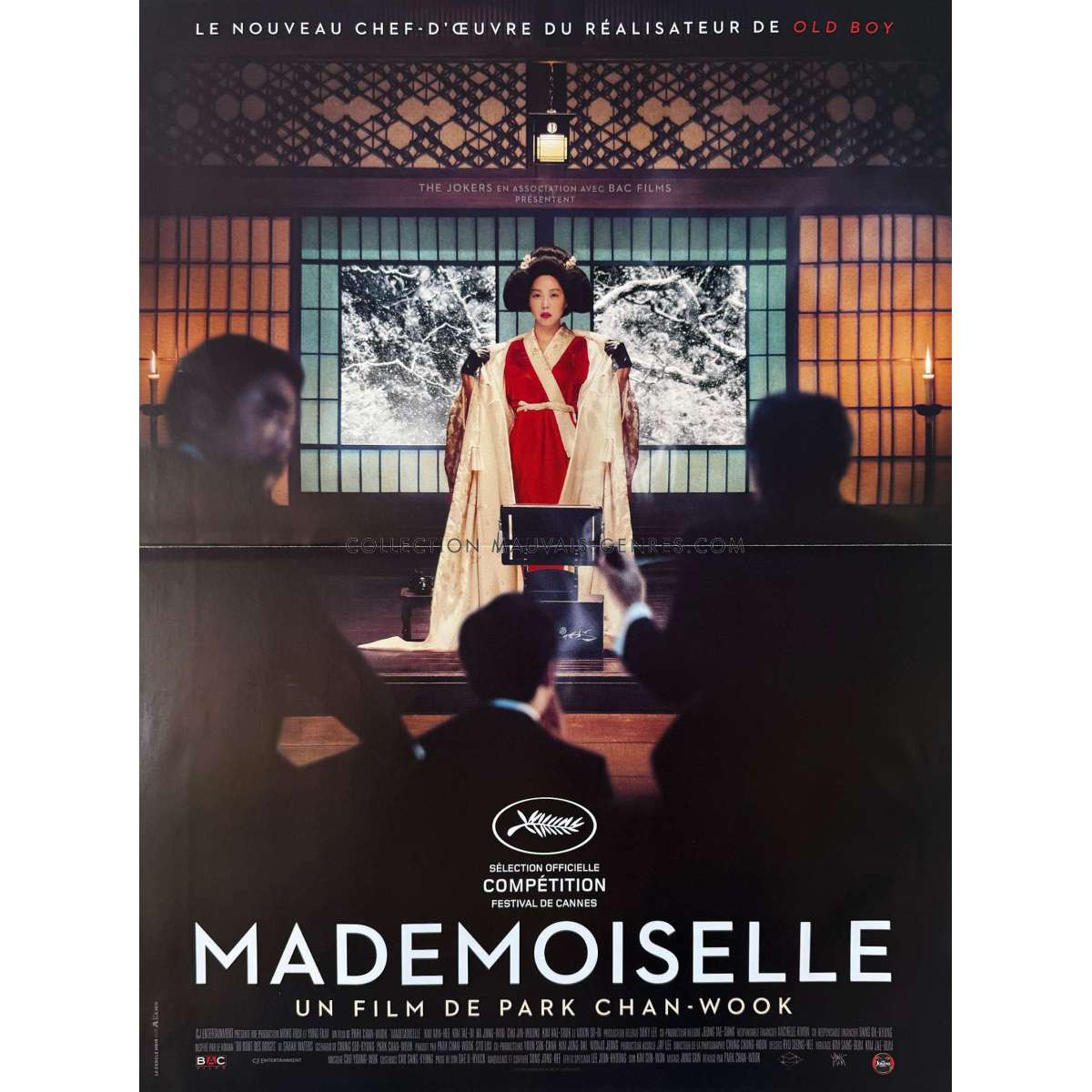
France, in particular, has been a recurring muse. *Oldboy*’s Cannes Jury Prize in 2004 marked his first major international validation, while *The Handmaiden* (2016), a lush erotic thriller co-produced with France, showcased his ability to merge Eastern and Western cinematic traditions. His 2022 Cannes Directing Award for *Decision to Leave*—a meditation on love, memory, and colonial history—further cemented his status as a filmmaker unafraid to tackle complex, universal themes.
This year’s festival, where he presided over the competition, was a turning point. As jury president, Park oversaw a lineup that included bold, politically charged films, reflecting his own sensibilities. The Commandeur
medal, presented during the festival’s closing ceremonies, was not just a personal triumph but a validation of his role in shaping contemporary cinema.
What the Medal Represents
The Order of Arts and Letters is not merely an accolade; it is a recognition of cultural diplomacy. France, as a global leader in the arts, reserves its highest medals for figures whose work has transcended borders. For Park, this honor carries weight beyond individual achievement.
“This medal is a testament to the power of cinema as a universal language,” said a spokesperson for the French Ministry of Culture, emphasizing how Park’s films—often brutal yet poetic—have resonated across cultures. The timing of the award, during Cannes 2026, underscores its significance: Park’s influence is now institutionalized, not just celebrated by critics or audiences.
Korean cultural institutions have also taken note. Park’s earlier honors include South Korea’s Order of Cultural Merit
(2002 and 2022), but the French Commandeur
carries a different prestige, one tied to Europe’s artistic legacy. His inclusion alongside figures like director Jean-Luc Godard and composer Philippe Boesmans signals that his work is now part of the continent’s cinematic canon.
The Road Ahead
With the Commandeur
medal in hand, Park’s next steps remain speculative—but his track record suggests he will continue pushing boundaries. His recent projects, including *The Cutter* (2024), a neo-noir thriller, and collaborations with international talents, hint at an evolving yet uncompromising vision.
For South Korea, Park’s award is a diplomatic win. As the country’s cultural exports—from K-pop to cinema—gain global traction, figures like Park serve as ambassadors. His Cannes presidency and now the Commandeur
medal position him as a bridge between East and West, a filmmaker whose work is both distinctly Korean and universally compelling.
What remains uncertain is whether this recognition will inspire a new wave of Korean filmmakers to seek international validation—or if Park’s legacy will be measured by the films he makes next, not the medals he collects. One thing is clear: as of May 17, 2026, Park Chan-wook stands not just as a director, but as a cultural icon.
Key Facts
- Award:
Commandeur
of the Order of Arts and Letters (France’s highest cultural honor). - Date: May 17, 2026, during the Cannes Film Festival.
- Previous Korean recipients: Kim Jeong-ok (2002), Jung Myung-hoon (2011), Cho Su-mi (2025).
- Park’s Cannes history: Jury Prize for *Oldboy* (2004), Directing Award for *Decision to Leave* (2022), first Korean jury president (2026).
- Notable films: *Oldboy* (2003), *The Handmaiden* (2016), *Decision to Leave* (2022).
