
A Pentagon inquiry has determined that Defense Secretary Pete Hegseth disclosed classified details regarding planned military operations in Yemen via the encrypted messaging app Signal, potentially compromising national security [3]. The inquiry, triggered by the inadvertent inclusion of *The Atlantic*’s editor-in-chief in a signal group used by Hegseth, found he shared operational plans originating from a classified U.S. Central Command document [1]. The incident raises serious questions about adherence to security protocols and the use of unofficial communication channels by top-level officials, potentially jeopardizing troop safety and ongoing missions [2].
A Pentagon investigation has concluded that Defense Secretary Pete Hegseth shared classified information about planned military strikes in Yemen via the messaging app Signal, potentially compromising operational security. The findings stem from an incident in March when a journalist from The Atlantic was inadvertently added to a Signal group used by Hegseth and others.
The Defense Department’s Inspector General (IG) completed its report on Hegseth’s unauthorized disclosures, sending the full version to Congress. A redacted version was made public on Thursday. Sources familiar with the report say Hegseth’s actions risked the safety of U.S. troops and jeopardized the success of ongoing operations.
The incident raises concerns about the security of sensitive information and the use of personal communication channels by high-ranking officials. It also highlights the challenges of maintaining confidentiality in an era of readily accessible technology.
According to CNN International, citing sources with knowledge of the report, Hegseth disseminated critical details about the planned strikes in at least two separate Signal groups. One of those groups included his wife, brother, and personal attorney. Sources said Hegseth acknowledged being a member of approximately a dozen Signal groups but could not recall whether he shared operational information in all of them.
INFORMATION ORIGINATED FROM A CLASSIFIED DOCUMENT
The operational plans Hegseth shared were reportedly taken from a U.S. Central Command document marked as classified at the time of the operation. The document was designated “Secret” and access was restricted to individuals with appropriate security clearances. The fact that the shared content originated from such a document was a key finding in the investigation.
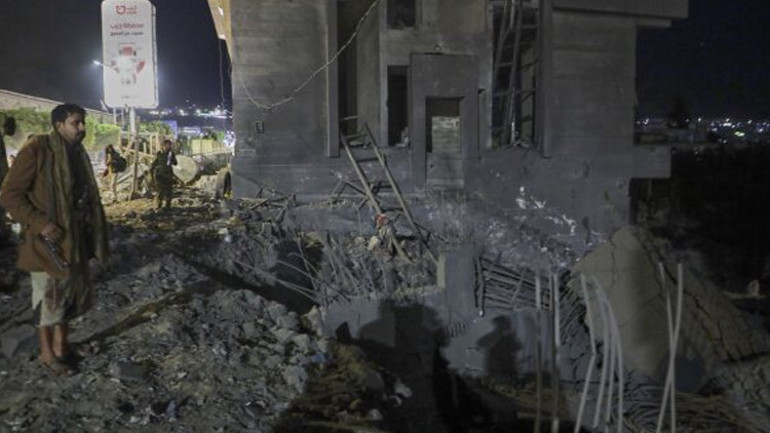
Dozens of Yemeni civilians were killed in U.S. strikes against the Houthis. Yemeni officials accused the U.S. of targeting civilians.
“THE FIRST BOMBS WILL DEFINITELY BE DROPPED THEN”
The investigation revealed that Hegseth’s messages on Signal contained material directly from the classified documents, providing real-time information about the planned attacks and their specifics. According to sources, one message stated, “The first bombs will definitely be dropped then.”
It remains unclear whether Hegseth properly removed the classification markings from the information before sharing it with others, including former President Trump’s administration officials and Jeffrey Goldberg of The Atlantic, who was mistakenly added to the chat group. The public version of the report will reportedly detail whether this issue was addressed.

SHARED INFORMATION WITH OTHERS
Investigation sources indicated that Hegseth shared similar details about the Yemen operation with individuals beyond the journalist’s chat group. The IG report found that operational details were transmitted via Signal to people who did not have the authority to assess the information.
The report also detailed how Hegseth had Signal installed on a dedicated computer in his Pentagon office, allowing him to use the app without physically handling his phone.

REFUSED IN-PERSON QUESTIONING
Individuals speaking to CNN said Hegseth declined to be interviewed in person by investigators, submitting a written statement instead. The report compiles Hegseth’s statement along with other statements gathered during the investigation.
Sources said the report assessed that Hegseth’s actions could have had consequences that risked American troops. The document details how the Secretary shared highly sensitive information with unauthorized individuals. Investigators reportedly concluded that Hegseth did not take the necessary steps to protect these communications as required by federal law.
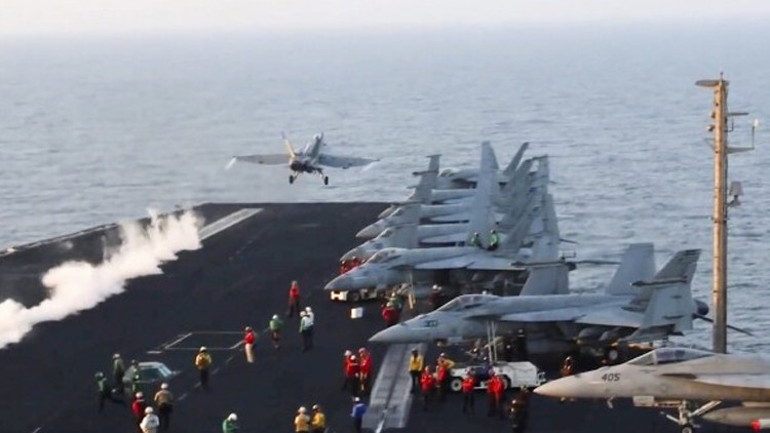
U.S. President Donald Trump said he had given the order to use “deadly force” to stop Houthi attacks targeting Israeli-linked ships in the Red Sea.
WILL HE BE REMOVED FROM OFFICE?
Sources said the report clearly states that the Secretary should not have used Signal in this manner. It also reportedly emphasizes the need for more comprehensive training on protocols for senior Defense Department officials. This finding points to a need to review internal procedures.
The Washington Post reported that the release of the report could fuel increased criticism from both parties in Congress. Lawmakers are revisiting the allegations against Hegseth and their potential political ramifications. This process could reignite a debate that previously came close to Hegseth’s removal from office several months ago.
Those close to Hegseth expressed hope that the report’s conclusion would alleviate ongoing political pressure on the Trump administration. The political consequences of the report’s findings will become clearer after the public version is released.

IT IS UNKNOWN IF HE DECLASSIFIED THE DOCUMENTS
Officials say the full implications of the process remain unclear. The Inspector General reportedly concluded that the Secretary had the authority to declassify the information, arguing that Hegseth shared it with an operational decision at that time. However, no official record of such a decision has been found.
One source said Hegseth still retained the authority to declassify information, which would invalidate a claim of wrongdoing. The same source stated that the Secretary’s use of Signal did not conflict with record-keeping requirements under the Federal Records Act.
Pentagon spokesperson Sean Parnell told CNN International following the report’s release, “The Inspector General’s review is a complete exoneration and proves what we’ve known all along: no classified information was shared. This matter is closed.”

Pentagon Spokesperson Sean Parnell
THE SIGNAL SCANDAL
Mike Waltz, who served as Acting National Security Advisor during the Trump administration from January to May 2025, revealed in March that plans for the Yemen war were shared in a Signal group to which The Atlantic’s editor-in-chief, Jeffrey Goldberg, was “accidentally” added, sparking criticism.
U.S. media reported that Defense Secretary Pete Hegseth had instructed the installation of the Signal application on a desktop computer in his Pentagon office.
Hegseth was accused of sharing sensitive information about U.S. military strikes in Yemen in a Signal messaging group that included his wife, brother, and attorney.
Trump announced at the time on social media that he would nominate Mike Waltz as the U.S. Permanent Representative to the UN, with Foreign Minister Marco Rubio assuming Waltz’s current position for a period of time.
