
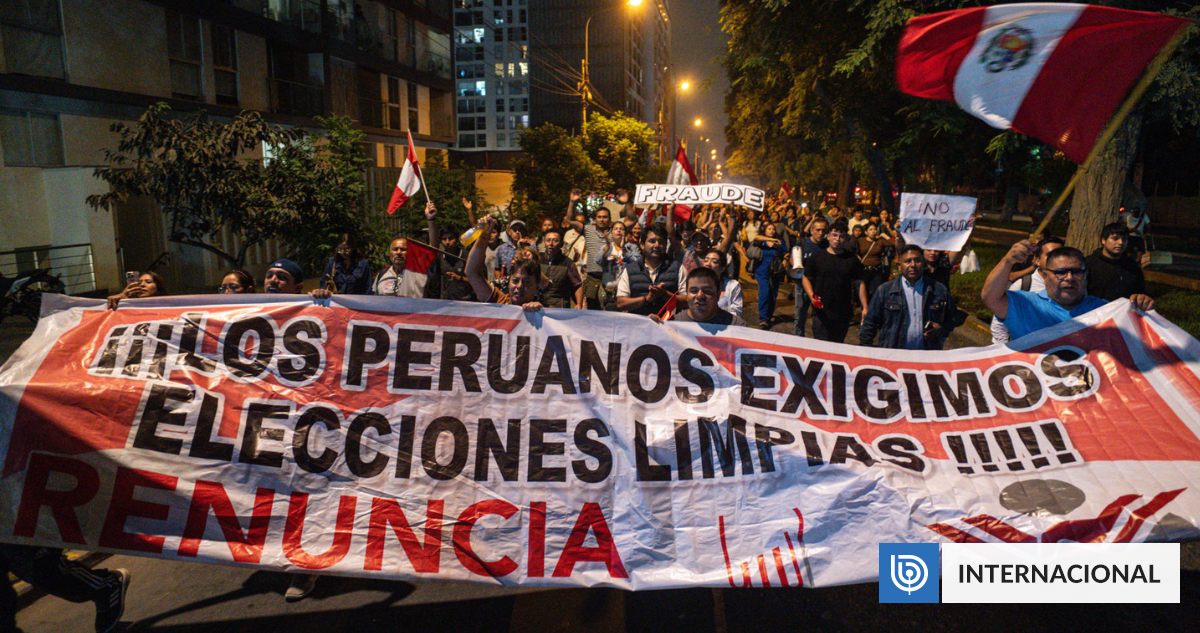
Tensions have escalated in Peru following a chaotic presidential and parliamentary election, with a far-right candidate calling for “civil insurgency” amid widespread accusations of electoral fraud. The political instability comes as the country grapples with a voting process marred by significant logistical failures and institutional instability.
According to early counts, with 57% of the ballots processed, right-wing candidate Keiko Fujimori currently leads with 16.9% of the vote. Following closely is ultraconservative Rafael López Aliaga, who has secured more than 14% of the preferences. The results have emerged from a volatile environment where fraud accusations are heightening tensions across the nation.
The electoral process was characterized by severe disruption, leading to a situation where voting was extended and resumed on Monday, April 13, 2026. While the head of Peru’s national electoral body has dismissed reports of grave irregularities, attributing the failures to “punctual errors,” the lack of a seamless process has fueled deep public skepticism.
Paz Milet, an academic at the University of Chile’s Institute of International Studies, described the electoral failures as an embarrassment that opens questions about the country’s institutional stability. Milet further noted that the failure of one of the primary candidates to cast a vote has cast a “mantle of doubt” over the entire proceeding.
These systemic failures underscore a broader crisis of confidence in the Peruvian state. According to International IDEA, democracy in Peru is under constant threat due to political corruption, institutional weakness, and the proliferation of fake news and misinformation. The organization emphasizes that regulatory reforms are essential to improve transparency and the representation of elected officials.
The current unrest highlights the fragile state of Peru’s democratic framework, where logistical mishaps can quickly evolve into national security concerns and challenges to the legitimacy of the government.
