

Colombia’s May 1, 2026, Labor Day protests mark the final major mobilization before the October presidential election, as President Gustavo Petro’s government faces mounting pressure over economic reforms and political polarization. Cali’s upcoming June 2026 hosting of the IWF World Festival adds a cultural counterpoint to the political tensions.
Labor Day Protests: Petro’s Government in the Final Stretch
May 1, 2026, will be remembered in Colombia not just as another Labor Day but as a pivotal moment in the final stretch of President Gustavo Petro’s administration. The date coincides with the last major mobilization before the October 2026 presidential election, where Petro—who cannot seek re-election—will either leave a legacy of transformative reforms or a divided political landscape.

According to a post on the official Instagram account of the Colombian government, the May 1 protests will be the last of Petro’s tenure, coming as economic policies, including tax reforms and labor negotiations, remain contentious. The government has framed the day as an opportunity to reflect on workers’ rights amid broader debates over inequality and social justice. However, opposition groups have signaled plans to use the protests to amplify criticism of Petro’s economic agenda, particularly his push for higher taxes on wealthy Colombians and multinational corporations.
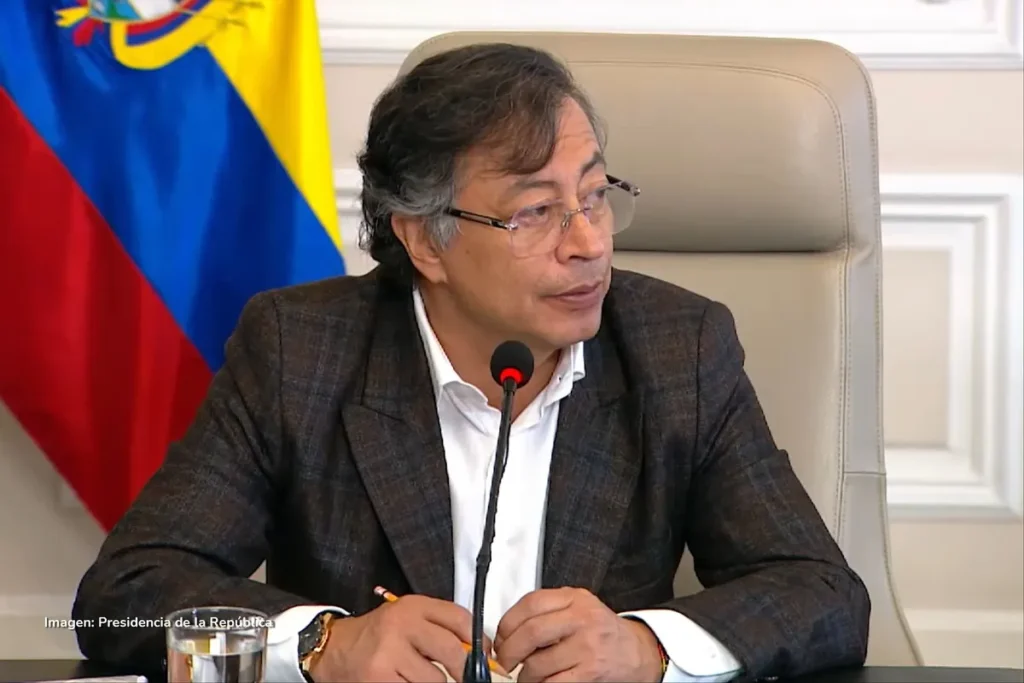
While the exact turnout and demands of the protests remain unconfirmed, the timing aligns with a period of heightened political activity. The March 8 elections—observed by the Mission of Election Observation of the European Union (MOE UE Colombia 2026)—set a precedent for voter engagement, though the preliminary findings from those elections have not yet been fully released. The MOE UE’s press conference on March 9, 2026, hinted at ongoing scrutiny of electoral processes, which could influence public sentiment ahead of October.
Cali’s Cultural Shift: Hosting the 2026 IWF World Festival
Amid the political backdrop, Colombia’s cultural calendar is set to highlight Cali, the country’s third-largest city, as it prepares to host the 2026 IWF World Festival in June. The announcement, shared on Instagram by the International World Festivals (IWF) network, positions Cali as a global stage for music, dance, and artistic expression—a deliberate contrast to the nation’s political divisions.
The festival, scheduled for June 2026, is expected to draw international artists and audiences, reinforcing Cali’s reputation as the birthplace of salsa and a hub for Afro-Colombian culture. Local officials have framed the event as an economic and cultural boon, with projections of increased tourism and revenue for the city. However, the festival’s timing—just months before the election—raises questions about whether it will serve as a unifying force or further polarize public discourse.
While the IWF has not released detailed programming, the festival’s focus on music and arts aligns with Petro’s administration’s emphasis on cultural diplomacy as a tool for soft power. Yet, with economic challenges looming, the government’s ability to fully capitalize on such events remains a subject of debate.
Economic and Political Tensions Ahead of October
The intersection of labor protests and cultural events underscores Colombia’s dual narrative in 2026: a nation grappling with economic reforms while positioning itself on the global stage. Petro’s government has faced criticism from both the left and right over its handling of inflation, unemployment, and social programs. The May 1 protests will likely serve as a litmus test for public support, particularly among workers and trade unions.
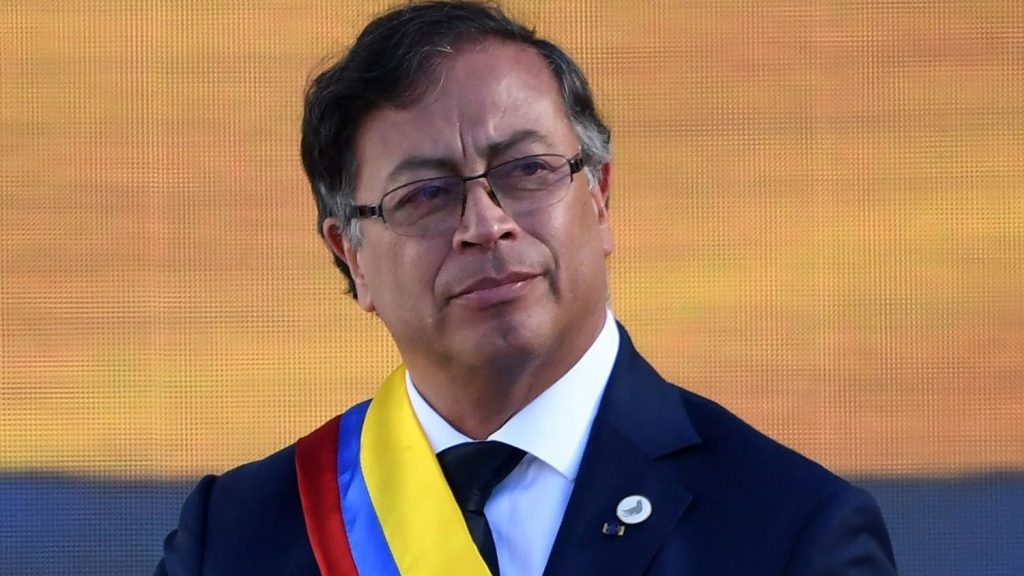
Opposition candidates, including former President Álvaro Uribe’s allies and center-right figures, have already begun campaigning, framing Petro’s policies as economically destabilizing. Meanwhile, Petro’s supporters argue that his reforms—such as the 2024 tax overhaul—are necessary to fund social programs and reduce inequality. The October election will hinge on whether voters perceive these measures as progress or overreach.
Adding to the complexity is the role of international observers. The MOE UE Colombia 2026’s preliminary findings from the March elections, though not yet fully disclosed, suggest that electoral integrity remains a concern. If irregularities are confirmed, they could further undermine public trust in the electoral process, complicating Petro’s legacy and the transition to his successor.
What Comes Next: Uncertainties and Opportunities
As May 1 approaches, Colombia stands at a crossroads. The Labor Day protests will offer a snapshot of public sentiment, while Cali’s IWF festival will highlight the country’s cultural resilience. The next three months will determine whether Petro’s reforms take root or face further backlash, and whether Colombia’s political divisions deepen or begin to heal.
For now, the focus remains on verified developments: the confirmed dates of the protests and festival, the government’s framing of Labor Day, and the preliminary observations from the MOE UE. What remains uncertain is how these events will shape the October election—and whether Colombia can reconcile its economic challenges with its cultural ambitions.
One thing is clear: 2026 will be a year of contrasts in Colombia, where political tensions and cultural celebrations coexist in equal measure.
