

Research into the training datasets used for military drone simulation reveals that geospatial data collected by Niantic’s Pokémon Go has been utilized in synthetic environment development. While the game’s location-based mechanics rely on real-world mapping, the integration of this user-generated data into defense-sector training platforms has raised concerns regarding privacy and data provenance.
Origins of the Data Usage
The connection between popular mobile gaming data and military-grade simulation stems from the vast, crowdsourced mapping efforts inherent to Niantic’s product line. Since its 2016 launch, Pokémon Go has incentivized millions of players to tag and photograph landmarks, parks, and urban infrastructure to populate the game’s “PokéStop” and “Gym” network. This process, often referred to in tech circles as “players-as-sensors,” transformed a mobile entertainment experience into a massive, global data-gathering operation. By rewarding users for visiting specific locations and documenting them with photos, the platform effectively built a high-fidelity map of the physical world that is constantly updated by its user base.
According to documentation from defense technology analysts, this granular, ground-level imagery provides a unique dataset for training computer vision models. Unlike satellite imagery, which offers a top-down perspective, the player-submitted photos capture street-level detail, lighting variations, and occlusions—data points that are highly valuable for training drones to navigate complex, real-world environments. In military simulation, the goal is to create a “digital twin” of a theater of operations. Traditional methods involved manually modeling structures or using expensive, dedicated aerial survey flights. By contrast, the Niantic dataset offers a pre-existing, dense, and diverse collection of imagery that spans residential neighborhoods, commercial zones, and public transit hubs globally.
Privacy Implications and Corporate Response
The reuse of this data has sparked debate regarding user consent. When players agree to the Terms of Service for Pokémon Go, they grant the developer rights to the location and media data generated during gameplay. However, privacy advocates argue that users are not explicitly informed that their contributions to a gaming database could eventually serve as training material for autonomous military systems. This creates a disconnect between the user’s intent—playing a game—and the ultimate application of the captured data.
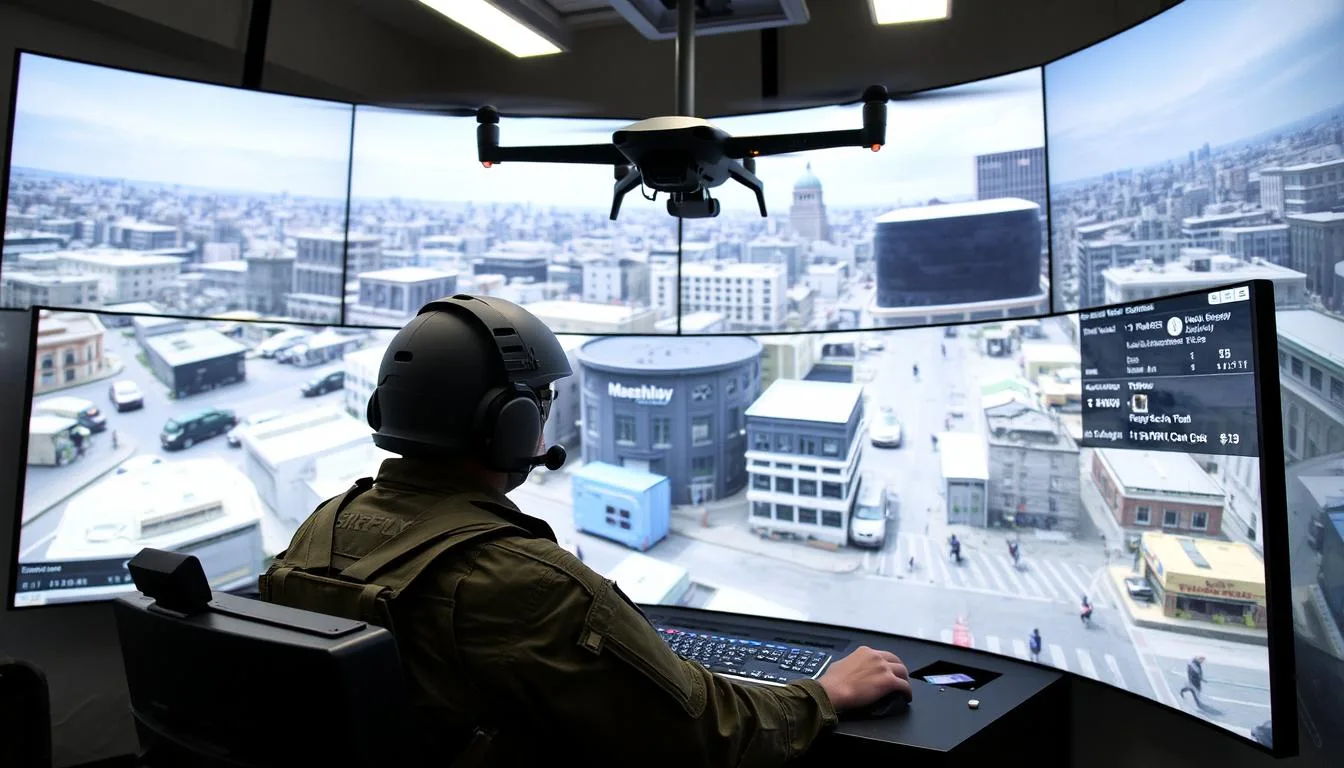

Niantic has maintained that its data collection practices are focused on improving augmented reality experiences and maintaining its platform’s location accuracy. In a 2024 regulatory filing, the company emphasized that it aggregates data to ensure individual users cannot be identified through the mapping of specific game interactions. Despite these assurances, cybersecurity experts note that the sheer volume of high-fidelity, geolocated imagery makes the dataset a target for repurposing by third-party contractors working within the defense industry. These contractors often aggregate data from multiple sources to refine navigation and object-recognition models for unmanned aerial vehicles (UAVs). The concern among privacy advocates is that even if individual users are anonymized, the metadata associated with the photos—such as timestamps and precise GPS coordinates—can provide a comprehensive map of human activity patterns in sensitive or restricted areas.
Technical Challenges in Simulation
The challenge for drone developers lies in creating “synthetic environments” that mirror the unpredictability of civilian areas. Using real-world data allows developers to train drone navigation algorithms to recognize obstacles like benches, statues, and building facades that are common in urban centers but often absent in sterile, computer-generated training zones. This is critical for “edge cases”—scenarios where an autonomous system must distinguish between a harmless object and a potential threat or navigation hazard.
Dr. Marcus Thorne, a researcher in autonomous systems at the Institute for Strategic Tech, characterizes the trend as a shift in how defense sectors source training material.
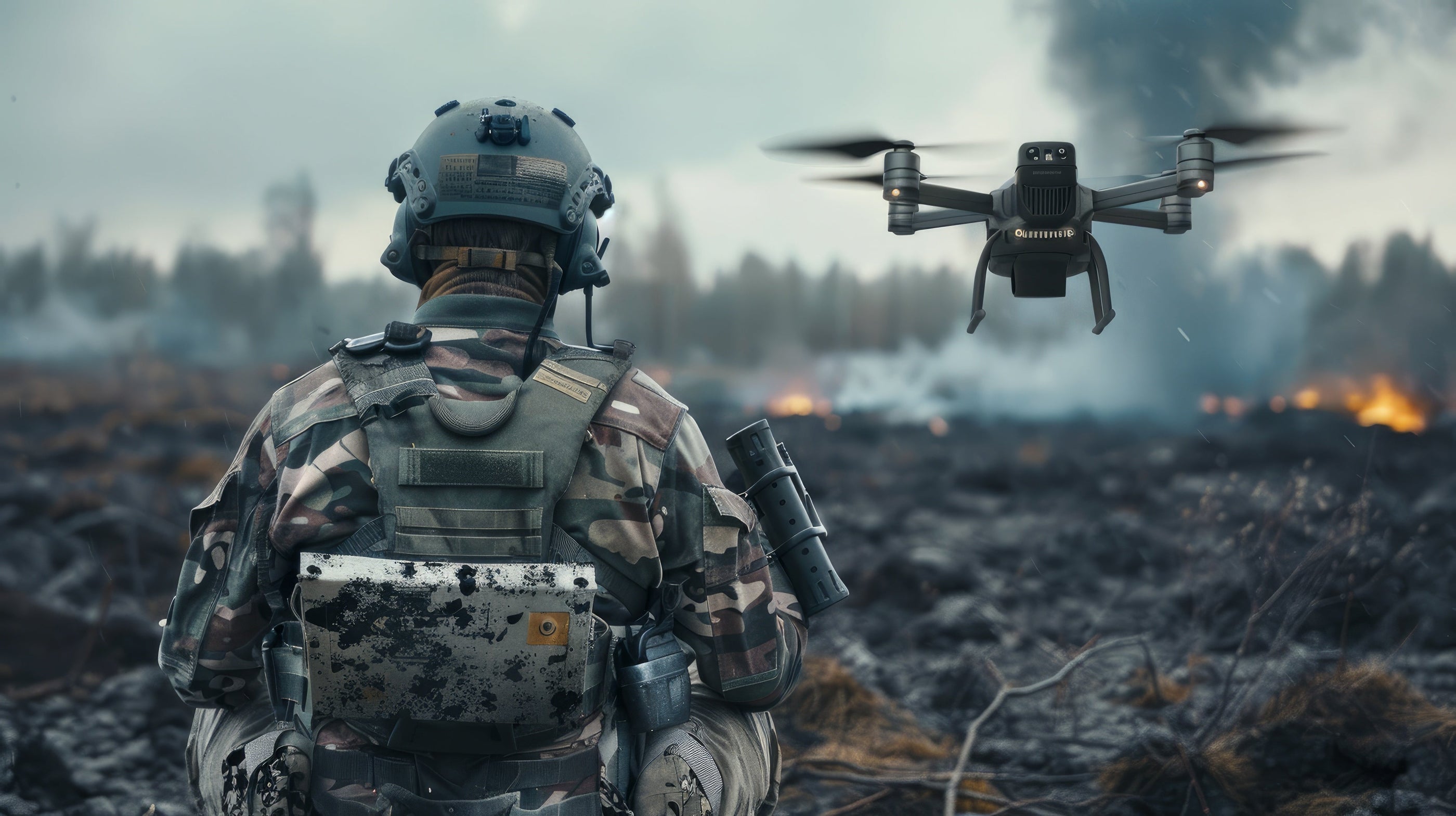
The reliance on crowdsourced, civilian-generated data for military training represents a significant shift in how we build synthetic environments. It is no longer just about high-resolution satellite maps; it is about capturing the visual noise and messy reality of human-inhabited spaces that only a massive, global user base can provide.
Dr. Marcus Thorne, Institute for Strategic Tech
The technical utility of this data is rooted in machine learning requirements. For a drone to operate autonomously, its onboard AI must be trained on millions of images to achieve high confidence levels in object detection. By leveraging Niantic’s database, developers gain access to millions of diverse, real-world examples that would be otherwise impossible to collect through traditional, dedicated field-testing. This reduces the “sim-to-real” gap, ensuring that algorithms perform as expected when deployed in actual urban environments.
Regulatory and Future Outlook
As of June 2026, there is no federal legislation in the United States specifically barring the sale or licensing of gaming-derived geospatial data to defense contractors. The current regulatory environment focuses primarily on the protection of PII (Personally Identifiable Information) rather than the secondary use of environmental mapping data. This creates a regulatory gap where the movement of data from consumer applications into the defense industrial base remains largely unmonitored by public oversight bodies.
Industry observers suggest that the growing intersection of consumer gaming and military simulation will likely lead to increased scrutiny from data privacy commissions. If the trend continues, developers may face new requirements to implement “opt-out” mechanisms for data usage that extends beyond the core functionality of the application. The broader significance of this issue lies in the commodification of geographic information. As consumer apps become more sophisticated in their spatial awareness, the data they generate becomes a strategic asset. For now, the integration of mobile gaming data into defense pipelines remains a largely unregulated, albeit controversial, byproduct of the digital age, highlighting the ongoing tension between technological convenience and the preservation of privacy in an increasingly mapped world.
Find more reporting in our Tech section.
