

A new conservation initiative involving a rare giraffe calf born at the Nairobi Safari Park on June 5, 2026, has been highlighted as a potential breakthrough in efforts to protect the critically endangered Masai giraffe subspecies, according to the African Wildlife Foundation. The calf, identified as the first of its kind in the park in over a decade, was confirmed by park officials and documented in a recent report.
Conservation Efforts Intensify
The Masai giraffe population has declined by 58% since 2008, according to the International Union for Conservation of Nature (IUCN), with habitat loss and poaching cited as primary threats. The Nairobi Safari Park, a key site for captive breeding programs, announced the calf’s birth as part of a broader strategy to bolster genetic diversity. “This calf represents a critical opportunity to stabilize the subspecies,” said Dr. Amina Njoroge, a wildlife biologist with the Kenya Wildlife Service.
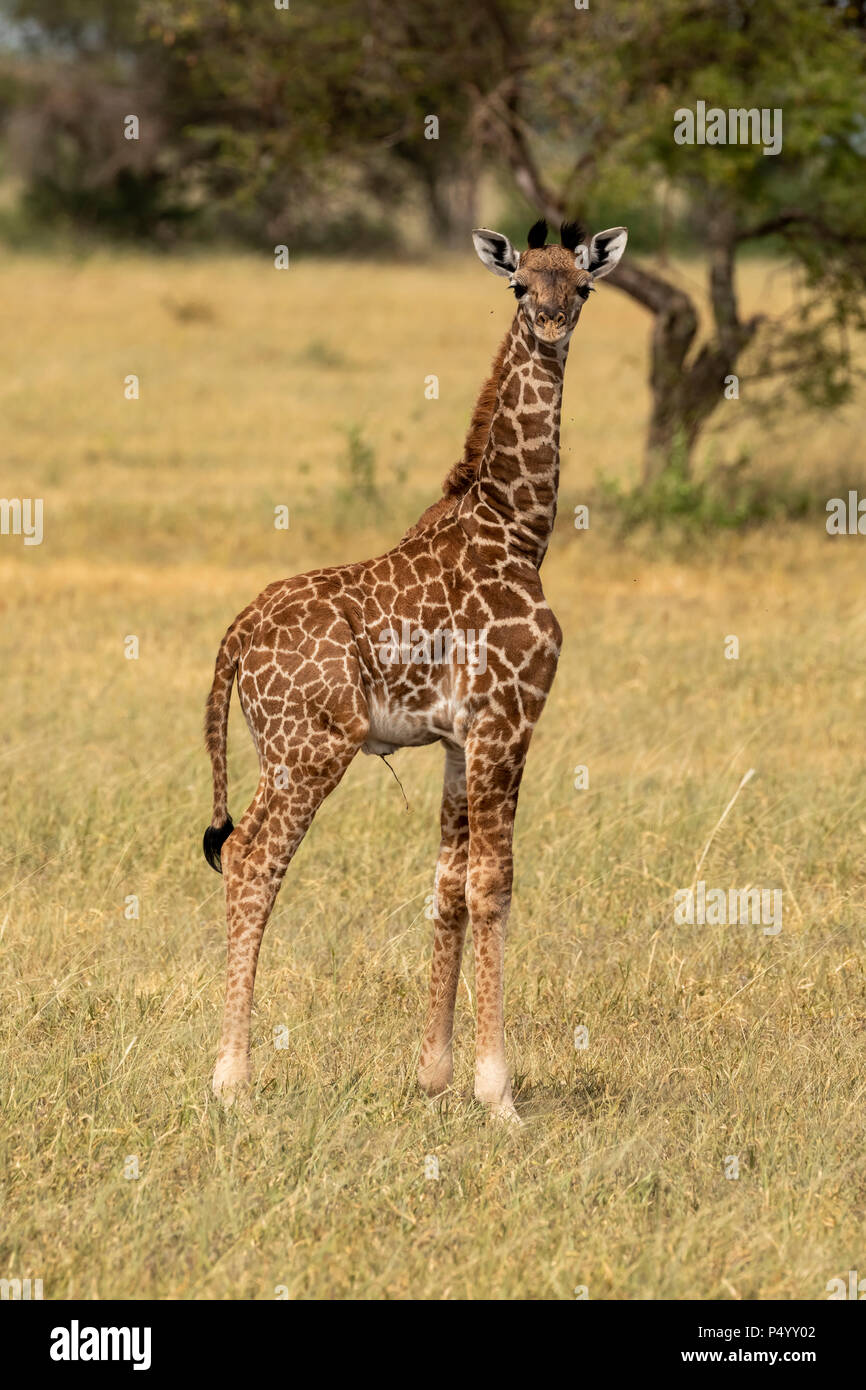
The Role of the New Giraffe Calf
The calf, named Kito, was born to a mother previously part of a translocation program from Tanzania’s Tarangire National Park. Genetic testing confirmed Kito’s lineage as a purebred Masai giraffe, a classification critical for conservation efforts. The park’s director, James Mwangi, stated that Kito’s arrival coincides with a renewed partnership with the Wildlife Conservation Society (WCS), which will fund advanced monitoring technologies to track the calf’s development. “Our goal is to ensure Kito’s survival and use its genetic profile to inform future breeding decisions,” Mwangi said.
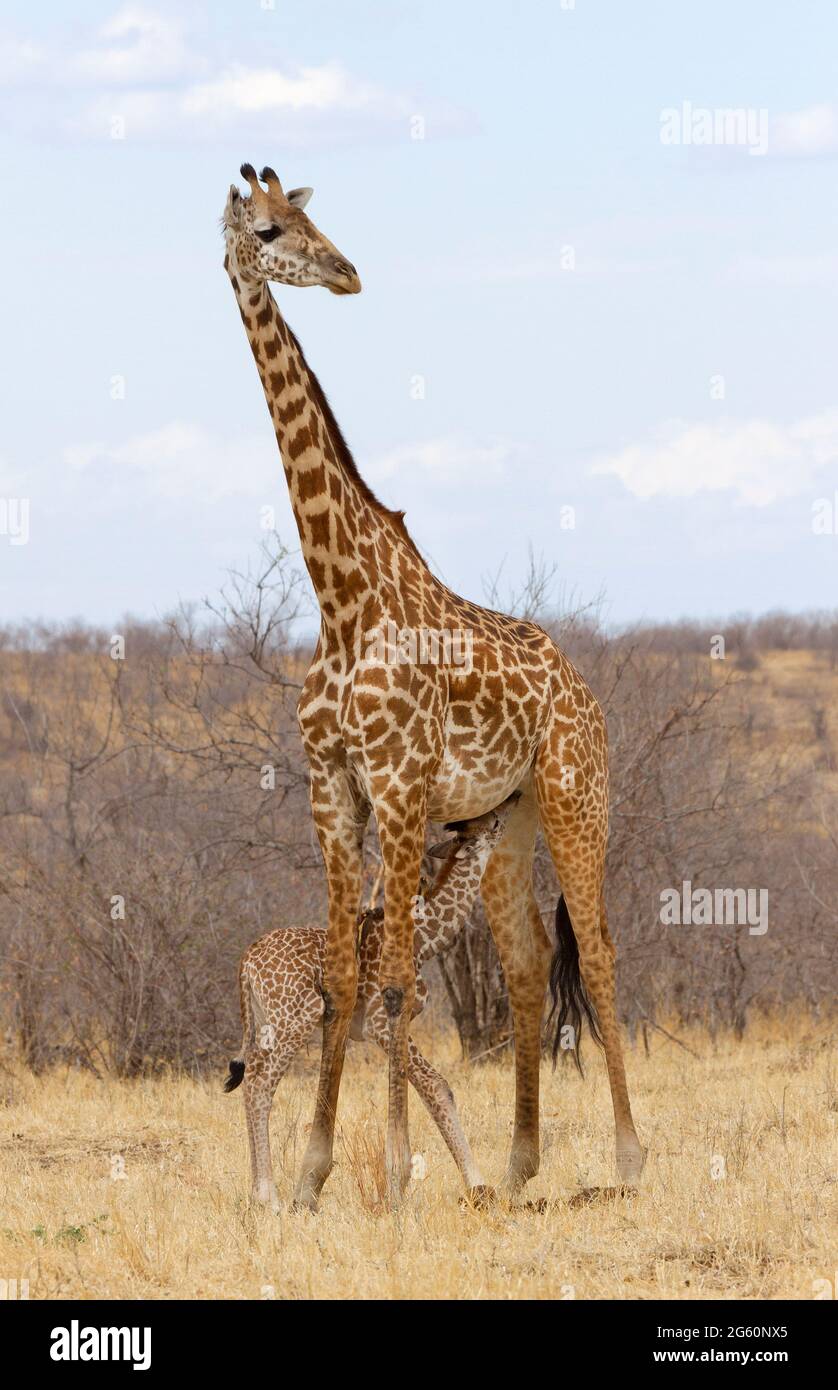
Challenges in Giraffe Population Recovery
Despite the optimism, conservationists caution that captive breeding alone cannot reverse population declines. A 2025 study published in Nature Conservation found that only 12% of giraffe calves in protected areas survive to adulthood, citing predation and limited forage as key obstacles. “Captive programs are a tool, not a solution,” said Dr. Liam Carter, a zoologist at the University of Oxford, who co-authored the study. “We need to address the root causes of habitat fragmentation and human-wildlife conflict.”

Future Prospects
The Nairobi Safari Park plans to release Kito into a semi-captive sanctuary in 2027, a step aimed at preparing the calf for potential reintroduction into the wild. The project aligns with the African Union’s 2026 Global Biodiversity Framework, which sets targets for restoring threatened species. However, funding remains a concern. A June 2026 report by the World Wildlife Fund (WWF) noted that giraffe conservation efforts receive less than 2% of global wildlife funding, compared to 35% for elephants. “We’re racing against time,” said WWF spokesperson Naledi Khumalo. “Every individual matters, but we need systemic support.”
What Comes Next?
The success of Kito’s integration into the sanctuary will be closely monitored, with data shared with international conservation networks. Meanwhile, advocacy groups are pushing for stricter anti-poaching laws and expanded protected areas. As Dr. Njoroge emphasized, “This calf is a symbol of hope, but it’s also a reminder of how fragile these populations remain.”
Find more reporting in our Tech section.
