
Polish Logistics Sector Faces Mounting Debt Crisis as Baltic Competitors Gain Ground
Poland’s transport, shipping, and logistics (TSL) sector is grappling with a deepening debt crisis that threatens the operational stability of thousands of firms. According to the latest data from the National Debt Register (KRD BIG), overdue obligations within the industry have reached 1.66 billion PLN.
The scale of the financial strain is particularly acute in road freight transport, which serves as the backbone of the market. This segment accounts for 79% of the total arrears, with 23,400 entities owing a combined 1.32 billion PLN. This trend underscores a systemic vulnerability in one of Poland’s most vital economic engines, as the TSL industry is responsible for an estimated 6% to 7% of the nation’s GDP and employs between 700,000 and 900,000 people.
Adam Łącki, president of KRD BIG, highlighted a worrying upward trajectory in these liabilities. Total sector debt has increased by more than 69 million PLN year-over-year, while the average debt per company has risen by over 2,000 PLN. The decision to track these metrics reveals a growing susceptibility to payment bottlenecks across the industry.

Of particular concern to analysts is the nature of the debt. Łącki noted that arrears are not primarily stemming from peripheral expenses, but from essential daily operating costs. The debt is concentrated in payments owed to fuel suppliers, leasing companies, and insurers. Because these costs are fundamental to the movement of goods, the inability to settle these accounts directly threatens the current capacity of firms to execute orders.
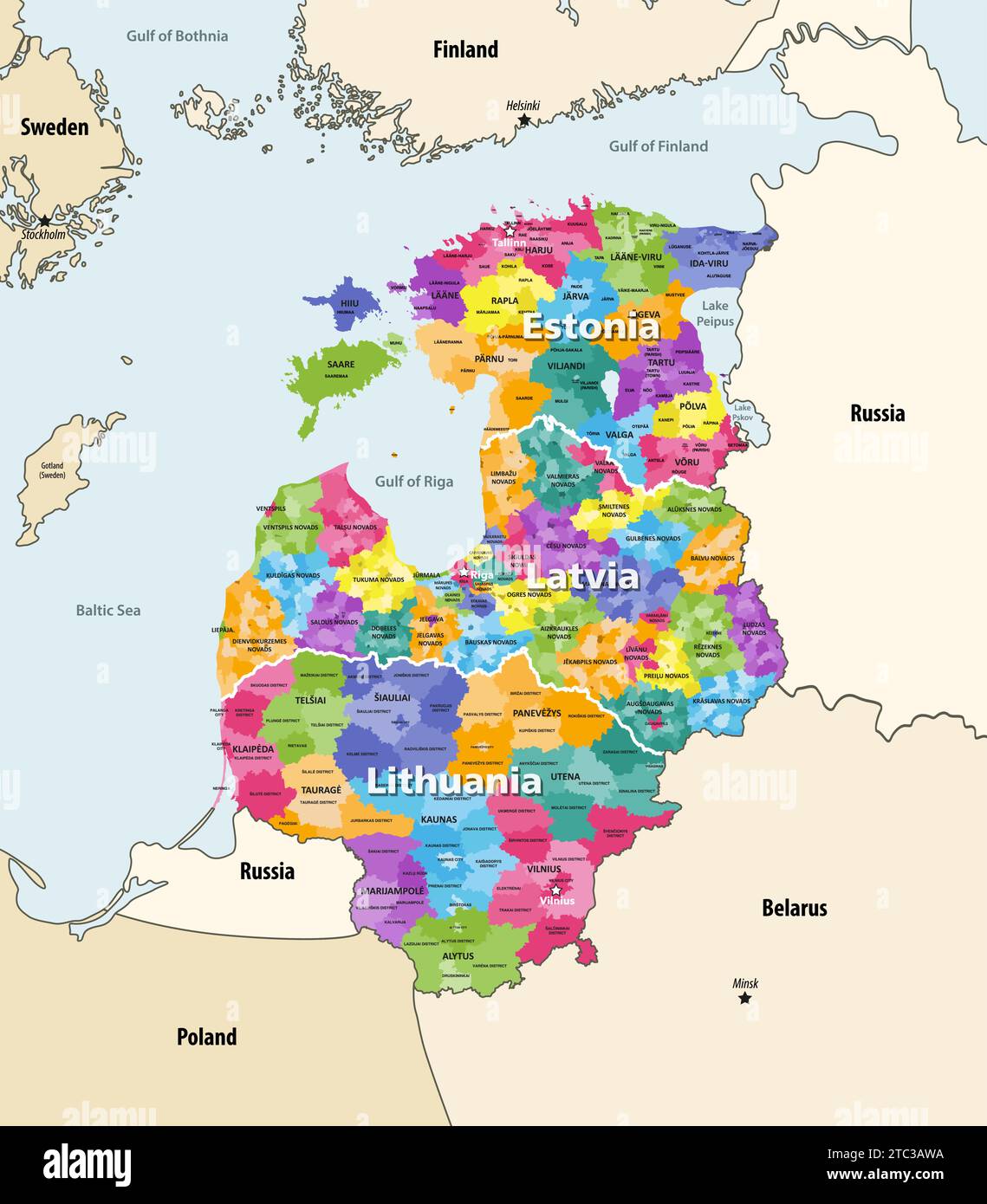
The economic pressure is being further exacerbated by geopolitical tensions and trade restrictions. Sanctions exchanged between Warsaw and Minsk, alongside complexities at the border crossing with the Kaliningrad Oblast, have disrupted traditional trade flows. This volatility has created a strategic opening for regional competitors, with Lithuania and Latvia reportedly gaining an advantage as Polish firms struggle.
The severity of the situation was captured by industry observer Buczek, who stated that the Polish carrier “must cry and pay” in order to maintain even minimal trade relations. This suggests that the combination of rising operational debt and geopolitical headwinds is forcing Polish logistics providers into a precarious financial position to remain competitive in the international market.
