
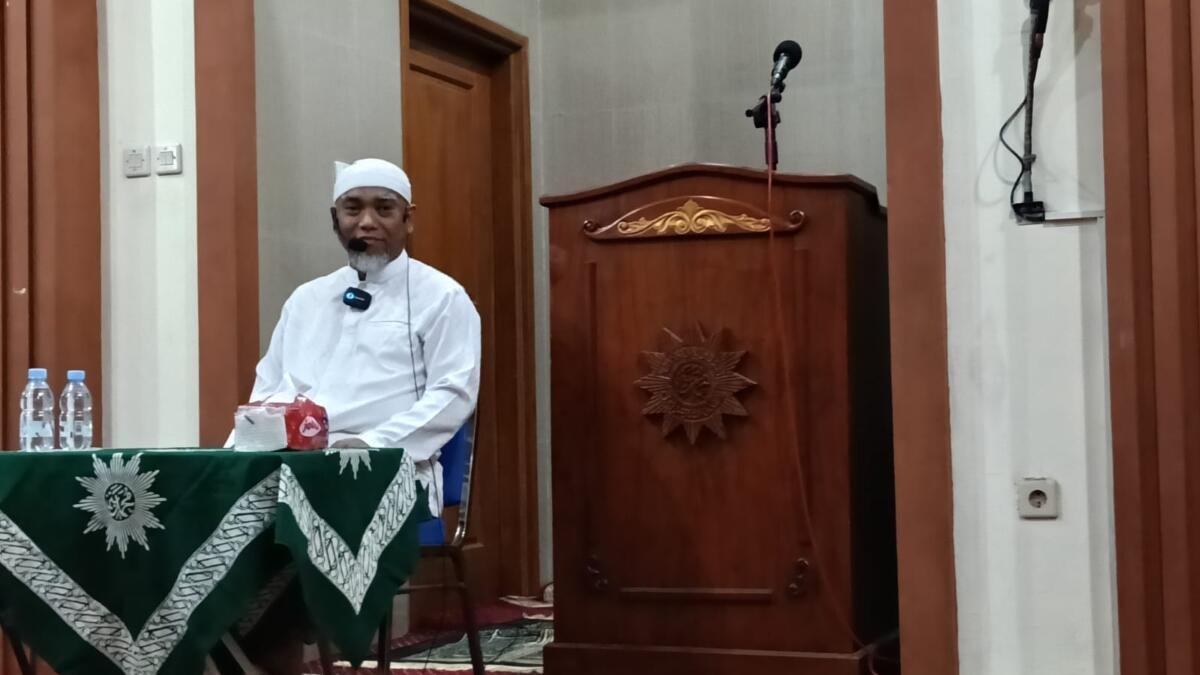
Dr. Tjatur highlighted the combined power of theological insight and medical science in preventing measles during Islamic study sessions at PRM Grabagan. Speaking to local health advocates, he emphasized that faith-based communities can play a vital role in public health efforts when religious teachings are aligned with evidence-based medicine.
He explained that misinformation about vaccines often spreads in close-knit gatherings, but trusted religious leaders can counter myths by framing immunization as an act of care and responsibility — values deeply rooted in Islamic tradition. By integrating medical facts into religious discussions, Dr. Tjatur said, communities become more receptive to preventive health measures.
The approach, he noted, has already shown promise in increasing vaccine acceptance among participants in Grabagan’s study circles, where leaders now routinely discuss the importance of measles vaccination alongside spiritual teachings. This model, he suggested, could be replicated in other regions facing similar challenges with vaccine hesitancy.
Dr. Tjatur stressed that preventing outbreaks like measles requires more than clinics and campaigns — it demands engagement with the cultural and spiritual frameworks that shape people’s health decisions. When theology and medicine work together, he said, the result is stronger trust, better outreach, and healthier communities.
