
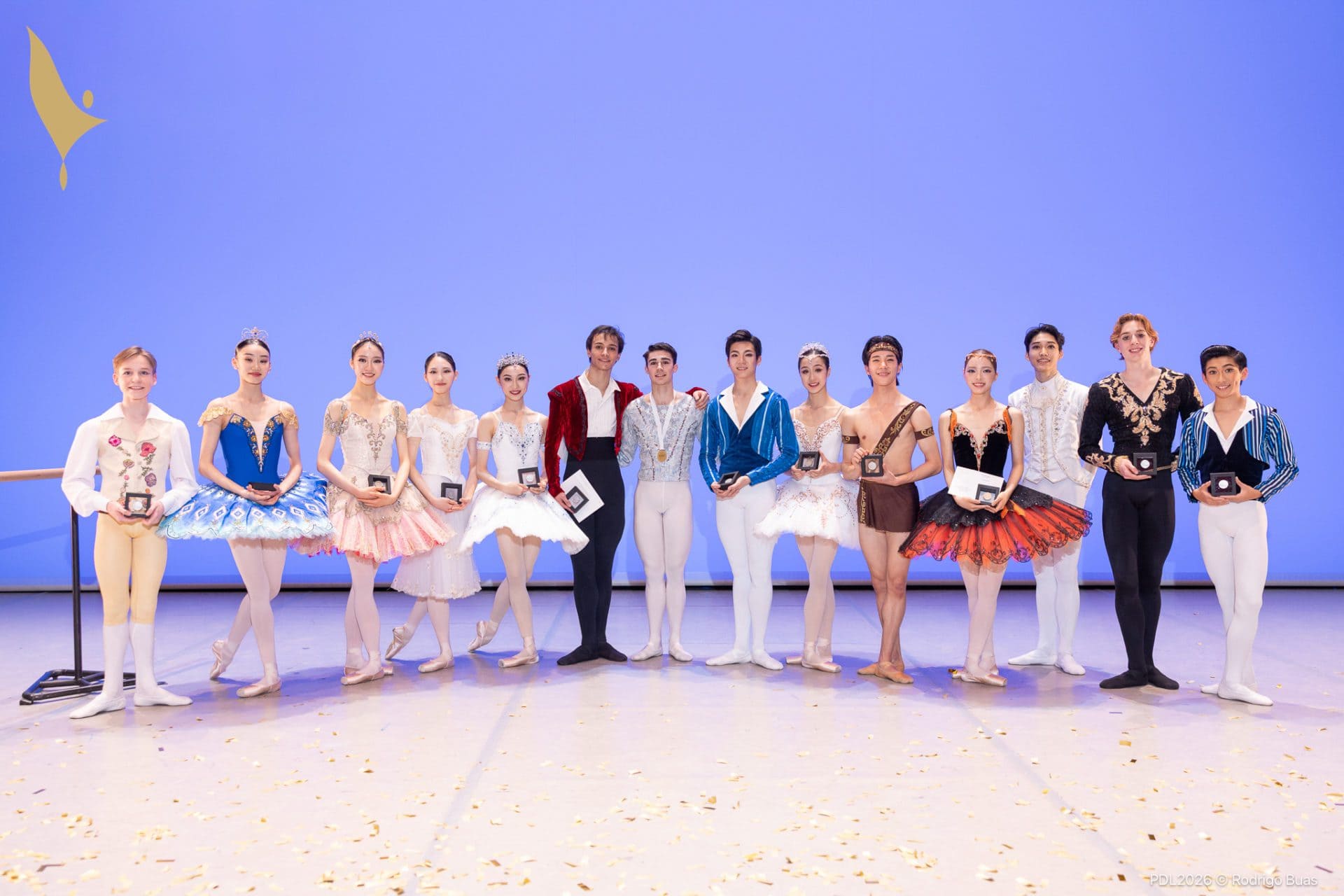
Fourteen young dancers were recognized at the Prix de Lausanne 2026 Finale, held Saturday, February 7, 2026, at the Théâtre de Beaulieu in Lausanne. The prestigious competition, a key stepping stone for aspiring ballet professionals, saw 21 finalists selected from an initial group of 78 participants.
Prix de Lausanne 2026: Complete Results and Scholarships Awarded
By the rédaction
A jury led by Kevin O’Hare, Director of The Royal Ballet, ultimately chose fourteen scholarship recipients, offering them opportunities to continue their training with leading dance schools and companies. The Prix de Lausanne has long been considered one of the most important competitions in the dance world, providing not just recognition but crucial access to professional development.
An International Launchpad for the Next Generation
Founded to support promising dancers aged 15 to 18, the Prix de Lausanne’s scholarships aren’t merely symbolic; they provide access to renowned schools and companies, helping young talent launch their careers.
This year’s competition highlighted its international scope, with winners hailing from the United States, South Korea, China, Japan, Belgium, and Romania.
The Fourteen Scholarships of the Prix de Lausanne 2026
The 1st Scholarship – Fondation Caris – was awarded to William Gyves (United States).
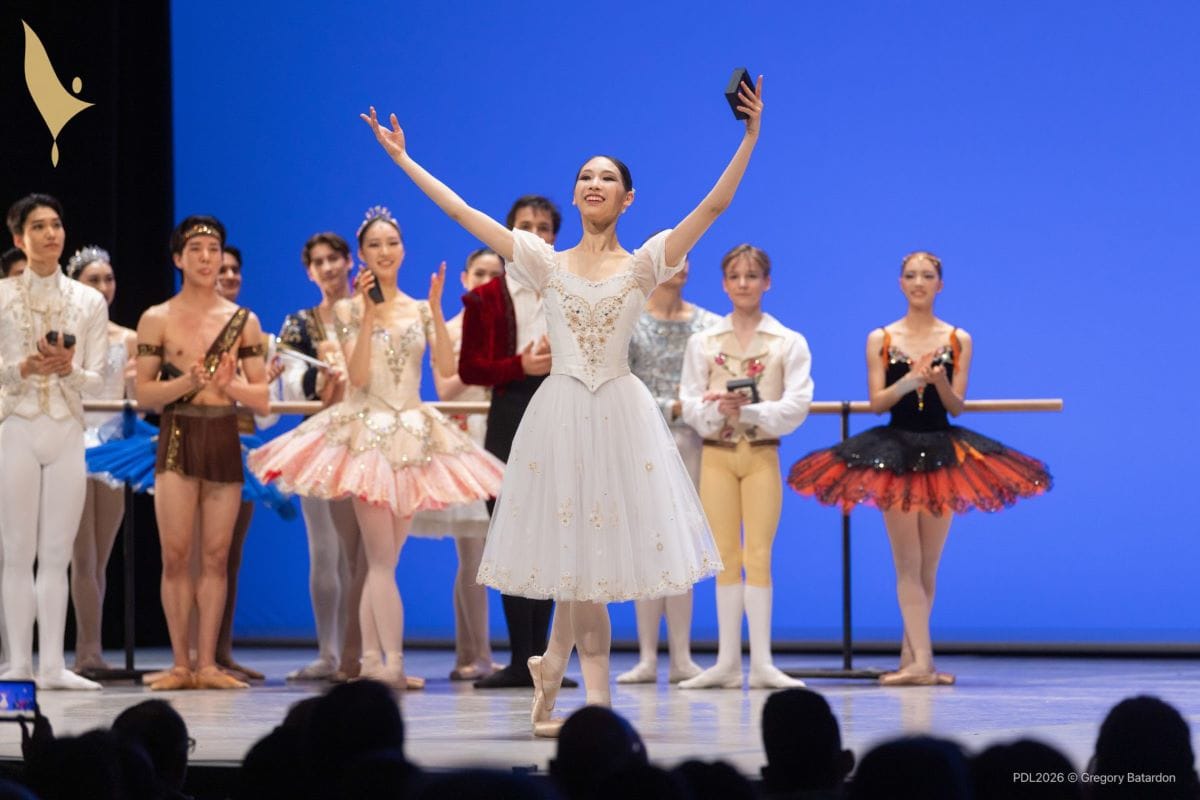
The 2nd Scholarship – Jeune Étoile Scholarship – went to Yeom Dayeon (South Korea).
The 3rd Scholarship – Astarte Scholarship – was presented to Huang Jingxinyu (People’s Republic of China).
The 4th Scholarship – Fondation Maurice Béjart – recognized Qin Yihan (People’s Republic of China).
The 5th Scholarship – Curél – was awarded to Sai Yusei (Japan).
The 6th Scholarship – Jeune Espoir Scholarship – went to Cao Yufei (People’s Republic of China).
The 7th Scholarship – Fondation Anita et Werner Damm-Etienne – recognized Shin Ara (South Korea).
The 8th Scholarship – Fondation Hélène et Victor Barbour – was awarded to Thijs Jetro (Belgium).
The 9th Scholarship – Aud Jebsen Scholarship – went to Dragos Gramada (Romania).
The 10th Scholarship – Oak Foundation – recognized Kim Tae Eun (South Korea).
The 11th Scholarship – Roland Petit Zizi Jeanmaire Scholarship – was awarded to Bang Suhyeok (South Korea).
The 12th Scholarship – Fondation Coromandel – went to Son Mingyun (South Korea).
The 13th Scholarship – Rudolf Nureyev Foundation – recognized Milo Demeulenaere (United States).
The 14th Scholarship – Fondation Françoise Champoud – was awarded to Jeon Jiyul (South Korea).
Beyond the rankings, the awards demonstrate a strong artistic commitment, combining technical skill with a developing stage presence.
Special Prizes: Interpretation and Audience Choice
Additional awards were also presented. The Minerva Kunststiftung Prize for Contemporary Interpretation was given to Dragos Gramada (Romania), who also received the Beaulieu Prize, offered by Beaulieu SA. This double recognition highlights the artistic merit of his work.
Finalists who did not receive a scholarship were awarded the Finalist Prize, worth 1000 CHF and offered by Bobst SA.
The audience also had its say. The Web Public Prize, supported by ARTE Concert and the Foundation for Choreographic Art, was awarded to Pietra Rego de Souza (Brazil). The Public Prize went to Yeom Dayeon (South Korea), confirming the enthusiastic response to her performance.
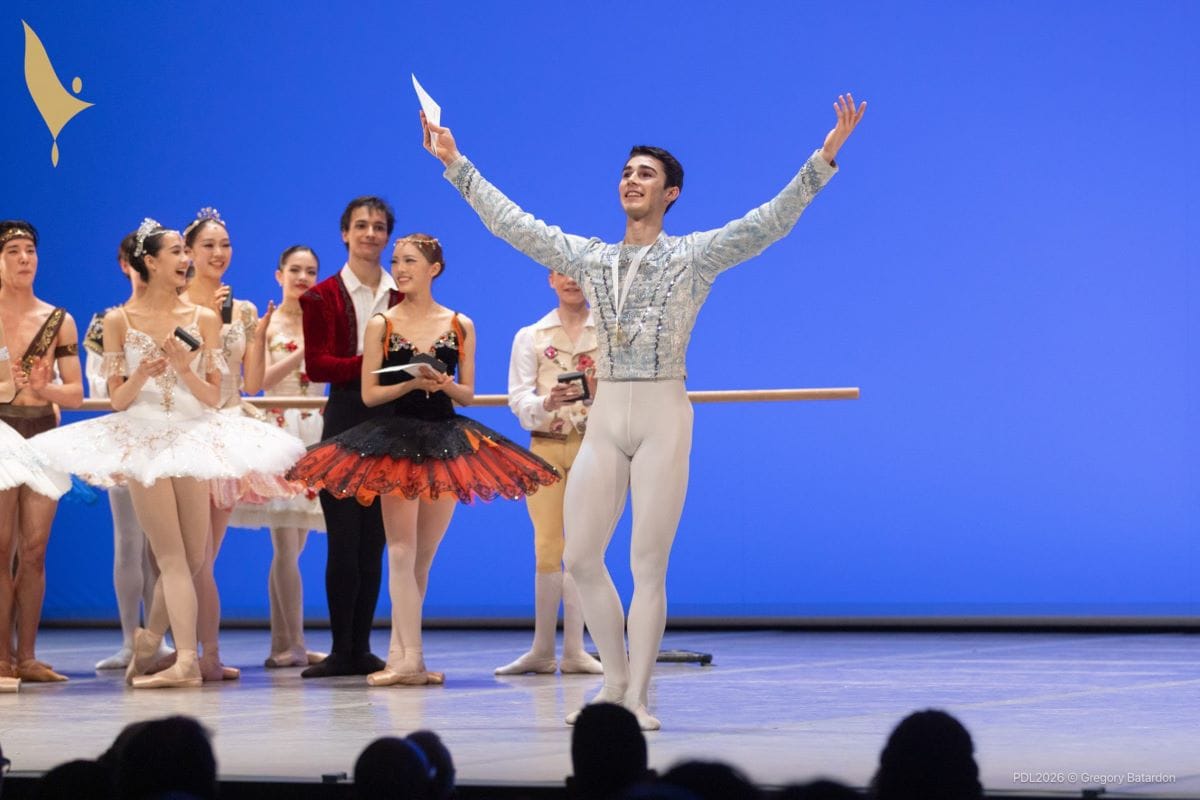
Finally, the Prize for Best Swiss Candidate, offered by the Jacqueline de Cérenville Foundation, was awarded to William Gyves (United States).
A Competition Focused on Support
Seolah Kim (121), who was unable to participate in the Selections due to injury, will nevertheless attend the Networking Forum and receive feedback from the jury on her performance. This demonstrates the Prix de Lausanne’s commitment to mentorship and pedagogical dialogue.
With the 2026 edition, the Prix de Lausanne reaffirms its role as a bridge between training and career. In a context where technical excellence is no longer enough without depth of interpretation, these fourteen young artists embody a generation attentive to the demands of both the classical repertoire and contemporary works.
