
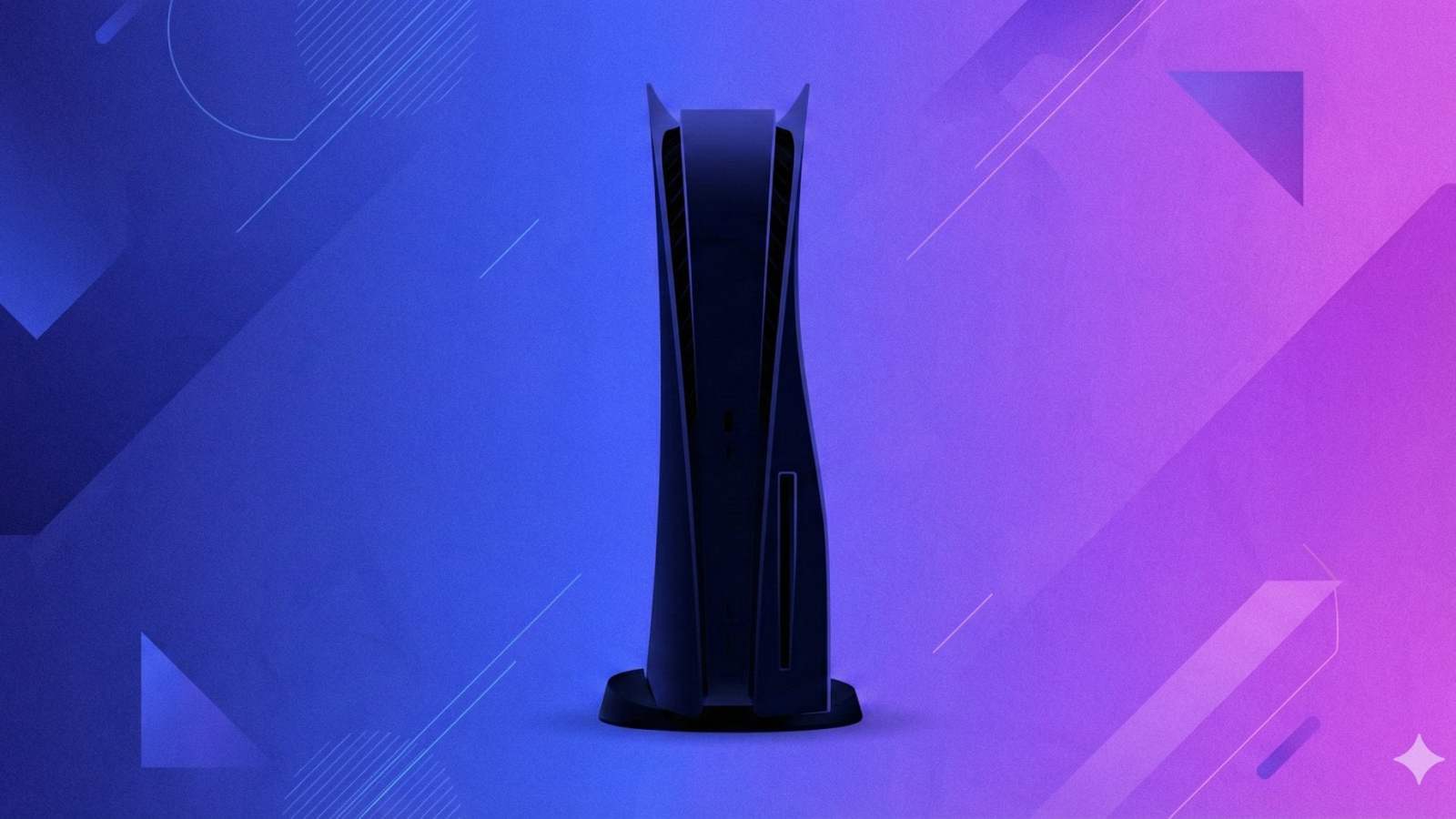
Sony is actively considering pushing the release of the PlayStation 6 console to 2028 or even 2029, according to a Bloomberg-sourced report. This delay comes amid ongoing component shortages, particularly the global memory crisis fueled by the exponential growth of AI data centers, which has significantly impacted console development timelines.
Initially rumored for a 2027 launch, the PlayStation 6’s release window has now shifted to late 2028 or 2029. The delay reflects broader industry challenges in securing critical components, especially memory chips, as demand from AI infrastructure continues to strain supply chains.
Despite the postponement, rumors continue to circulate about the console’s hardware and pricing strategy. Sony is reportedly exploring a three-tier hardware approach that includes a PS6 Lite, a PS6 Standard or Pro model and a dedicated handheld codenamed “Project Canis.”
Estimated pricing for the PS6 lineup ranges from $350 for the Lite model to as high as $999 for the Pro or Orion variant. Some reports suggest a more moderate launch price of $749 for the base configuration, though final figures remain unconfirmed.
The PlayStation 6 is expected to feature custom AMD Zen 6 architecture, RDNA 5 graphics, dedicated “Neural Arrays” for AI-powered upscaling (PSSR 2.0), and 32GB of DDR7 RAM. These specifications aim to deliver significant performance gains while integrating AI-enhanced features directly into the hardware.
Backward compatibility remains a key focus, with multiple sources confirming that the PS6 will support PS4 and PS5 games, potentially extending further to earlier generations. This approach aims to avoid repeating past missteps by competitors and ensure a smoother transition for existing PlayStation users.
a native companion handheld device is heavily rumored to launch alongside the main consoles, offering a seamless portable experience tied directly to the PS6 ecosystem. While details remain scarce, the handheld—referred to as “Project Canis”—could represent a strategic move to counter growing competition in the portable gaming space.
As of April 2026, enthusiasts are more focused on the console’s eventual arrival and price point than its raw power or feature set, reflecting shifting priorities in the wake of recent hardware inflation and economic uncertainty.
