

Paris Saint-Germain (PSG) has defended its Champions League title with a dramatic 4-3 penalty shootout victory over Arsenal in Saturday’s final in Budapest, securing back-to-back European crowns in a match that saw the French giants overcome a 1:0 deficit and a disciplined Arsenal defense. The win—PSG’s first in the competition since 2018—caps a season where the club’s attacking firepower triumphed over Arsenal’s meticulous tactical structure, while also exposing the Gunners’ penalty-kick jitters in the biggest moment of their campaign. With Arsenal’s last Champions League triumph dating to 2006, PSG’s victory marks the first time since Real Madrid’s 2018 back-to-back that a club has repeated as European champions.
PSG’s Tactical Adaptability and Arsenal’s Defensive Over-Reliance Exposed in Budapest
The clash between PSG and Arsenal in Budapest was never just about two teams—it was a collision of narratives. PSG, the club with the most expensive squad in world football and a season marred by defensive frailties in domestic league play, arrived as underdogs in the eyes of many. Arsenal, meanwhile, had spent the campaign refining their defensive identity under Mikel Arteta, a system that had stifled even the most attacking sides in the Premier League. Yet for all of Arteta’s tactical brilliance, the final exposed a flaw: Arsenal’s inability to convert pressure into goals, particularly when facing PSG’s relentless high press and counterattacks.
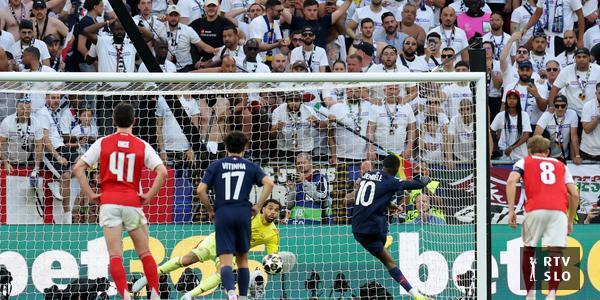
The opening goal from Kai Havertz in the sixth minute—scored after a fortuitous deflection from Leandro Trossard—set the tone. Havertz, a player who had spent much of the season struggling for consistency at Chelsea, delivered in the moment that mattered most. But PSG’s response was immediate. By the 62nd minute, Cristhian Mosquera’s foul on Khvicha Kvaratskhelia had handed PSG a penalty, and Ousmane Dembélé—who had been plagued by injury concerns earlier in the tournament—stepped up to equalize. The stage was set for a classic: two evenly matched teams, a 1:1 stalemate after 120 minutes, and the fate of the trophy resting on the nerves of five penalty takers.
How the Penalty Shootout Revealed Arsenal’s Psychological and Structural Weaknesses
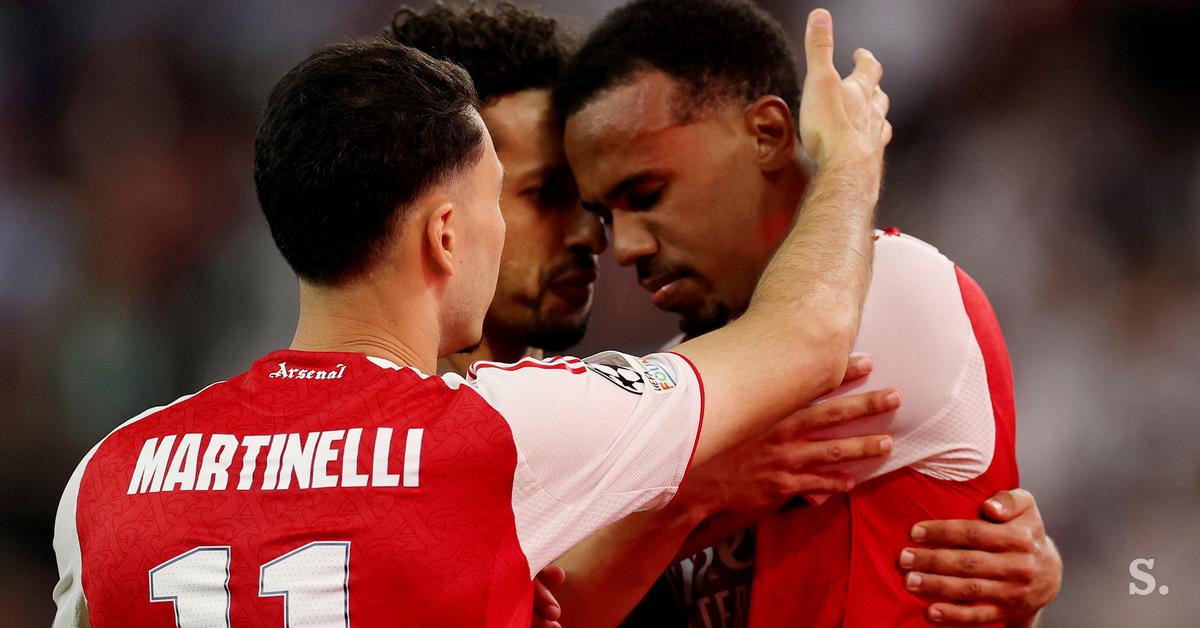
The shootout became a microcosm of the season’s broader themes. Arsenal’s Gabriel Magalhães and Eberechi Eze both missed, their composure shattered by the weight of the occasion. PSG’s David Raya, meanwhile, made a crucial save on Nuno Mendes before the French side prevailed 4-3. The victory wasn’t just about skill—it was about mental resilience in the crucible of Europe’s biggest stage. For a club that had spent the domestic season floundering, this was redemption on the grandest possible stage.
Arsenal’s Defensive Mastery Backfired as PSG’s Attacking Flexibility Decided the Final
Arsenal’s path to the final had been built on an unassailable defensive record. Under Arteta, the Gunners had allowed the fewest goals in the Premier League, a system so impenetrable that even Manchester City—traditionally the league’s most attacking side—had struggled to break them down. In Budapest, that philosophy reached its zenith. According to RTVSLO, Arsenal held 76% of possession in the second half, yet PSG’s attacks yielded little beyond isolated chances. Fabian Ruiz’s header in the 43rd minute and Vitinha’s near-miss in the 89th were the closest the French side came to scoring—both saved by Raya.
For more on this story, see Bayern Munich vs PSG: Penalty Controversy and Conspiracy Claims.
The problem? Arsenal’s defense was so airtight that it stifled their own attack. The Gunners created just one clear chance in the entire match, a statistic that underscored a season-long trend: Arteta’s side had become experts at parking the bus but were still searching for the killer instinct in front of goal. Havertz’s early strike was the exception, not the rule. The penalty shootout laid bare the truth: Arsenal’s system works when opponents can’t score, but it fails when the pressure shifts to them.
For a club that had spent years chasing a first Champions League title since 2006, the final was a study in contrasts. The defense was flawless; the attack, invisible. The penalty shootout wasn’t just a failure of nerves—it was the culmination of a season where Arsenal’s identity had become too rigid, too predictable. PSG, by contrast, had spent the tournament adapting. Luis Enrique’s side had weathered injuries, tactical adjustments, and a late-season surge to reach the final. Their ability to exploit Arsenal’s defensive vulnerabilities—particularly in transition—proved decisive.
PSG’s European Dominance Contrasts with Lingering Domestic Doubts
PSG’s season had been a rollercoaster. Domestically, the club had underperformed, finishing third in Ligue 1—a far cry from their usual title-winning form. Injuries to key players like Marquinhos and Kylian Mbappé had left gaps in both defense and attack. Yet in Europe, PSG had transformed. The Champions League had become their salvation, a stage where their attacking firepower could shine without the defensive shackles of domestic league play.

The final was no different. PSG’s midfield—led by players like Vitinha and Warren Zaïre-Emery—dominated possession, while their forwards, including Dembélé and Achraf Hakimi, relentlessly probed Arsenal’s defense. The penalty shootout wasn’t just about luck; it was the result of PSG’s ability to create pressure where it mattered. When Arsenal’s defense faltered—whether through fatigue or overconfidence—PSG was there to capitalize.
The victory also marked a turning point for PSG’s identity. For years, the club had been criticized for its lack of consistency, particularly in domestic competitions. But in Budapest, they proved that when it counted, they could deliver. The back-to-back Champions League titles—following their 2018 win—positioned PSG as the dominant force in European club football, a status previously reserved for Real Madrid and Barcelona.
Yet the celebration was tempered by the knowledge that domestic challenges remain. Ligue 1’s competitive balance had shifted, with clubs like Monaco and Lyon closing the gap. PSG’s European success would need to translate into domestic dominance if they were to silence critics who questioned their true greatness.
PSG’s victory has immediate repercussions for the Champions League’s future. The club’s dominance—particularly in back-to-back finals—raises questions about competitive balance in Europe’s top competition. While PSG’s squad depth and financial power are undeniable, their ability to adapt tactically and perform under pressure has set them apart.
For Arsenal, the defeat is a wake-up call. The Gunners had spent years refining their defensive structure, but the final exposed a critical flaw: they still lack a true world-class striker. Havertz’s goal was a reminder that even the most disciplined systems need an edge in attack. The penalty shootout’s failure to produce a winner for Arsenal underscored the need for a player who can deliver in the biggest moments.
The match also highlighted the growing influence of tactical discipline in modern football. Arsenal’s ability to nullify PSG’s attacks was a masterclass in defensive organization, while PSG’s resilience in the shootout proved that mental toughness remains the ultimate differentiator in knockout football.
Looking ahead, the Champions League’s group stage draw for the 2026/27 season will be closely watched. PSG’s victory ensures they will enter as one of the tournament’s favorites, while Arsenal—despite their defensive prowess—will need to address their attacking limitations if they are to mount a serious challenge next season.
For now, though, the celebration in Budapest belongs to PSG. Their second consecutive Champions League title is a statement: in Europe’s biggest stage, it’s not just about money or talent—it’s about heart, adaptability, and the ability to rise when it matters most.
The final score: PSG 4-3 (pen) Arsenal. The trophy stays in Paris—for now.
