

Argentine Vice President Victoria Villarruel sparked renewed political intensity on May 29, 2026, by utilizing the commemoration of the Argentine Army’s 216th anniversary to defend military operations against guerrilla organizations during the 1970s. Her public statements, shared via social media, highlighted her family’s history and reignited national debate regarding state-led counterinsurgency efforts.
Villarruel’s Defense of the Operativo Independencia
The controversy centers on a message posted by the vice president on the social platform X, in which she explicitly linked her personal heritage to the actions taken by the armed forces during the 1970s. Villarruel, who has long established her political profile by advocating for victims of guerrilla violence, utilized the military holiday to honor the service of her late father, Eduardo Marcelo Villarruel.
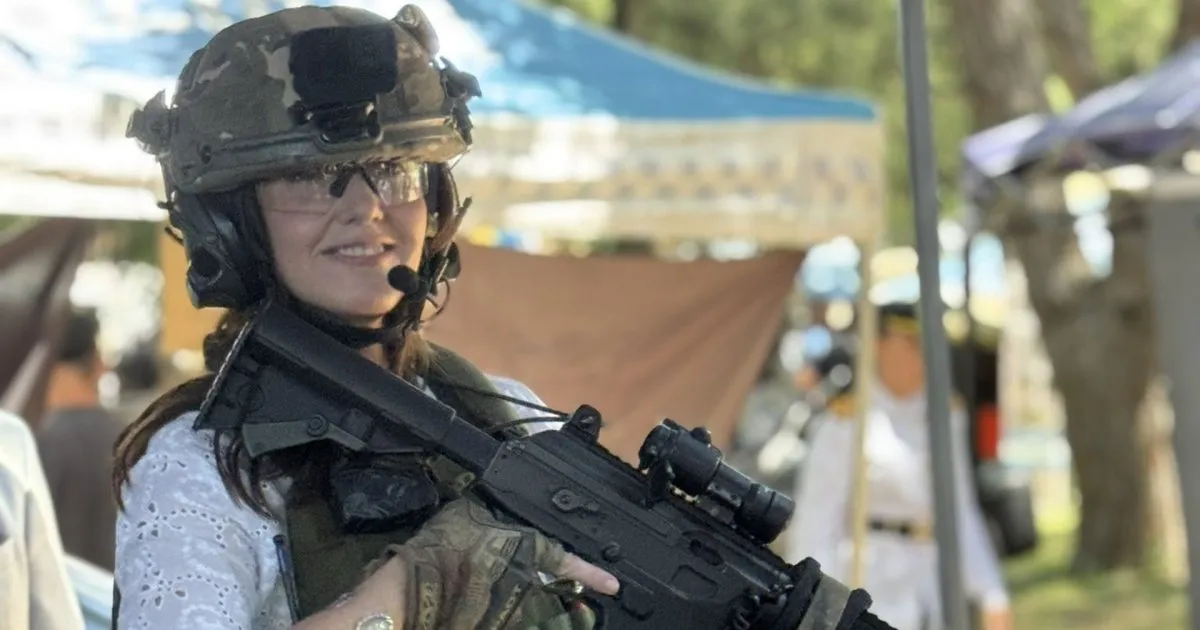
Her father, who passed away in 2021, served in the Operativo Independencia in Tucumán in 1975. According to reporting from El Intransigente, Villarruel emphasized the necessity of that deployment, framing it as a direct response to insurgency.
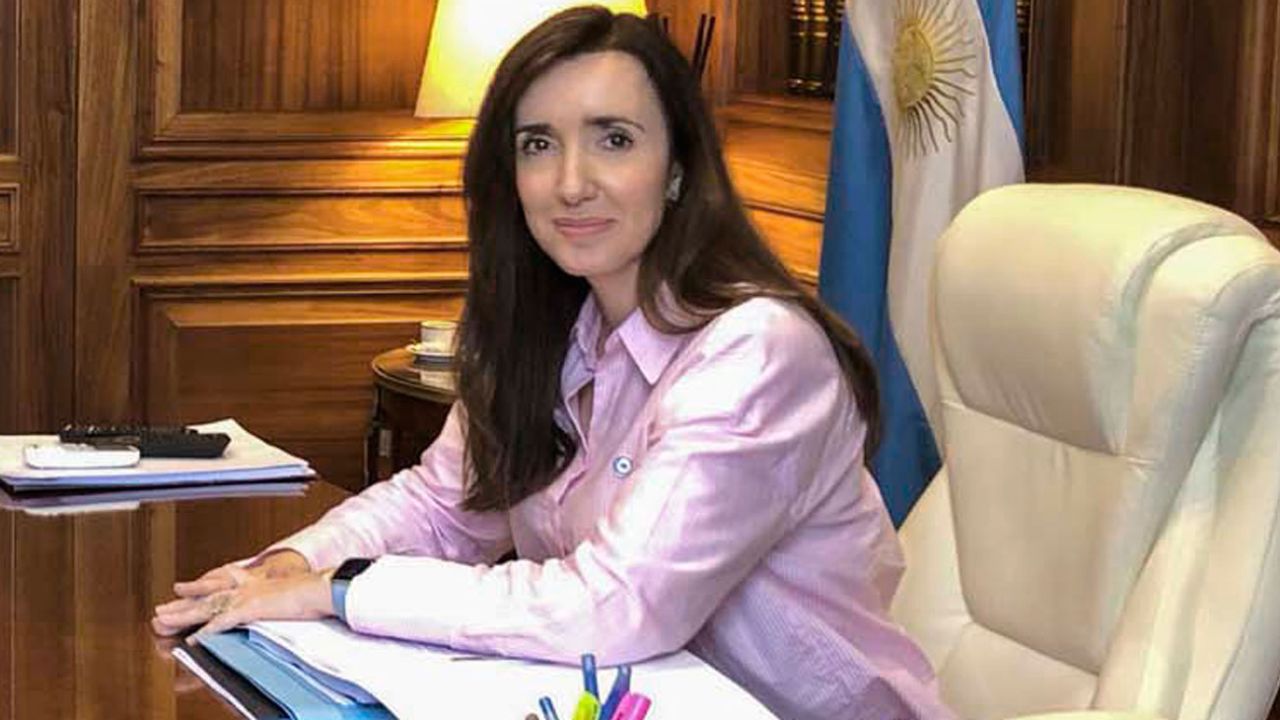
“Como hija de un militar del Ejército que combatió en Tucumán frente al accionar terrorista del ERP y que también defendió nuestra soberanía en Malvinas, sé del sacrificio, la entrega y el amor por la Argentina que hay detrás de cada servicio.”
Victoria Villarruel, Vice President of Argentina
This narrative, which characterizes the military’s role as a necessary lucha antisubversiva (antisubversive struggle), has drawn sharp rebukes from human rights organizations. Critics argue that such rhetoric serves to relativize the state-sponsored crimes committed during the subsequent military dictatorship, a consensus that has been central to Argentine democratic memory since the transition in 1983.
Historical Context and Institutional Identity
Beyond the contentious remarks regarding the 1970s, Villarruel’s messages sought to position the Army as a pillar of national identity. She described the institution as one nacida en los días fundacionales de Mayo, identifying it as a fundamental protagonist in the movements that secured the country’s independence. In addition to her references to the 1970s, she lauded the Army’s modern contributions, including border security, disaster relief, and the maintenance of Argentine presence in the Antarctic.
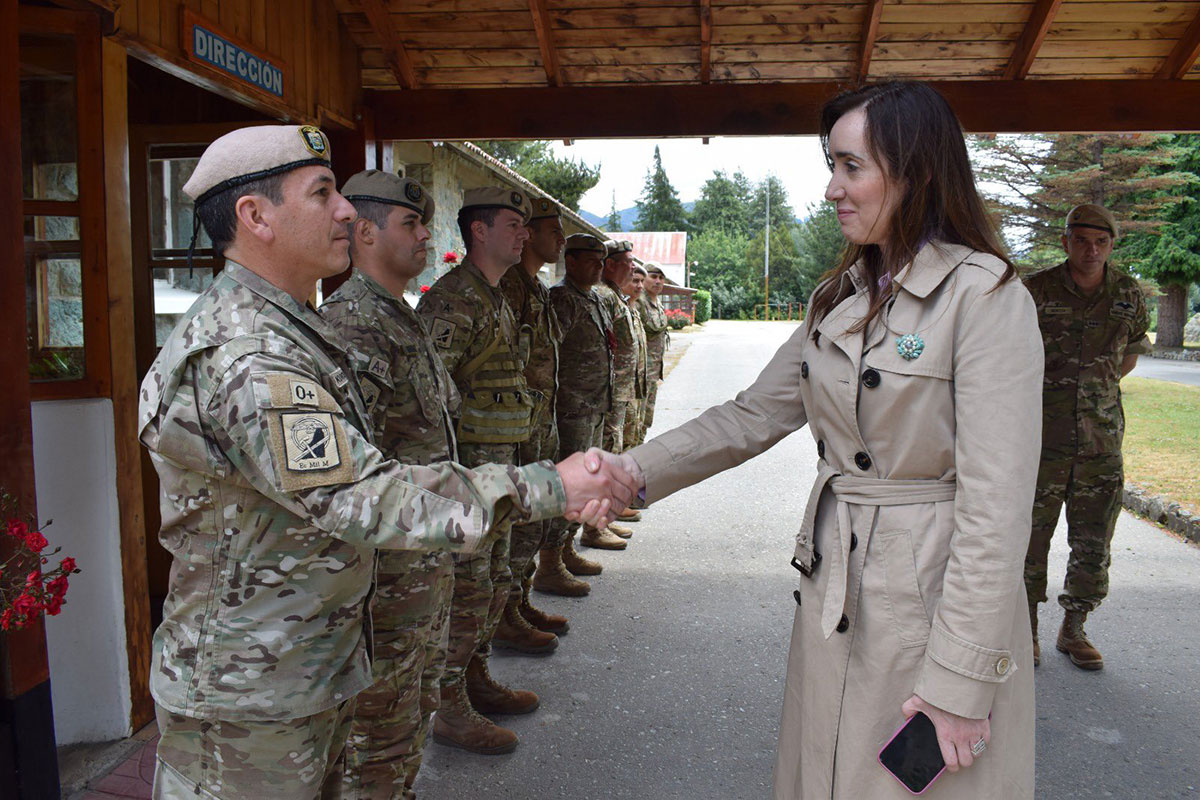
Villarruel further expanded her tribute by highlighting historical military figures who contributed to industrial and scientific growth. She specifically named General Enrique Mosconi, a pioneer of the state petroleum industry, and General Manuel Savio, the creator of Fabricaciones Militares. By connecting the Army to these development-oriented figures, she argued that the institution encarna virtudes que forman parte de lo más profundo de nuestra identidad nacional.
Political Implications Within the Government
The vice president’s latest intervention occurs at a time of internal friction within the executive branch. Observers have noted signs of strained relations between President Javier Milei and Villarruel, characterized by public absences and indirect political signaling. While the administration faces challenges in managing its governing coalition—including the delicate balancing act performed by allies like the PRO party—Villarruel continues to maintain a distinct, independent agenda.
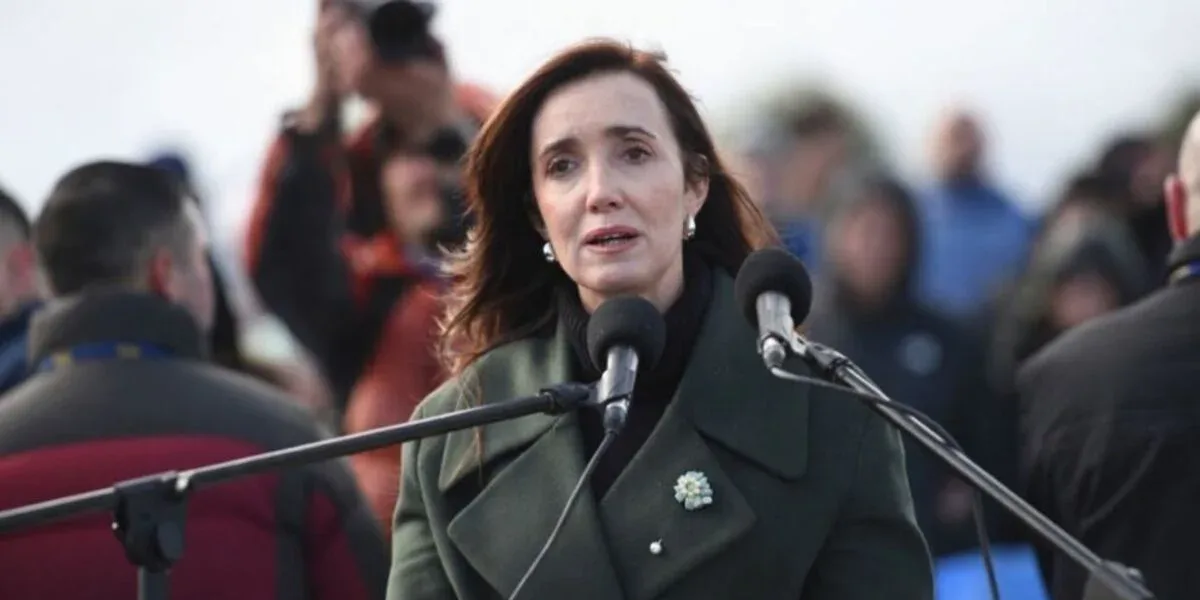
The sensitivity of this moment is heightened by the calendar. As the country approaches the 50th anniversary of the 1976 coup, any discourse regarding the military’s role in the 20th century carries significant weight. For the administration, the challenge lies in maintaining a cohesive narrative while navigating deep-seated societal divisions regarding the legacy of the military junta.
Parallel to the vice president’s statements, the Ministry of Defense issued a formal communication marking the 216th anniversary of the Army. That statement focused on a process of modernization and operational transformation, emphasizing that the force remains committed to the ideals of General José de San Martín while adopting new technologies to bolster national sovereignty.
As the political fallout from the vice president’s comments continues, the focus remains on whether these expressions of historical revisionism will further alienate moderate political sectors or solidify the support of the administration’s core base. With the executive branch already juggling internal tensions and economic management, the resurgence of the debate over the 1970s ensures that memory and history will remain at the forefront of the national conversation for the foreseeable future.
