

Quebec Launches Mass Vaccination Campaign to Curb Raccoon Rabies Outbreak
Public health officials in Quebec have launched an ambitious vaccination campaign targeting wild animals in an effort to contain a growing raccoon rabies outbreak that has spread across southern regions of the province.
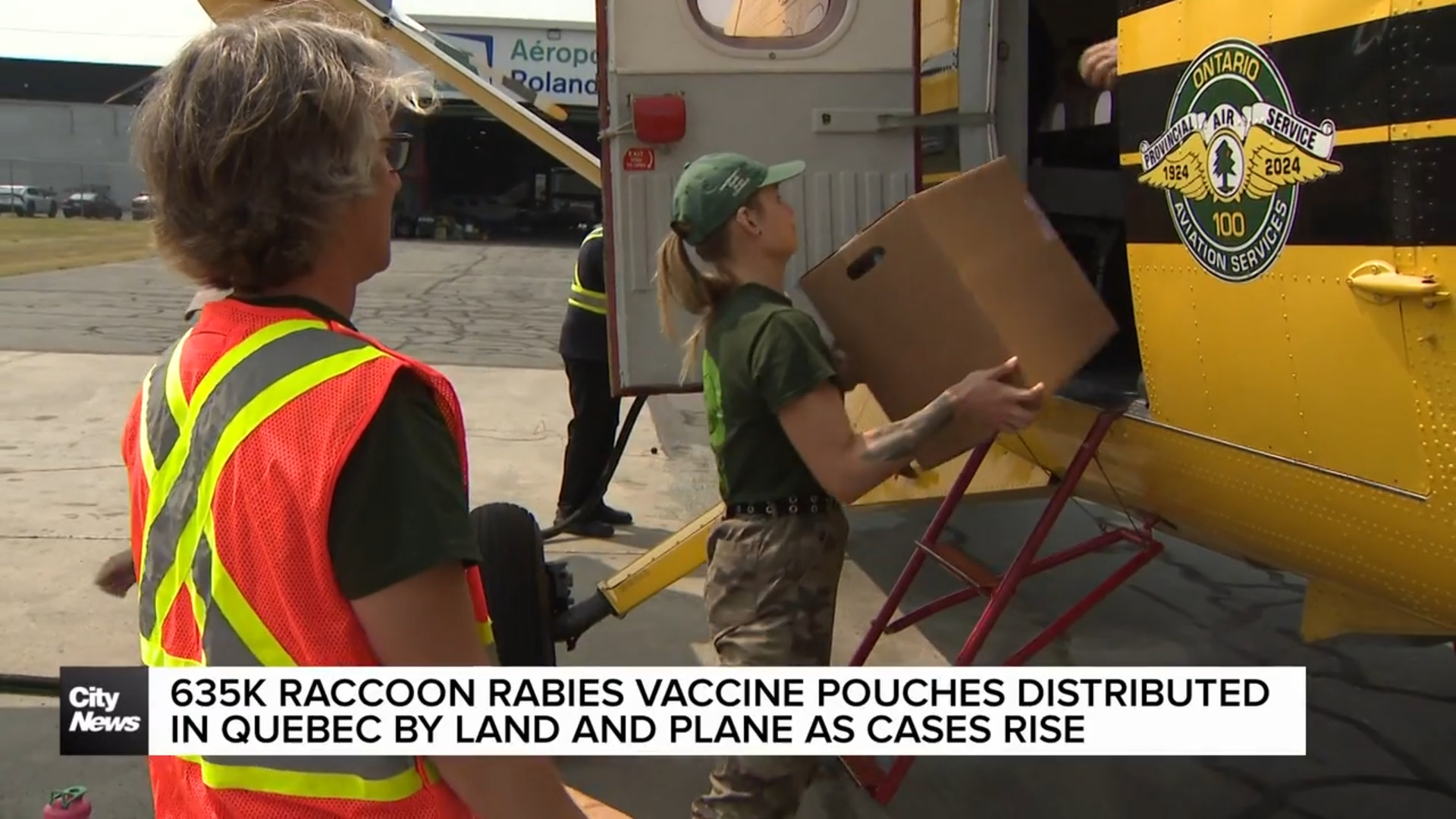
The operation, which began April 27 and will continue through May 10, involves distributing more than 206,000 vaccine baits across approximately 2,500 square kilometers of Estrie and Montérégie—an area encompassing 55 municipalities. The campaign aims to immunize raccoons, skunks and foxes, the primary carriers of the disease in the region.
How the Vaccination Works
The vaccine baits resemble small green packets—similar to ketchup sachets or olive-green ravioli—and emit a sweet scent designed to attract target animals. Once consumed, the baits trigger an immune response that protects the animals from rabies without exposing them to live virus.
“These baits are engineered to withstand weather conditions and blend into natural environments,” officials explained. “They pose no risk to humans or pets, as they contain no active rabies virus.”
Teams will distribute the baits manually in areas frequented by raccoons and other at-risk species, including riverbanks, agricultural field edges, abandoned buildings, and near trash receptacles. Residents who encounter the baits are advised not to handle them and to report their location through Quebec’s official public health portal.
Outbreak Spread Triggers Expanded Surveillance
The vaccination campaign comes in response to a steady increase in raccoon rabies cases detected in Quebec since December 2024. The outbreak has now spread northward, prompting officials to add 21 municipalities to an enhanced surveillance zone, including three in the Centre-du-Québec region.
In a recent development, a case was confirmed in Saint-Cyprien-de-Napierville, underscoring the urgency of containment efforts. Meanwhile, 16 municipalities in eastern Estrie have been removed from the high-risk zone after sustained periods without new detections.
“The northward progression of the outbreak is concerning,” said a spokesperson for Quebec’s Ministry of Environment, Climate Change, Wildlife and Parks. “Expanding surveillance and vaccination efforts is critical to preventing further spread.”
Public Health Implications
Rabies remains a fatal disease in both animals and humans if left untreated. Although human cases are rare in North America due to widespread pet vaccination and post-exposure protocols, wildlife outbreaks pose ongoing risks to domestic animals and livestock. The current campaign reflects a proactive approach to managing zoonotic diseases before they escalate into broader public health threats.
Residents in affected regions are urged to report any sightings of raccoons, skunks, or foxes exhibiting unusual behavior—such as disorientation, aggression, or paralysis—to provincial authorities at 1-877-346-6763. Early detection helps officials track the outbreak’s trajectory and adjust response strategies accordingly.
What Comes Next
The vaccination campaign is part of a broader strategy to eliminate raccoon rabies in Quebec, which has seen periodic resurgences over the past decade. Similar efforts in neighboring U.S. States, such as New York and Vermont, have successfully reduced case numbers through targeted bait distribution and surveillance.
For now, officials emphasize that the current operation is a preventive measure. “By vaccinating wildlife now, we aim to create a buffer zone that limits the disease’s spread,” they noted. “This is a critical step in protecting both animal and human health.”
