
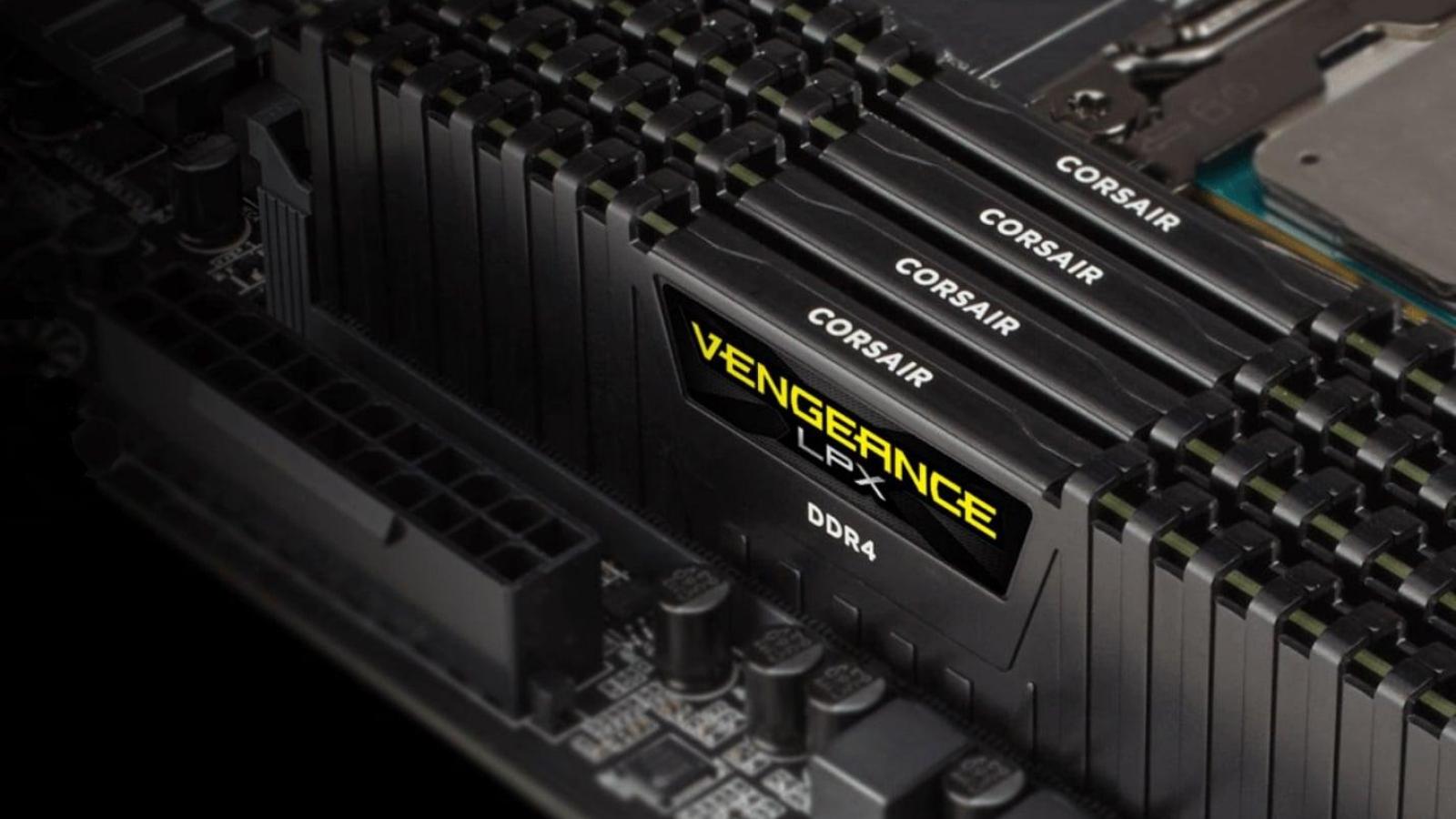
PC builders and consumers face a harsh reality this winter as soaring demand – fueled by the artificial intelligence boom – drives up RAM prices and creates a critical shortage. Major manufacturers like Asus and MSI are already scrambling for limited supply, with costs doubling in the last month alone, and experts predict the supply crunch could extend into 2027. The situation highlights a shift in production priorities within the semiconductor industry, impacting not only individual upgrades but also perhaps delaying the launch of anticipated products like Nvidia’s RTX 50 Super series.
PC upgrades are facing a significant hurdle this winter as RAM prices surge, effectively turning the component into a luxury item. Major manufacturers like Asus and MSI are reportedly scrambling to secure memory on the spot market, driving prices to double in just one month. Experts are now forecasting shortages that could extend until 2027.
The situation has reached a critical level rarely seen in the industry. Samsung has already substantially increased its pricing, and some product launches, including Nvidia’s RTX 50 Super series, are now potentially at risk of cancellation or delay due to memory availability. Simply put, there isn’t enough RAM to meet current demand.
For more information
Smartphone, tablet, PC: Why the prices of our tech products are threatened by a historic increase
Traditionally, major hardware manufacturers such as Asus and MSI operate with long-term contracts, negotiating fixed prices with memory suppliers like Samsung, SK Hynix, and Micron, and receiving components on a pre-established schedule. That model has now broken down. These same companies are now behaving like retail buyers, aggressively purchasing on the spot market, where prices fluctuate in real-time based on supply and demand.
According to DigiTimes, Asus currently holds only a two-month supply of RAM, a dramatically low level for a company of its size. This severely impacts production planning, forcing manufacturers into a frantic race to secure available stock, even at exorbitant prices – a situation unprecedented in the market.
For more information
AI is making your next PC more expensive: this manufacturer announces a price increase on November 4
AI Drives Up RAM Demand
The primary driver of this crisis is the surge in demand for servers powered by artificial intelligence. These machines utilize LPDDR5X, a low-power memory specifically designed for AI applications, rather than standard DDR5. The core issue is that both LPDDR5X and traditional DDR4/DDR5 are manufactured on the same production lines.
The three major memory manufacturers – Samsung, SK Hynix, and Micron – have significantly shifted their production capacity towards LPDDR5X. This is a more profitable venture, with guaranteed demand and higher margins. Consequently, production of standard DDR4 and DDR5 has declined, creating a supply squeeze as demand for PC RAM, traditional servers, and consumer electronics remains stable, or even increases.

The Lenovo Legion 5i (RTX 5070) for €1,299 instead of €1,799
At Lenovo, the BLACKFRIDAY code offers a €500 discount on the powerful Legion 5i 15″. Featuring an Nvidia RTX 5070 graphics card, 13th generation Intel Core i7 processor, 32 GB of RAM, and a 165 Hz screen… for €1,299 instead of €1,799.
For more information
DDR5, DDR4: What are the best RAM modules for PC in 2025?
The numbers speak for themselves. Between mid-September and mid-October 2025, the average price of DDR5 more than doubled. Over the year, DRAM kits have seen an average increase of 91%. This is a far more dramatic increase than seen in SSDs or SD cards, making RAM the most volatile component on the market.
This isn’t limited to desktop PCs. AI accelerators primarily rely on HBM (High Bandwidth Memory) or GDDR6/7, but standard servers consume massive amounts of LPDDR5X. This industrial demand is overwhelming the consumer market.
A Crisis Set to Continue
The outlook is bleak. No improvement is expected in 2025, or even 2026. Experts warn that shortages and high prices could persist until 2027. The current situation is impacting the entire tech supply chain, and is likely to be felt by consumers for some time.
Some manufacturers have already announced they will not release memory kits planned for the third and fourth quarters of 2025, opting to wait until 2026 to assess price developments.
For more information
Is AI responsible for an upcoming component shortage?
This wait-and-see strategy only exacerbates the situation. Fewer product launches mean less available supply, driving prices even higher. It’s a self-fulfilling prophecy, with manufacturers anticipating higher prices and delaying launches, thereby validating their forecasts.
For consumers, this is a disaster. Many kits that were once readily available are now impossible to find or have tripled in price. A 32 GB DDR5 kit (2×16 GB) that cost €120 at the beginning of the year can now reach €250-300 when in stock.
PC assembly companies are in an untenable position. Asus and MSI have order backlogs and products to deliver, but they can no longer guarantee their margins or delivery times. This is why they are turning to the spot market, despite the prohibitive costs.
What to Do If You Need RAM
If you need RAM, buy now. All signals indicate that prices will continue to rise for at least two years.
For more information
DDR5, DDR4: What are the best RAM modules for PC in 2025?
Manufacturers are unlikely to increase production capacity for standard DDR5 while the AI market remains so lucrative. And there’s no indication of a slowdown on that front.
If you can postpone your upgrade, wait until 2027. But if your PC is struggling with 8 or 16 GB of RAM, don’t count on prices falling in 2026. It’s not going to happen. Previous component shortages – processors, graphics cards – have shown that markets take years to stabilize after shocks like this one.
Join us from 5 PM to 7 PM, every other Wednesday, for the UNLOCK show produced by Frandroid and Numerama! Tech news, interviews, tips and analysis… See you live on Twitch or in replay on YouTube!
