
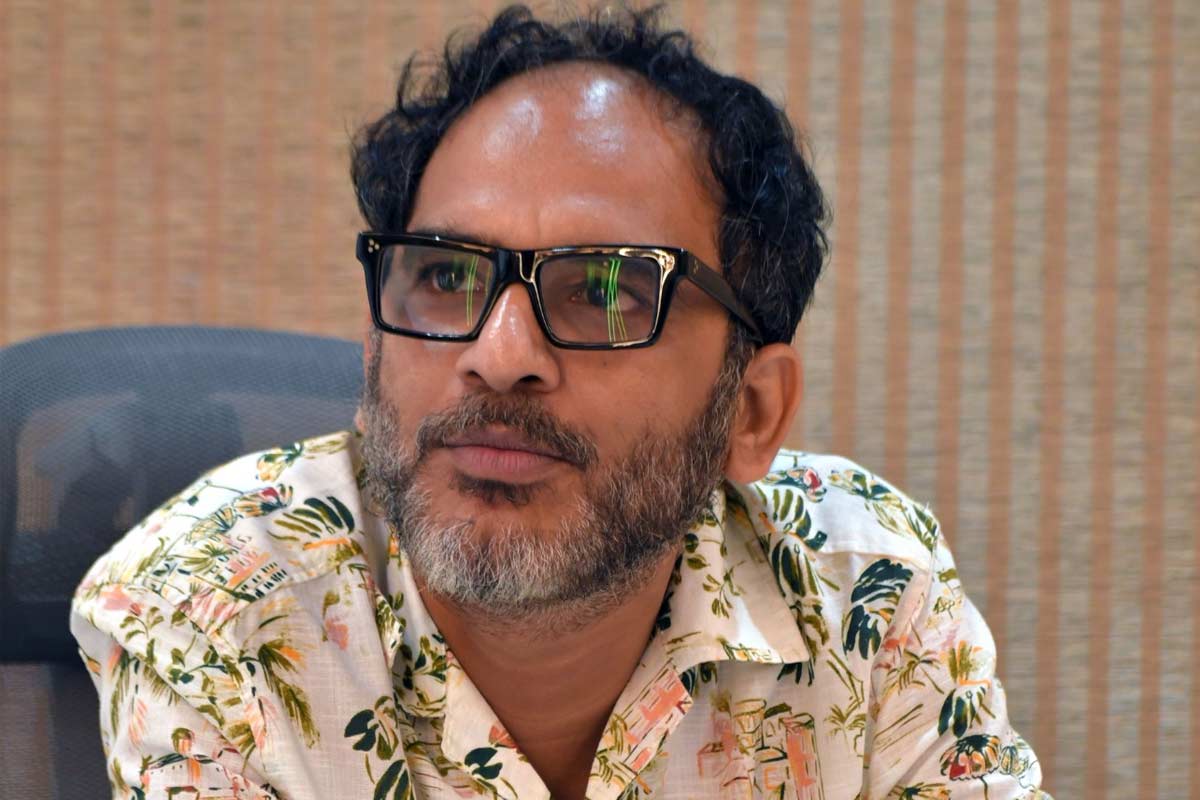
Ritwick Chakraborty, a prominent figure in West Bengal’s Tollywood industry, has drawn attention for his recent remarks on the intersection of politics and cinema, as well as his upcoming film Fera, which explores themes of family and displacement. The actor’s comments reflect broader concerns within the industry about political influence, while his new project highlights personal and societal tensions.
Ritwick Chakraborty’s New Film: A Personal Reflection
Fera, set for release on Friday, centers on the strained relationship between a father and son, a theme Chakraborty says resonates with his own experiences. “The story revolves around leaving home for work and gradually losing touch with family,” he explained. “It’s a universal struggle—everyone feels it in some form.” The film’s setting, a small town contrasted with urban life, mirrors Chakraborty’s own observations of how modernity disrupts traditional bonds. “In my family, we have six coconut trees and twelve guava trees. It’s a different kind of nature, one that’s often lost when you move to the city,” he noted. The actor emphasized that the film’s emotional core stems from his personal journey, including the challenges of balancing career and family.

Political Tensions in Tollywood: A Concern for Industry Figures
Chakraborty’s remarks on politics came amid broader discussions about the sector’s relationship with governance. “If politics controls any industry, it’s not good—it’s unnatural,” he said, echoing sentiments expressed by other industry professionals. According to Ei Samay, Chakraborty criticized the involvement of political figures in decision-making, citing examples like Rupa Gangopadhyay and Rudranil Ghosh, with whom he has collaborated. “They know that political leaders don’t run industries well,” he added. This aligns with a growing sentiment among Tollywood insiders who advocate for the industry to remain independent of political pressures.
Artist’s Stance on Political Allegiances
Another key voice in the conversation is Jayjeet Bandyopadhyay, who has publicly urged artists to avoid aligning with political factions. “Artists shouldn’t be under any political banner,” Bandyopadhyay stated, as reported by the Indian Express Bengali. His comments come amid reports of shifting loyalties in West Bengal’s political landscape, where many figures have transitioned between parties. “The people of Bengal want change, and they’ve shown it,” he said, referencing the recent political realignment. Bandyopadhyay’s remarks highlight the tension between artistic integrity and the pressures of a politically charged environment.

The Broader Implications for Tollywood
The industry’s response to political dynamics reflects deeper anxieties about its future. With the state’s political landscape undergoing significant shifts, Tollywood artists and producers are navigating a delicate balance between creative freedom and external pressures. Chakraborty’s film, while deeply personal, also serves as a metaphor for the broader struggle of maintaining authenticity in a rapidly changing society. “We all feel the distance from home, whether it’s physical or emotional,” he said. “It’s a theme that connects us all.”
As Fera prepares for release, the discussions around politics and art in Tollywood underscore the industry’s evolving role in West Bengal’s cultural and social fabric. With artists like Chakraborty and Bandyopadhyay advocating for independence from political influence, the future of Tollywood may hinge on its ability to prioritize creative expression over external agendas.
Sangbadpratidin | Ei Samay | <a Tollywood's search for authenticity and independence from political influence may ultimately depend on its ability to balance creative expression with the needs and concerns of its diverse audience.
