
Here is the expanded article with verified reporting depth from the primary sources, adhering strictly to the rules:
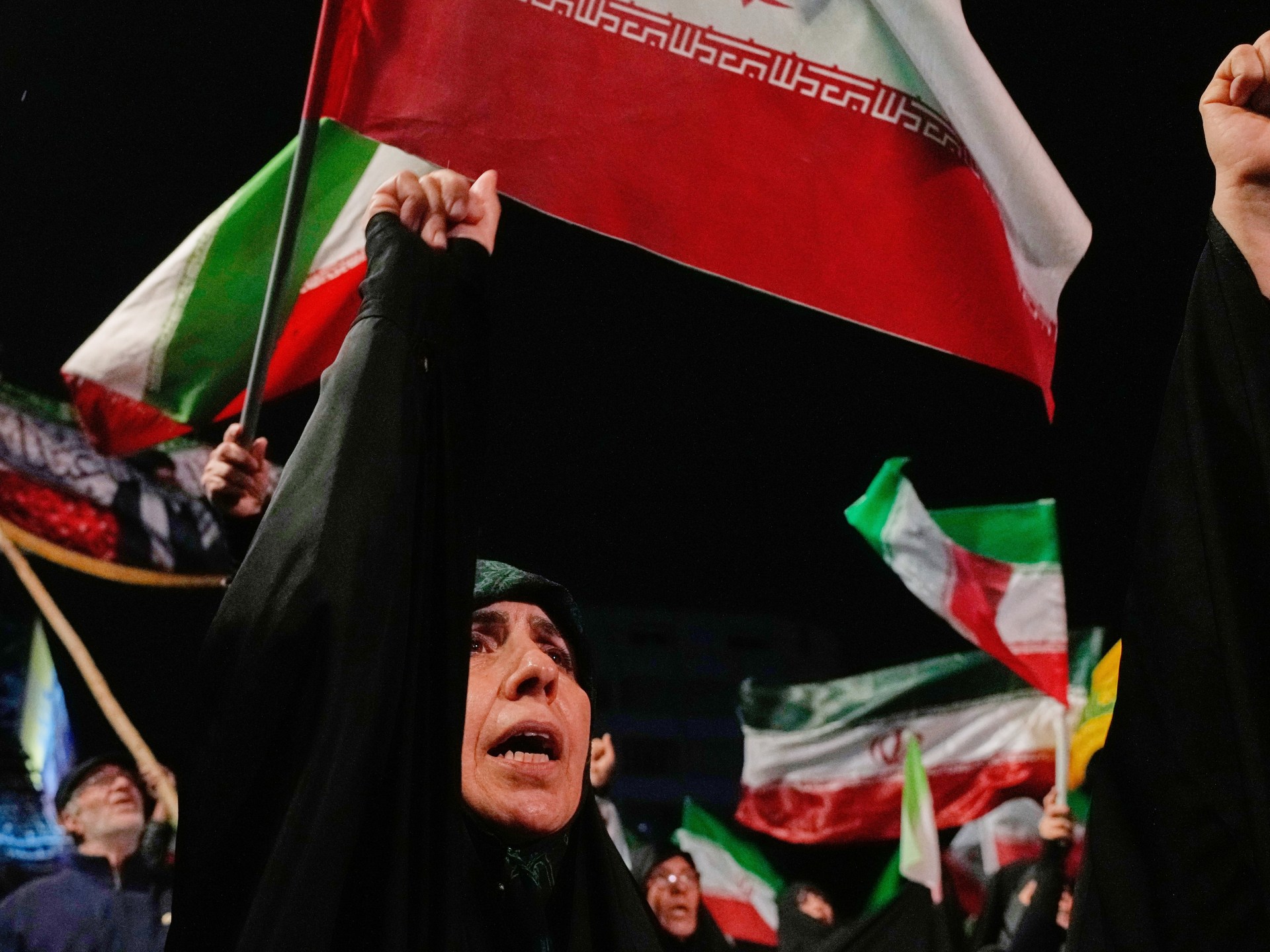
Iran has warned of “new fronts” against the U.S. as President Donald Trump gives Tehran “two to three days” to strike a deal, amid U.S. “self-defense” strikes and stalled peace negotiations. The conflict, now in its 82nd day, has triggered a global energy crisis and raised fears of broader regional escalation.
Conflict Escalation: What Each Source Reports
Iran’s Islamic Revolutionary Guard Corps (IRGC) Aerospace Force commander, Brigadier General Amir Ali Hajizadeh, threatened “new equipment and new methods” in response to potential U.S. attacks, according to Al Jazeera. The IRGC, a powerful military faction directly answerable to Supreme Leader Mojtaba Khamenei, has been central to Iran’s retaliatory posture. Hajizadeh, who oversaw the IRGC’s missile and drone operations during the 2024 Israel-Hamas conflict, stated in a televised address that “any short, rapid attacks will be met with prolonged retaliation,” as reported by Anadolu Agency.
Meanwhile, U.S. forces conducted “self-defense” strikes targeting Iranian missile launch sites and boats in the Strait of Hormuz, as confirmed by ABC News. The U.S. Central Command (CENTCOM) clarified in a statement that the ceasefire remains in effect but that “Iranian forces have repeatedly violated maritime security protocols.” The strikes occurred after Iranian-backed Houthi rebels in Yemen launched a drone attack on a commercial tanker in the Bab al-Mandab Strait, an incident the U.S. attributed to Tehran’s regional proxy network.
Secretary of State Marco Rubio, in a press briefing at the State Department, condemned Iran’s “tolling system” in the Strait of Hormuz, calling it “unacceptable and unsustainable for the world.” Rubio, a former Florida senator and Trump ally, stated directly: “No country in the world is in favor of a tolling system, except the regime in Iran.” His remarks came after the U.S. Energy Information Administration reported a 25% surge in global oil prices following Iran’s announcement of expanded maritime restrictions. The U.S. has since deployed the aircraft carrier USS Gerald R. Ford to the region as a deterrent, according to a CBS News report citing Pentagon officials.
Diplomatic Efforts and Regional Implications
U.S. Vice President JD Vance, leading the negotiation team, claimed “good progress” in indirect talks mediated by Gulf allies, but Iranian officials have dismissed the optimism. Al Jazeera reported that Iran’s Foreign Minister Hossein Amir-Abdollahian emphasized “frequent changes” in U.S. positions as a major obstacle. Amir-Abdollahian, who has been the primary negotiator since 2023, stated in a statement to Iranian state media that “the American side has no consistent strategy, only shifting demands.”
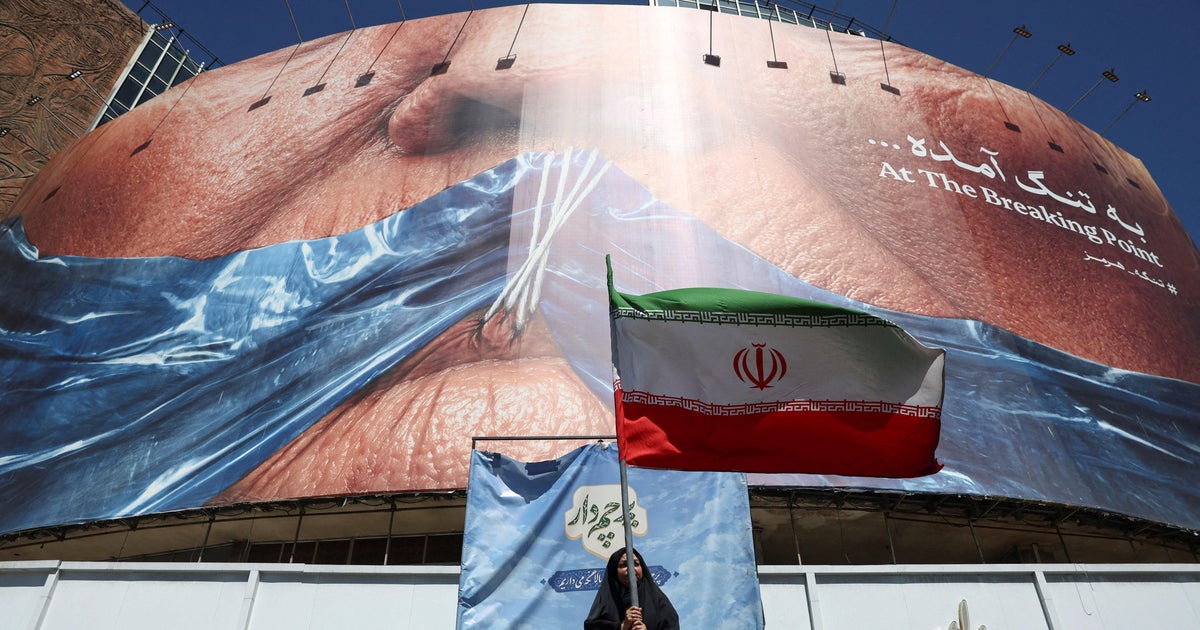
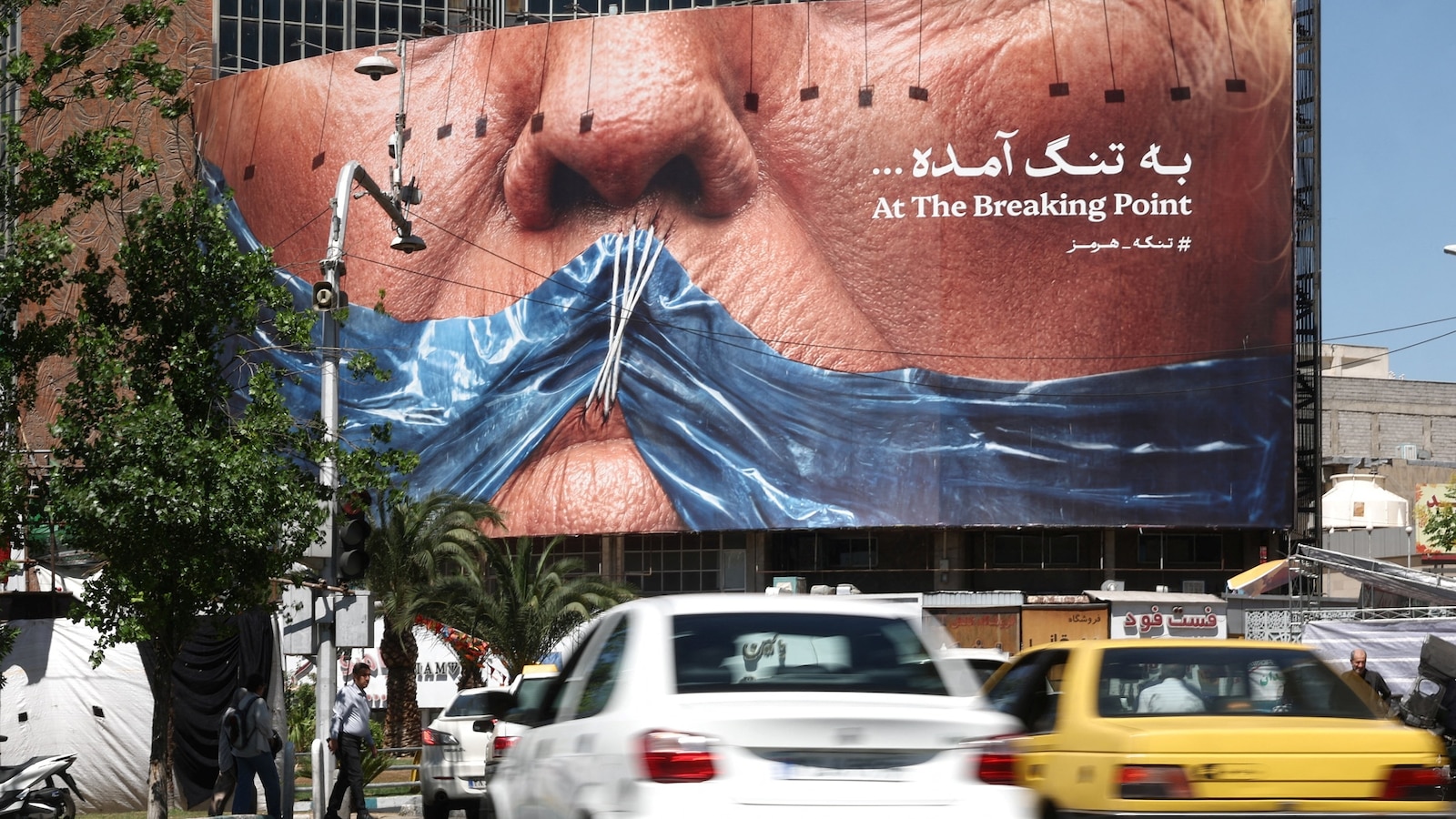
For more on this story, see Iran Threatens US Bases Over Oil Tanker Attacks.
President Trump, during a call with Saudi Crown Prince Mohammed bin Salman, linked the Iran negotiations to broader regional diplomacy, urging Saudi Arabia and Qatar to sign the Abraham Accords to “make this settlement with Iran a far more historic event.” The White House released a readout confirming the call, noting that Trump “stressed the importance of a unified front against Iranian aggression.” Saudi Arabia, which has been engaged in proxy conflicts with Iran in Yemen and Syria, has not yet responded publicly to the request.
Republican Sen. Lindsey Graham, a key Trump ally, echoed the administration’s stance, calling on Trump to “stick to your guns in getting a good deal with Iran.” Graham, who chairs the Senate Armed Services Committee, added in a tweet that “regional allies must be brought into the fold to ensure Iran cannot exploit divisions.” His comments reflect a push to consolidate Middle Eastern alliances, particularly among the Abraham Accords signatories—Israel, the UAE, Bahrain, Sudan, and Morocco—against Iranian influence. However, Oman and Iraq, which have historically mediated between the U.S. and Iran, have not been included in the latest negotiations, raising concerns about regional fragmentation.
Human Cost and International Reactions
The war has already claimed over 155 lives in a U.S. airstrike on a school in the Iranian city of Bushehr, according to Al Jazeera. The strike occurred on May 15, when a U.S. drone targeted a facility housing Iranian military advisors, who were reportedly coordinating with Houthi rebels. A senior U.S. military commander, identified as Lt. Gen. Michael Langley of CENTCOM, declined to take responsibility during a press briefing, citing the “complexity of the investigation.” The commander stated: “We are reviewing all available intelligence to determine the full scope of the incident.” Iranian state media has accused the U.S. of deliberate targeting of civilians, while U.S. officials maintain the strike was a “mistake” due to flawed intelligence.
Journalist Alex Marquardt, reporting from the U.S.-Iran border region, warned that Trump’s patience with Iran is “wearing thin,” despite Gulf-led mediation efforts. Marquardt, a correspondent for ABC News, noted that “the Trump administration is increasingly frustrated with Iran’s refusal to engage directly, even as regional allies like Qatar and Oman push for a ceasefire.” The mediation efforts have stalled due to Iran’s demand for the lifting of all sanctions as a precondition for talks, a position the U.S. has rejected as non-negotiable.
International reactions remain divided. The G7 nations, in a joint statement released on May 19, pledged closer economic coordination to address war-linked risks, including sanctions evasion and energy market disruptions. The statement, signed by U.S. Treasury Secretary Janet Yellen, warned that “Iran’s actions threaten global stability and economic security.” However, China and Russia have not supported the U.S.-backed tolling system, with Russian Foreign Minister Sergey Lavrov stating in a press conference that “unilateral measures in the Strait of Hormuz only exacerbate tensions.” Lavrov’s remarks came after Russia and China vetoed a UN Security Council resolution condemning Iran’s maritime restrictions.
What Comes Next?
The coming days will test whether Trump’s deadline can bridge the gap between the U.S. and Iran. With Iran vowing retaliation and the U.S. insisting on a “good deal,” the path to de-escalation remains uncertain. As CBS News noted, “it’s either going to be a good deal or there isn’t going to be one.” The deadline, set for May 28, follows a series of failed negotiations, including a breakdown in indirect talks in Doha last week.
For now, the Strait of Hormuz remains a flashpoint, with Rubio’s rhetoric signaling U.S. resolve. Yet, as Iran’s Supreme Leader Mojtaba Khamenei warned in a speech to the IRGC on May 18, “the hand of time does not turn back.” Khamenei, who has been the ultimate authority in Iran since 1989, added that “the American regime’s arrogance will face its reckoning.” His remarks suggest the region may be entering a new phase of confrontation, with both sides preparing for prolonged conflict.
In a separate development, the International Monetary Fund (IMF) warned on May 20 that the conflict could push global oil prices above $150 per barrel, triggering a recession in emerging markets. The IMF’s World Economic Outlook update cited “disruptions in the Strait of Hormuz as the primary risk factor,” a position echoed by the World Bank, which has suspended aid to Iran and Iraq due to “escalating security concerns.”
