
The rising costs associated with electric vehicle repairs are drawing increased scrutiny from consumers and the insurance industry. A recent case involving a Rivian R1T pickup truck highlights the potential for unexpectedly high repair bills, even from what appears to be minor damage. The incident, stemming from a parking lot collision, underscores the challenges presented by new EV construction techniques and their impact on affordability. One American entrepreneur learned this firsthand after receiving a repair estimate of $22,000 for damage initially estimated at $1,700.
What initially appears to be minor damage can quickly escalate into a substantial repair bill for some electric vehicle owners. One American entrepreneur recently experienced this firsthand.
Foto: r/Rivian
Just how much could a dent like this cost to repair?
The complexity and cost of repairing electric vehicles are increasingly coming under scrutiny, particularly when compared to traditional gasoline-powered cars. This is especially true for models utilizing large, single-piece castings and designs where the battery pack is integrated into the vehicle’s structural platform. Damage to these components can result in extraordinarily expensive replacements, a reality one American business owner recently discovered.
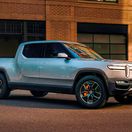 Čítajte viac Rivian R1T: Elektrický pikap predbieha Teslu. A šprintuje ako Ferrari
The issue stems from the increasing use of “megacasting” technology – also now appearing in some conventional vehicles – which, while enhancing structural integrity, significantly increases the cost of replacing damaged parts. This can lead to repair bills exceeding a vehicle’s residual value, and is a key factor driving up insurance premiums for certain EV models.
Recently, the owner of a Rivian R1T electric pickup truck found himself facing this very scenario. After a minor collision in a parking lot – a glancing impact from an employee’s vehicle that dented the right rear quarter panel – the owner filed a claim with the responsible party’s insurance provider. An initial estimate pegged the damage at around $1,700, seemingly in line with repairs for a comparable Ford F-150 pickup. However, that estimate proved to be drastically low.
Seeking a more accurate assessment, the R1T owner took the vehicle to an authorized Rivian service center, located 480 kilometers away. The service center’s estimate came as a shock: $16,000. Despite the battery itself remaining undamaged, the extensive use of large, cast components in the R1T’s construction meant the quarter panel was integrated with the cabin and even a portion of the roof.
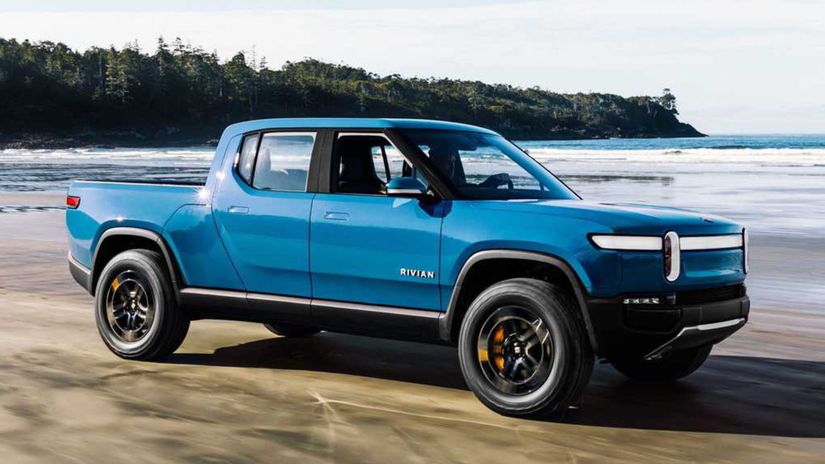 Foto: Rivian
rivian-r1t The challenge with repairing a Rivian R1T lies in its construction, which utilizes massive, single-piece components. Even a small impact can necessitate replacing nearly half of the vehicle.
The robust design contributes to the vehicle’s rigidity, but it also translates to exorbitant repair costs. The final bill, for a repair that might take three days and cost around $1,700 for a Ford F-150, ultimately reached $22,000, attributed to “additional damage” discovered during the repair process.
Unsurprisingly, the insurance company disputed the inflated cost, offering to cover only $13,000. The Rivian owner opted to pay the remaining $9,000 out of pocket to regain use of his vehicle while pursuing legal action against the insurer for full reimbursement. The insurer later agreed to an additional $5,100 settlement.
 Čítajte viac Rivian zakladá novú značku. Zameria sa na e-bajky, vraj budú lacné
After consulting with legal counsel, the owner accepted this compromise, absorbing the $3,900 loss. He has since shared his experience on social media as a cautionary tale for prospective Rivian buyers. This incident is unlikely to be isolated, and the owner recommends Rivian improve its design to facilitate more affordable repairs and establish a network of certified repair shops offering reasonable pricing. The case underscores the potential financial risks associated with owning EVs that utilize advanced manufacturing techniques.
OBJECTIVE
Create an article that reads as if it were originally reported and written in English for a U.S. and global business audience.
Include only the verified facts, company names, financial data, locations, and times that exist in the original content;
do not introduce any new data, analysis, opinions, or external information.
Your rewritten version must sound human, contextual, and newsroom-authentic while staying factual and faithful to the verified information.
