

Tensions escalated along the NATO border on April 14, 2026, as Romania scrambled fighter jets in response to Russian drone activity near the Danube River. The incident underscores the precarious security situation in the region, where military operations in Ukraine frequently spill over into neighboring airspace.
NATO Alert: Romanian Air Defense Activated
The Romanian Ministry of Defense reacted swiftly on the morning of April 14, 2026, after detecting Russian unmanned aerial vehicles (UAVs) operating close to the Ukrainian border. In a rapid response, the military deployed two F-16 fighter jets from the 86th Air Base in Fetești and placed air defense systems on the highest state of alert.
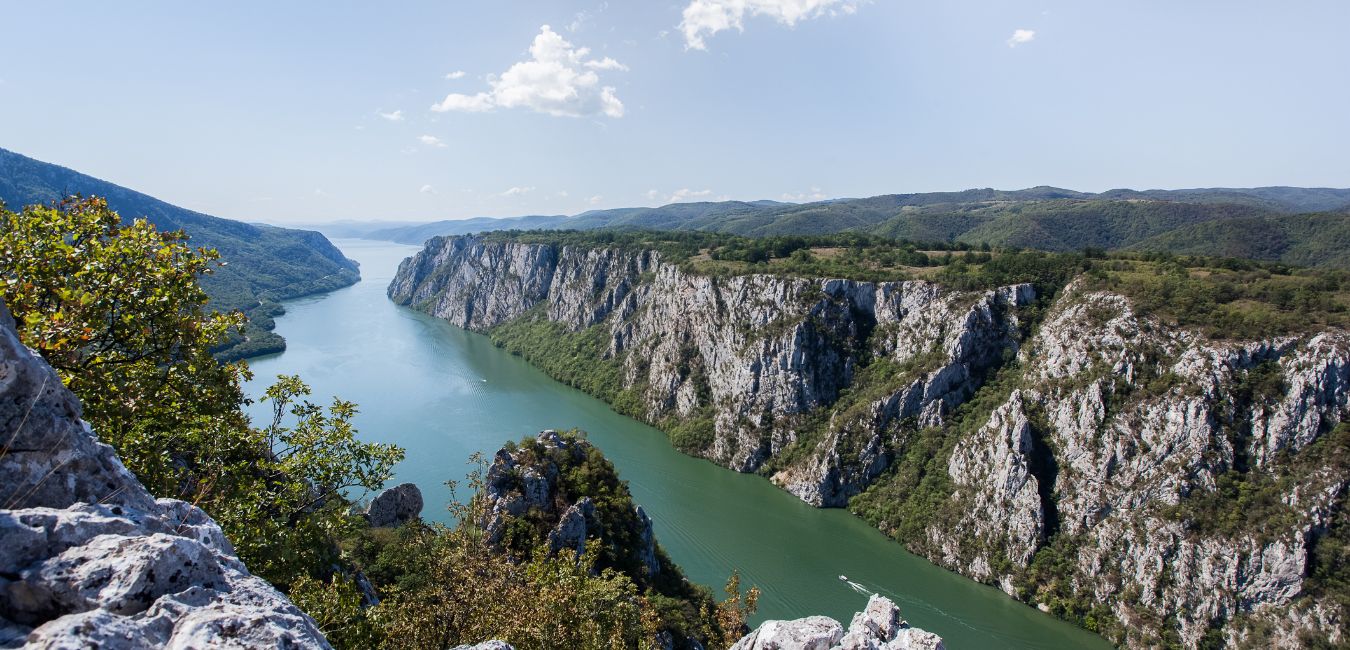
The proximity of the threat prompted local authorities to send warning SMS messages to residents in the northern part of the Tulcea district shortly before 4:00 AM. According to reports, the alert was eventually lifted at 4:45 AM. While the situation was dramatic, the Romanian army confirmed that no breach of Romanian airspace actually occurred.
Targeting the Danube Delta
The Russian strikes were aimed at the port city of Izmail, located in the Odessa region of Ukraine. Because Izmail sits only a few hundred meters from the Romanian border, the strikes triggered an immediate NATO reaction. Romanian officials noted that Russian forces have resumed attacks on civilian infrastructure near the Danube, with drones flying dangerously close to the border.
Here’s not an isolated event; Russian drones are a regular presence in the Izmail and wider Odessa regions, and debris from previous attacks has fallen in the area multiple times.
Shift in Battlefield Technology
As the conflict evolves, the role of autonomous systems is becoming central to military strategy. President Volodymyr Zelenskyy recently highlighted a significant milestone, announcing that the Ukrainian army captured a Russian position for the first time without deploying infantry, relying exclusively on drones and ground-based robotic systems.
Zelenskyy stated that “occupants surrendered and the operation took place without the deployment of infantry and without losses on our side.” He emphasized the growing importance of robots such as the Ratel, Termit, Ardal, and Rys, noting that these systems have conducted more than 22,000 missions over the last three months. According to the president, these technologies protect human lives by entering the most dangerous zones instead of soldiers.
The integration of these robotic systems is increasingly used not only for offensive operations but also for evacuating the wounded from “death zones” where human teams would be vulnerable to Russian drones. There are also increasing reports of drones and robots being used to force Russian soldiers to surrender.
