
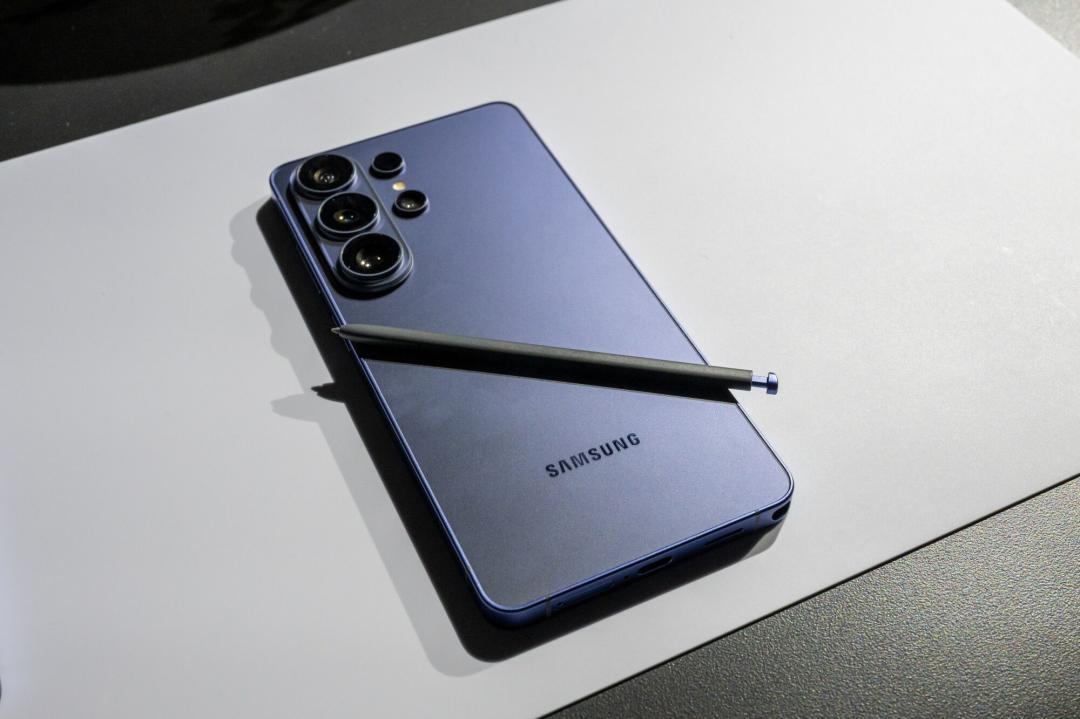
Samsung has officially acknowledged two distinct camera malfunctions affecting the Galaxy S25 Ultra, promising a series of software updates to resolve issues with the device’s “Virtual Aperture” feature and night-time image processing.
According to reports and official confirmations from the company’s community forums, users have encountered significant glitches with the Virtual Aperture functionality on the Galaxy S25 Ultra. This feature, which allows photographers to manually control background blur and depth-of-field within the Expert RAW app, was originally limited to the 200MP main sensor. While Samsung recently expanded the feature to include 3x and 5x telephoto lenses—a capability originally introduced with the S26 Ultra—users found that the resulting bokeh effects were uneven, with the 5x telephoto mode being particularly problematic.
Samsung has confirmed the bug and notified its development teams to implement a fix via the One UI 8.5 update. The company expects the stable version of this update to launch in select regions in late April 2026, with a wider global rollout anticipated for early May 2026. In a move that may disappoint long-time users, Samsung explicitly stated that the virtual aperture capabilities for 3x and 5x telephoto lenses will not be backported to the Galaxy S24 series or any older models.
Parallel to the aperture issues, a second bug has emerged regarding the device’s low-light performance. When utilizing the 200MP main camera in Night mode, some users reported the appearance of three distinct horizontal stripes or general blurriness in their photos. This specific glitch has also been observed on the Galaxy S25 Plus.
Preliminary testing suggests the issue is rooted in the image processing algorithms rather than the hardware, as the 50MP ultra-wide lens and 30-second long exposures in Professional mode do not exhibit the same patterns. In response, Samsung announced that a fix has already been developed and is being pushed to users via a software update starting the week of April 13, 2026.
These rapid software interventions highlight the ongoing complexity of managing extreme pixel densities and AI-driven image processing in the current flagship smartphone market, where software optimization is as critical as the optical hardware itself.
