
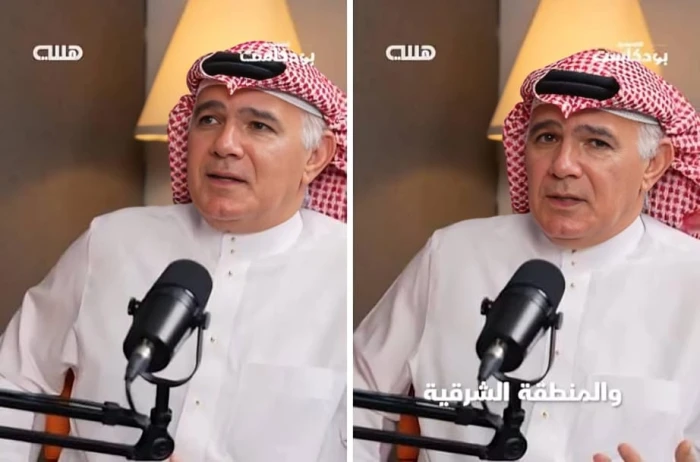
The Saudi Arabian automotive market is undergoing a significant restructuring, marked by a decrease in the number of dealerships nationwide. This shift, occurring amidst the Kingdom’s broader economic diversification goals outlined in Vision 2030, is driven by a combination of evolving investment strategies and automakers’ efforts to optimize their retail networks [[2]]. Ali Hussein Reza, a veteran of the Saudi automotive industry, offers insight into these changes and the enduring consumer demand within the region.
The Saudi Arabian automotive sector has seen a consolidation of dealerships in recent years, driven by shifting generational investment preferences and strategic decisions by manufacturers, according to Ali Hussein Reza, the first and longest-serving Mazda dealership principal in the country.
Reza explained that a key factor in the disappearance of some automotive dealerships is a change in investment priorities among younger generations. “The current generation sees better opportunities to invest their assets in sectors other than automotive dealerships,” he said during an appearance on the “Hella” podcast.
The trend isn’t solely attributable to investor behavior. Automakers themselves are streamlining their distribution networks. Reza cited General Motors as an example, noting the company once had seven dealerships across Saudi Arabia – in Jeddah, Riyadh, and the Eastern Province – but now operates with only two. This consolidation reflects a broader industry trend toward fewer, more strategically aligned dealerships.
Despite these changes, Reza emphasized the strong brand loyalty of Saudi Arabian consumers. “The Saudi consumer has a loyalty to successful products,” he stated. This suggests that while the dealership landscape is evolving, demand for established and popular vehicles remains robust.
The discontinuation of well-known vehicle models, such as the Caprice, Mercury, and Cressida, is directly linked to the manufacturers ceasing production, Reza clarified. The end of production inevitably leads to the phasing out of these vehicles in the market.
The shifts in the Saudi automotive market underscore the dynamic interplay between investment trends, manufacturer strategies, and consumer preferences, impacting the competitive landscape for both domestic and international automakers.
